
Reading Is a Workout Nobody Calls a Workout
Reading Is a Workout Nobody Calls a Workout: How Reading Improves…

Reading Is a Workout Nobody Calls a Workout: How Reading Improves…

Ancient philosophers explored the same challenges we face today — stress, uncertainty, relationships, and change. Discover how reading philosophy for just 20 minutes a day can encourage reflection, mindfulness, emotional balance, and a wiser approach to everyday life.
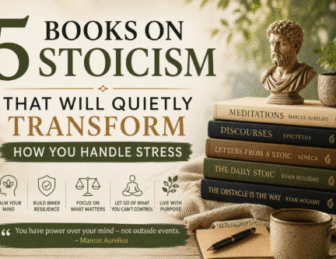
Discover five powerful Stoicism books that teach timeless lessons on resilience, self-reflection, and calm thinking. Explore wisdom from Marcus Aurelius, Seneca, Epictetus, and modern Stoic writers to build a healthier mindset for everyday challenges.

Print books, e-books, or audiobooks—what’s best for learning and memory? This wellness-focused guide explores how each format affects focus, brain health, and retention, with expert insights, practical tips, and recommended tools to help you learn better and remember more.

In the digital age, our brains get used to skimming. This weakens our attention span. Deep reading works like a workout for the mind. It strengthens focus, memory, and emotional control. Try reading a printed book. Set a 20-minute “no-phone” timer. This helps you regain deep focus.

Scrolling might feel like a quick way to unwind, but it often leaves your mind overstimulated and your stress even higher. Reading for stress relief works differently—it slows your thoughts, calms your nervous system, and helps you regain emotional balance. In this post, you’ll discover the science behind why reading is more restorative than scrolling, plus practical tips and calming book recommendations to help you build a peaceful daily habit.

Reading improves emotional intelligence by helping you recognize emotions, understand other perspectives, regulate reactions, and build empathy through stories and reflection.
Reading every day—even for just 10 minutes—can reshape your brain over time. It strengthens focus, improves memory, lowers stress, and supports emotional intelligence by training deep attention and mental clarity. With consistent practice, reading becomes a simple habit that builds a calmer, sharper mind.

To start reading again after a long break, begin with just 5 minutes a day, choose easy and enjoyable books, remove distractions, and allow yourself to stop without guilt. Consistency matters more than duration.