
Introduction
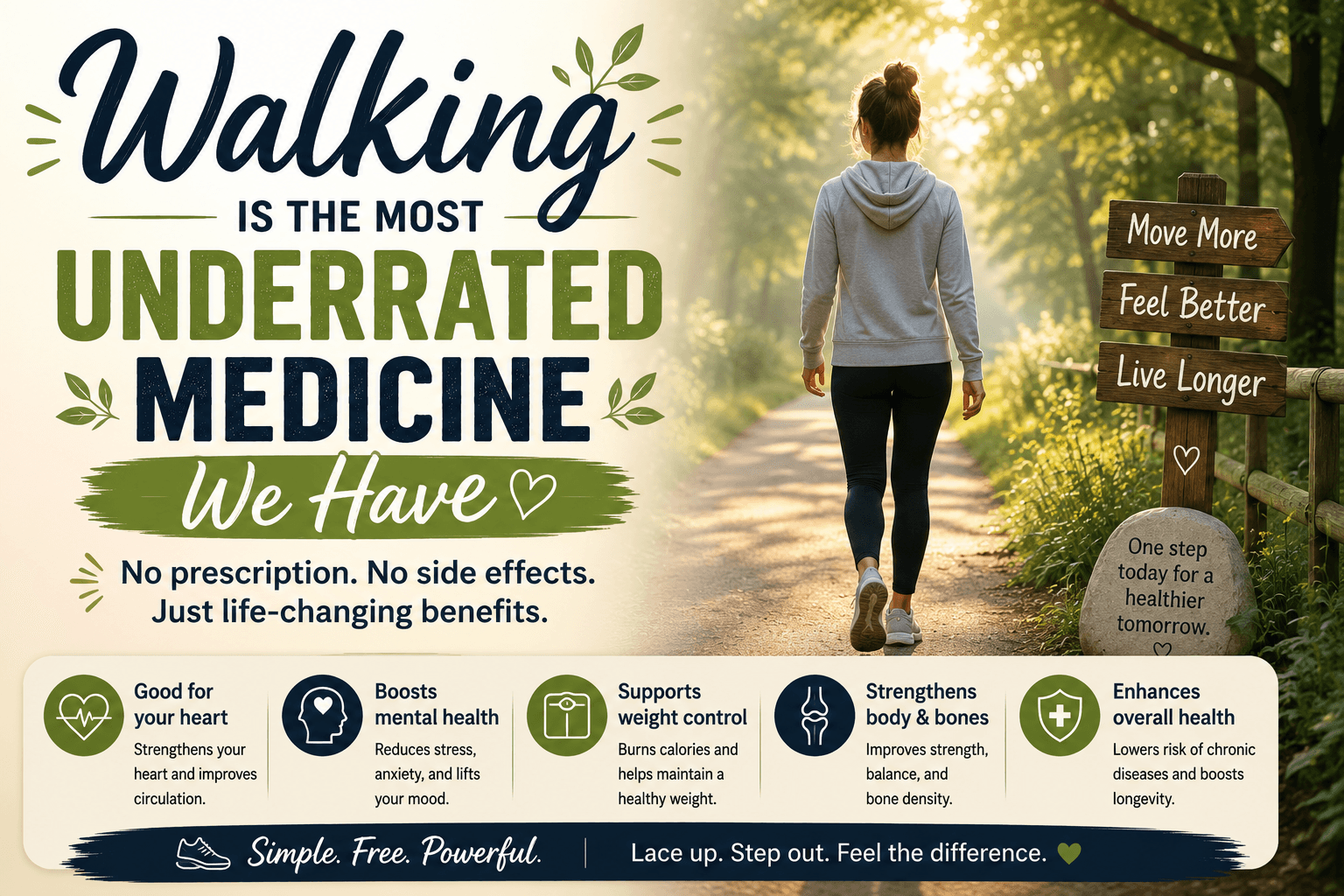
Walking is one of the simplest forms of exercise. It is often overshadowed by high-intensity workouts, gym routines, and the latest fitness trends. Many people think that if they are not running, lifting weights, or sweating in a hard workout, they are not improving their health enough. The truth is quite the opposite.
The benefits of walking every day are supported by decades of scientific research. A regular walking routine can strengthen your heart, improve blood sugar control, reduce stress, boost creativity, support healthy weight management, and even help you live longer. Best of all, walking is free, requires no special skills, and is suitable for people of almost every age and fitness level.
True wellness rarely exists in a vacuum. Walking serves as a perfect gateway habit, pairing naturally with other mindful practices. You can easily complement your steps by exploring the transformative power of yoga or practicing daily mindfulness techniques for stress relief. Together, these practices create a strong, sustainable foundation for lifelong physical and mental well-being.
Rather than chasing complicated fitness plans, consider embracing one of humanity’s oldest and most natural movements. Sometimes, the simplest habits produce the greatest results.
Why Walking Is the Most Underrated Medicine
Modern fitness culture often celebrates extreme challenges—high-intensity interval training, marathon running, heavy weightlifting, and complex workout programs. While these activities certainly have their place, they can unintentionally make everyday movement seem unimportant.
Walking deserves far more recognition than it receives.
Health experts consistently recommend regular walking because it provides remarkable benefits without placing excessive stress on the body. Unlike many forms of exercise, walking is gentle on the joints, accessible to beginners, and easy to maintain throughout life.
According to the World Health Organization’s Physical Activity Guidelines, adults should engage in regular physical activity to reduce the risk of cardiovascular disease, diabetes, certain cancers, and premature death. Walking is one of the easiest ways to meet these recommendations while fitting naturally into daily life.
Whether you walk around your neighborhood, through a local park, or simply around your workplace during breaks, every step contributes to better health.
What the Science Really Says
Scientific evidence supporting walking is both extensive and convincing.
One of the most influential studies, published in JAMA Internal Medicine, followed more than 16,000 older women to examine the relationship between daily step counts and longevity. Researchers discovered that the risk of premature death decreased significantly as participants accumulated more daily steps. The greatest improvements occurred up to approximately 7,500 steps per day, after which the health benefits continued but increased at a slower rate.
Perhaps the most encouraging finding was that walking speed mattered far less than simply walking consistently. This challenges the widespread belief that only vigorous exercise improves health.
Another large meta-analysis in The Lancet Public Health reviewed data from multiple international studies and found similar results. Individuals walking approximately 4,000 steps per day already experienced a substantially lower risk of death from any cause compared with those who were largely inactive. As step counts increased, so did the health benefits.
These findings offer an encouraging message: you do not need to be perfect to become healthier—you simply need to move more than you do today.
The Truth About the 10,000-Step Myth
For years, many people have believed that reaching 10,000 steps every day is the gold standard for good health. Fitness watches and smartphone apps often reinforce this target, leading some individuals to feel discouraged when they consistently fall short.
Surprisingly, the famous 10,000-step goal did not originate from medical research. Instead, it began as part of a Japanese pedometer marketing campaign during the 1960s. Although the target became widely accepted, modern research suggests that meaningful health improvements begin much earlier.
Studies now indicate that many adults experience significant benefits by walking between 4,000 and 7,500 steps daily, with additional improvements as activity increases.
This does not mean 10,000 steps is a bad goal. Rather, it reminds us that every step has value, and health is built through consistency rather than perfection. If you currently average only 2,500 steps each day, increasing to 4,000 represents a meaningful improvement. Likewise, someone already walking 5,000 steps can continue progressing gradually without feeling pressured to achieve an arbitrary number overnight.
Walking by the Numbers
To understand just how powerful a simple walk can be, look at what the data tells us about consistent daily movement:
| Daily Step Count / Activity | Health Benefit | Source / Evidence |
| 4,000 Steps | Associated with a significantly lower risk of premature death compared to a sedentary lifestyle. | The Lancet Public Health |
| 7,500 Steps | The point where the vast majority of longevity benefits are fully unlocked. | JAMA Internal Medicine |
| 10 to 15 Minute Walk | Dramatically improves insulin sensitivity and smooths out post-meal blood sugar spikes. | Harvard T.H. Chan School of Public Health |
| 20 to 30 Minute Walk | Immediately lowers stress hormones (cortisol) and stimulates endorphin release. | American Psychological Association |
Small, consistent actions performed every day often have the greatest long-term impact. As you continue building healthier habits, you can easily combine your walking routine with healthy eating habits and explore natural remedies for healthy living to create a highly balanced lifestyle.
How Walking Transforms Your Body From Head to Toe
Walking is far more than a simple way to stay active. Every step you take triggers a series of positive changes throughout your body, improving everything from your heart and lungs to your muscles, bones, metabolism, and immune system.
The Centers for Disease Control and Prevention (CDC) explains that regular physical activity, including brisk walking, lowers the risk of chronic diseases while improving overall quality of life. Let’s explore how walking quietly transforms your health every day.
Walking Strengthens Your Heart
Your heart is a muscle, and like every muscle in your body, it becomes stronger when exercised regularly. Walking increases your heart rate in a gentle, controlled way that improves cardiovascular fitness without overloading your system. Over time, this leads to:
Lower resting heart rate
Improved blood circulation
Better oxygen delivery throughout the body
Reduced blood pressure
According to the American Heart Association, regular walking can significantly reduce the risk of heart disease and stroke, which remain among the leading causes of death worldwide. For even greater benefits, consider combining daily walks with gentle yoga, which improves flexibility, posture, and breathing.
Walking Improves Blood Sugar Control
After eating, your blood glucose naturally rises. Walking encourages your muscles to use that glucose as fuel, helping prevent large spikes in blood sugar levels.
This makes walking especially valuable for those looking to manage prediabetes, live with type 2 diabetes, or simply maintain a healthy metabolic rate. Research highlighted by the Harvard T.H. Chan School of Public Health shows that regular movement is one of the most effective lifestyle habits for improving overall metabolic health.
Walking Supports Healthy Weight Management
Many people think weight loss requires exhausting, joint-jarring workouts. In reality, consistency matters much more than intensity. Walking burns calories, increases daily energy expenditure, and helps maintain lean muscle when combined with nutritional changes.
Practical ways walking supports a healthy weight include the following:
Increasing daily calorie expenditure naturally
Interrupting prolonged periods of sitting
Supporting healthy digestion and gut motility
Helping regulate appetite and reducing stress-related eating
Because walking is easy to recover from. You can safely do it most days of the week without overwhelming your body or causing physical burnout.
Walking Builds Stronger Bones and Healthier Joints
As we age, maintaining bone density becomes increasingly important. Walking is a weight-bearing exercise, meaning your bones work against gravity with every step. This gentle stress encourages bones to remain strong and healthy. Walking slows down age-related bone loss and improves overall balance.
Movement also stimulates the production of synovial fluid—the natural lubricant inside your joints—which helps reduce stiffness. Adding targeted, simple home exercises can further support joint mobility and prevent stiffness.
Walking Strengthens Your Immune System
Your immune system works continuously to protect your body from infections and disease. Moderate exercise, including walking, supports immune function by improving circulation. It allows immune cells to travel more efficiently throughout the body.
Walking outdoors provides the added bonus of fresh air, sunlight, and exposure to natural environments. This directly contributes to your physical and emotional resilience.
How Walking Strengthens Your Mind, Reduces Stress, and Boosts Creativity
The physical benefits of walking are well known. Its greatest strength lies in its ability to improve mental and emotional well-being. A daily walk is a powerful form of self-care. It provides an opportunity to slow down, reset, and reconnect with yourself away from screens.
When you pair walking with habits like reading to learn, it becomes an important part of lifelong mental and cognitive health.
Walking Naturally Reduces Stress
Stress elevates cortisol levels, which can lead to poor sleep, weakened immunity, and anxiety. During a brisk walk, your body releases endorphins—the brain’s natural feel-good chemicals—while actively lowering cortisol.
The American Psychological Association emphasizes that regular physical activity plays an important role in managing daily stress and improving emotional resilience. Many people notice that problems that seemed overwhelming before a walk often feel much more manageable afterward.
Walking Keeps Your Brain Healthy and Boosts Creativity
Your brain depends on healthy blood flow to receive oxygen and nutrients. Walking improves circulation throughout the body, including the brain, which supports cognitive performance, memory, and concentration.
Furthermore, researchers at Stanford University discovered that walking directly boosts creative output. Participants in their study consistently generated more creative ideas while walking than while sitting, and the creative spark continued even after the walk ended. If you are feeling mentally stuck, a 15-minute walk is often the best brainstorming tool available.
Walking Helps You Sleep Better
Quality sleep is one of the absolute foundations of good health. Regular walking helps improve sleep by:
Regulating your body’s natural circadian rhythm
Promoting physical relaxation and easing muscle tension
Reducing nighttime anxiety and racing thoughts
Myth vs. Fact: Walking Edition
Many misconceptions prevent people from appreciating the true value of walking. Let’s separate fact from fiction.
| Myth | Fact |
| Walking is too easy to improve fitness. | Walking significantly improves cardiovascular health, metabolism, and overall fitness when performed consistently. |
| You must reach 10,000 steps every day. | Research shows meaningful health benefits begin at much lower step counts, with additional benefits accumulating gradually. |
| Only running helps you lose weight. | Walking burns calories, supports fat loss, and encourages sustainable weight management without the high injury risk. |
| Short walks don’t matter. | Several short, 10-minute walks throughout the day provide identical metabolic and cardiovascular benefits to one long walk. |
| Older adults with joint pain should avoid walking. | Gentle walking stimulates joint fluid and strengthens supporting muscles, which actually reduces arthritis pain and improves mobility. |
Simple Ways to Build a Walking Habit
Building a walking routine doesn’t require major lifestyle changes. Try these practical strategies to slip more steps into your day:
Walk for 10 minutes immediately after breakfast, lunch, or dinner.
Take short walking breaks at work instead of coffee breaks.
Use stairs instead of the elevator whenever possible.
Park farther from the entrance of the grocery store.
Walk while taking phone calls or listening to an audiobook.
Invite a friend or family member to join you for a weekend park stroll.
Your 30-Day Walking Action Plan
If you’re new to regular walking, don’t worry about reaching 10,000 steps immediately. The goal is to build a habit that lasts.
Week 1: Build the Habit
Goal: Walk for 10–15 minutes each day.
Focus purely on consistency rather than speed.
Wear comfortable, supportive shoes and notice how your body feels afterward.
Week 2: Increase Your Time
Goal: Extend your walk to 20–25 minutes.
Try walking after your largest meal of the day to support blood sugar control.
Add one longer weekend walk in a nearby park or nature trail.
Week 3: Add Variety
Goal: Mix up your routes.
Include a few gentle hills if you feel comfortable.
Practice mindful walking: focus on the physical sensations of your feet hitting the ground and the sounds of your environment.
Week 4: Make It a Lifestyle
Goal: Aim for 30 minutes of walking on most days.
Celebrate your consistency rather than obsessing over the perfect step count.
Combine your routine with other healthy habits, such as [restorative yoga practices] and nutritious eating.
Essential Walking Gear for Comfort and Safety
While walking is virtually free, investing in a few basic items can dramatically improve your comfort, safety, and motivation.
Comfortable Walking Shoes: Look for shoes with good arch support, cushioned soles, and a breathable fit. Proper footwear reduces fatigue and protects your ankles and knees.
Fitness Tracker or Smartwatch: Use this to monitor your progress, but remember that the numbers are meant to encourage you, not create unnecessary pressure.
Reusable Water Bottle: Hydration is essential, especially during warmer months.
Sun Protection: Always apply sunscreen and wear a hat or UV-blocking sunglasses for daytime outdoor walks.
Reflective Safety Gear: If you walk during early mornings or late evenings, wear reflective clothing or carry a small safety light to remain visible.
Frequently Asked Questions
Is walking every day enough exercise?
Yes, for most adults. A brisk daily walk easily helps you meet recommended physical activity guidelines. To maximize your health, you can combine walking with occasional bodyweight strength training.
How many steps should I walk each day?
While 10,000 is a great goal, studies show that meaningful longevity benefits start around 4,000 steps and yield excellent health results at around 7,500 steps.
Is walking better than running?
Neither is universally “better.” Running burns more calories per minute, but walking has a much lower risk of injury, is easier on the joints, and is far easier to maintain as a lifelong, daily habit.
Key Takeaways
Walking is one of the safest, most accessible, and highly effective forms of exercise available.
Massive health and longevity benefits begin well before you hit 10,000 daily steps.
Consistency and daily movement matter far more than workout intensity.
Even a simple 10-minute walk after meals makes a measurable difference in your metabolic health.
Final Thoughts: Every Step Is an Investment in Your Future
In a world that often celebrates complex, expensive fitness routines, walking reminds us that extraordinary health can begin with an ordinary habit.
Scientific studies published by the world’s leading medical institutions consistently demonstrate that walking supports a longer, healthier, and happier life. You don’t need expensive gear, advanced training, or exceptional athletic ability. All you need is the willingness to take the first step—and then another.
Start where you are. Walk at your own pace. Stay consistent. Months from now, your body and mind will thank you.
References and Further Reading
World Health Organization (WHO) – Physical Activity Guidelines
Centers for Disease Control and Prevention (CDC) – Physical Activity Basics
American Heart Association – Walking and Heart Health
Harvard T.H. Chan School of Public Health – Physical Activity and Health
JAMA Internal Medicine – Daily Step Counts and Mortality
The Lancet Public Health – Step Counts and Health Outcomes
Stanford University – Walking Improves Creative Thinking

