
Essential Yoga Accessories for Beginners: A Practical Guide to Starting Safely
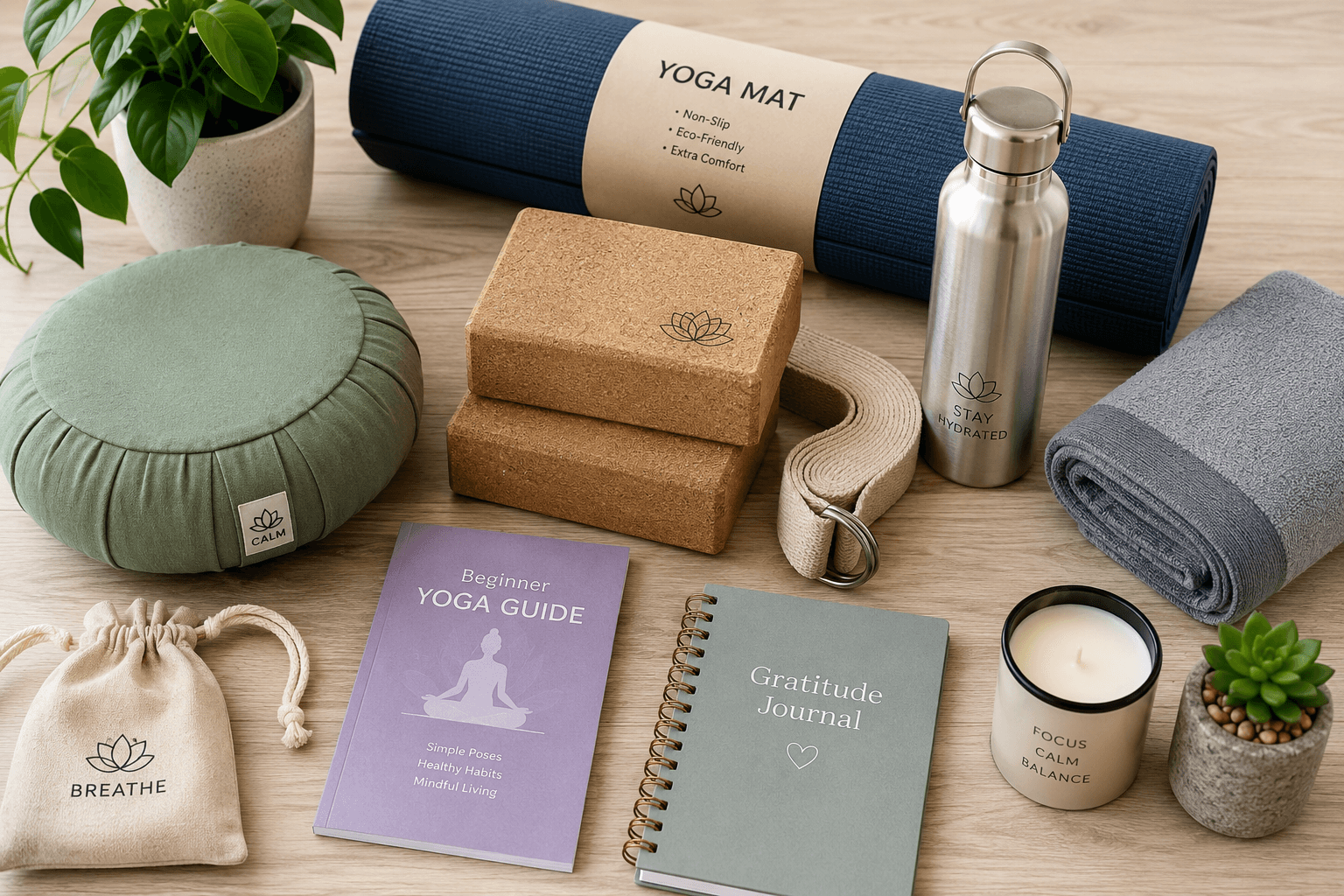
Starting yoga is exciting, but stepping into the world of yoga accessories can feel overwhelming. Walk into any fitness store or browse online, and you’ll find hundreds of products promising to transform your practice. The truth is, beginners need only a few carefully chosen essentials to build a safe, comfortable, and sustainable routine.
Yoga is a fantastic foundation for holistic movement, aligning perfectly with global health recommendations—including those from the World Health Organization (WHO)—which emphasise regular, moderate physical activity to boost both mental and physical longevity.
The right accessories help you maintain proper alignment, reduce the risk of injury, and make each session more enjoyable. More importantly, they encourage consistency—the single biggest factor in long-term wellness success.
In this guide, you’ll discover the genuine essential yoga accessories for beginners, learn why each one matters, avoid common buying mistakes, and understand how to choose quality products that fit your needs without overspending.
Why Beginners Should Invest in the Right Yoga Accessories
Yoga doesn’t require expensive equipment, but a few well-chosen accessories can significantly improve your experience.
The right tools help you:
Practice safely on different floor surfaces.
Improve balance and stability during unfamiliar poses.
Support your joints to prevent strain and soreness.
Maintain optimal hydration throughout your sessions.
Build a calming environment conducive to mindfulness.
Develop a sustainable daily habit you actually look forward to.
Instead of buying everything at once, begin with a few items and expand your collection as your practice naturally grows.
1. A Durable, Non-Slip Yoga Mat: Your Ultimate Foundation
A durable, non-slip yoga mat is the single most important investment you will make. Whether you are practicing at home or attending a local studio, your mat is your personal space for comfort, stability, and confidence.
Why It Matters
Without adequate grip, your hands and feet will slide during foundational poses like Downward-Facing Dog, Warrior II, or Plank. A quality mat improves traction, protects your knees and spine from hard floors, and allows you to focus on your form rather than your footing.
Key Features to Look For
| Feature | Why It Matters |
| Non-slip surface | Prevents hands and feet from sliding during movement. |
| 5–6 mm thickness | Cushions sensitive joints while maintaining solid balance. |
| Durable material | Lasts through years of regular daily practice. |
| Easy to clean | Supports essential hygiene and prevents odors. |
| Lightweight design | Makes it convenient for travel and commuting to classes. |
Best Materials
Natural Rubber: Offers exceptional grip and eco-friendly durability.
TPE (Thermoplastic Elastomer): Lightweight, recyclable, and highly cushioned.
Cork Surface: Naturally antimicrobial and provides excellent grip as it gets warm.
Eco-friendly Polyurethane: Known for a smooth feel and intense, non-slip traction.
Common Mistakes to Avoid
Buying the cheapest, razor-thin mat available.
Choosing pretty patterns over actual surface grip.
Ignoring mat thickness leads to sore knees and wrists.
What is the most important yoga accessory for beginners?
A durable, 5–6 mm non-slip yoga mat is the absolute priority. It provides the stability, comfort, and joint protection necessary to practice safely.
Recommended Products
2. Yoga Blocks: Build Confidence and Improve Alignment
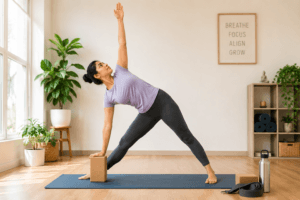
Yoga blocks make challenging poses instantly accessible. Rather than forcing flexibility and straining your muscles, blocks effectively bring the floor closer to your hands.
Great for Beginners
Blocks are incredibly versatile and especially useful for supporting your form in:
Triangle Pose (Trikonasana)
Half Moon Pose (Ardha Chandrasana)
Seated Forward Fold
Bridge Pose (placed under the sacrum)
Supported Fish Pose (for gentle chest opening)
The Benefits
Better Alignment: Keeps your spine straight instead of rounding to reach the floor.
Increased Stability: Provides a wide, firm base for balancing poses.
Gradual Progress: Allows you to slowly lower the block height as your flexibility improves.
Pro-Tip: Foam blocks are lightweight and perfect for restorative poses, while cork blocks are slightly heavier and provide superior stability for standing balances.
Recommended Products
REEHUT Cork Yoga Blocks
Clever Yoga Cork Blocks
3. A Yoga Strap: Improve Flexibility Without Overstretching
Many beginners struggle with tight hamstrings and shoulders. A yoga strap acts as a safe extension of your arms, allowing you to reach your feet or bind your hands without compromising your posture.
Practical Uses
Hamstring Stretches: Looped around the ball of the foot in reclining poses.
Shoulder Mobility: Held overhead to gently open tight chest muscles.
Seated Stretches: Assisting your reach while keeping your spine long and tall.
Remember, yoga is about steady, mindful improvement—not forcing yourself to touch your toes on day one. A strap ensures you honor your body’s current limits.
Recommended Products
Tumaz Yoga Strap
Gaiam Yoga Strap
Hugger Mugger Cotton Strap
4. A Reusable Stainless-Steel Water Bottle for Healthy Hydration
Hydration directly impacts your flexibility, muscle recovery, and overall well-being. A reusable stainless-steel water bottle helps you maintain a healthy hydration habit while keeping single-use plastic waste out of landfills.
Why Choose Stainless Steel?
Keeps water crisp and cold for hours.
BPA-free and entirely non-toxic.
Durable enough to handle being tossed into a gym bag.
Extremely easy to clean.
Smart Hydration Tips
According to health guidelines from the Centers for Disease Control and Prevention (CDC), proper daily hydration regulates body temperature, lubricates joints, and prevents the mild dehydration that causes brain fog and fatigue.
Drink water 30 minutes before your practice begins.
Take small sips after class rather than chugging large gulps during intensive, active poses.
Increase your intake if you are practicing hot yoga or exercising outdoors.
Recommended Products
Hydro Flask Water Bottle
Iron Flask Stainless Steel Bottle
Simple Modern Summit Bottle
5. A Meditation Cushion or a Simple Gratitude Journal
True yoga extends far beyond physical postures (asanas). Incorporating a brief mindfulness practice at the end of your session helps cultivate mental clarity, emotional resilience, and lasting stress relief.
The Meditation Cushion
Sitting directly on a hard floor can cause your lower back to round and your legs to fall asleep. A dedicated cushion tilts your pelvis forward, aligning your spine naturally.
Benefits: Better posture, reduced lower-back strain, and deeper, more comfortable breathing.
Recommended: Florensi Meditation Cushion, Retrospec Meditation Cushion
The Gratitude Journal
Taking just three to five minutes after your final relaxation (Savasana) to write down three positive moments can reframe your mindset.
Benefits: Lowers cortisol levels, increases mindfulness, and builds positive daily habits.
Recommended: Clever Fox Gratitude Journal, Intelligent Change: The Five-Minute Journal
6. Bonus: Lifestyle Accessories That Support Your Practice
Once your basic routine is established, you can introduce a few complementary lifestyle items to enhance your overall movement journey.
Supportive Walking Shoes
While yoga is always practiced barefoot, your lifestyle before and after class matters. Incorporating a mindful walk or brisk outdoor warm-up complements your yoga practice beautifully. Investing in walking shoes with good arch support, breathable materials, and proper cushioning promotes active recovery, improves cardiovascular circulation, and keeps your joints happy throughout the day.
Small Comfort Extras
Yoga Towel: Placed over your mat to absorb sweat during intense or warm sessions.
Mat Cleaning Spray: A quick lavender or tea tree mist to keep your mat hygienic.
Eye Pillow: Weighted with flaxseed or lavender for deep relaxation during Savasana.
How to Build Your Beginner Yoga Kit Without Overspending
You don’t need a premium, top-tier setup on day one. To build a budget-friendly, high-value kit, focus on these priorities:
Durable non-slip mat (Spend the bulk of your budget here for safety).
One or two yoga blocks (Affordable foam blocks work perfectly).
A simple cotton strap (A highly affordable tool that lasts a lifetime).
A quality water bottle & journal (Items you likely already own or can use daily).
Consistent practice always matters more than expensive gear. As your journey develops, you can add premium accessories based on your personal preferences rather than marketing trends.
Simple Daily Beginner Routine
Small daily habits produce far greater long-term health benefits than occasional, intense workouts. Here is a simple framework to get you started:
| Time of Day | Activity | Duration | Goal |
| Morning | Hydration & Gentle Breathing | 5 minutes | Wake up the mind and lungs |
| Morning | Beginner Yoga Practice | 20 minutes | Build strength, flexibility, and alignment |
| Afternoon | Mindful Walking | 10 minutes | Active recovery and joint mobility |
| Evening | Stretching & Gratitude Journaling | 5 minutes | Lower stress and wind down for deep sleep |
Frequently Asked Questions
What yoga accessories should beginners buy first?
Start with a durable, non-slip yoga mat. If you want a complete starter kit, add a single foam yoga block, a cotton strap, and a reusable water bottle.
Are expensive yoga accessories worth it?
Not always. While it is worth spending a little extra on a high-quality mat that won’t slide, basic accessories like blocks and straps from reputable, mid-tier brands offer incredible value without the premium price tag.
Can I practice yoga without any accessories?
Yes, you absolutely can. However, basic accessories like mats and blocks dramatically improve safety, prevent joint pain, and help you learn proper structural alignment from day one.
How thick should a beginner yoga mat be?
A mat between 5 mm and 6 mm is ideal. It provides the perfect balance of comfortable joint cushioning without being so thick that it makes balancing difficult.
Should beginners use yoga blocks?
Yes! Yoga blocks are not a sign of weakness; they are a tool for smart alignment. Even advanced practitioners use blocks to deepen poses and maintain proper posture.
Conclusion
Starting yoga doesn’t require a room full of expensive equipment. The best approach is to begin with a few thoughtfully selected accessories that support your comfort, safety, and consistency. A durable mat creates your foundation, simple tools like blocks and straps make the physical practice accessible, and hydration and mindfulness tools protect your well-being off the mat.
Progress in yoga comes from showing up regularly, not from collecting gear. Choose quality over quantity, focus on building a sustainable daily routine, and enjoy each step of your yoga journey. Every session is an opportunity to strengthen your body, calm your mind, and develop lifelong healthy habits.
About the Author
Jesu Raj is the founder of BenVitalFive, a wellness platform dedicated to helping people build healthier lives through the five pillars of well-being: yoga, meditation, physical activity, reading, and nutritious eating. Drawing on decades of experience working with rural communities and studying natural, healthy lifestyles, he shares practical, evidence-informed guidance that empowers readers to develop sustainable daily habits. His mission is to make wellness simple, accessible, and achievable for everyone.

