
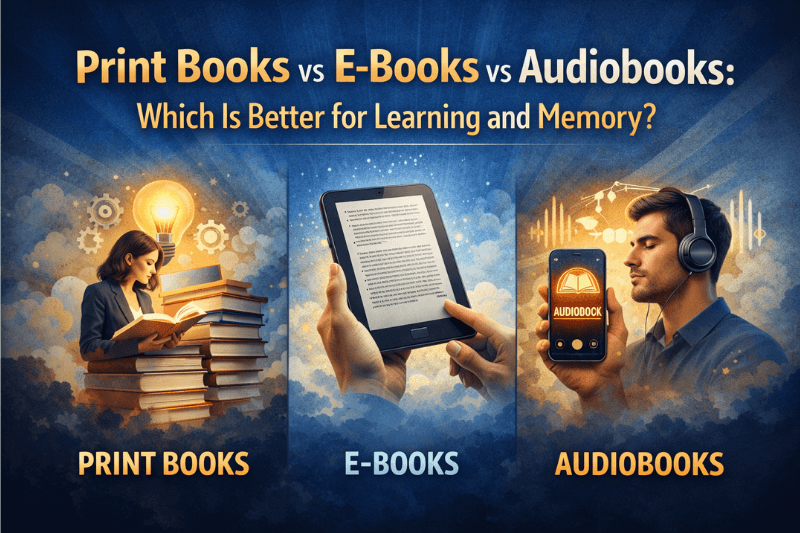
Print Books vs. E-Books vs. Audiobooks: Which Is Better for Learning and Memory?
 |  |  |
A holistic, science-backed guide for your wellness learning journey.
Disclosure:
This post contains affiliate links. If you purchase through these links, we may earn a small commission at no extra cost to you. This helps support our wellness mission and allows us to continue creating valuable content.
Introduction: Learning Is a Wellness Practice
In a true wellness journey, learning is not just mental—it’s neurological, emotional, and even physical. The way you consume information affects:
- Stress levels
- Attention span
- Memory retention
- Cognitive longevity
So when people ask:
“Is it better to read print books, e-books, or audiobooks?”
The real question is, which format supports a healthier, more sustainable mind?
Each format has its advantages, and the best choice often depends on how and why you are learning. This article breaks down the differences in a simple, practical way to help beginners choose the right format.
Let’s explore this through science, lived experience, and practical wellness habits.
Learning Is Part of Mental Wellness
In any true wellness journey, learning isn’t just intellectual—it’s neurological and emotional. The format you choose affects:
- Focus and calmness
- Memory retention
- Mental fatigue
- Long-term brain health
So the real question is not which format is best, but:
Which format supports sustainable learning without exhausting your mind?
Let’s explore print books, e-books, and audiobooks—through science, real experience, and mindful living.
From a wellness perspective, overstimulated digital habits weaken deep focus, while intentional reading strengthens neural pathways linked to memory and clarity.
According to insights shared by the American Psychological Association, deep reading activates regions of the brain responsible for comprehension, empathy, and critical thinking.
Print Books: The Gold Standard for Deep Learning & Memory
Print books offer a low-stimulation, high-retention experience—something modern brains desperately need.
Why Print Books Work So Well
- No notifications or blue light
- Strong spatial memory cues
- Encourages slower, mindful reading
- Reduces cognitive overload
Wellness-based insight:
While working with rural communities in Tamil Nadu, printed learning guides consistently led to better long-term recall compared to phone-based reading. The physical act of reading grounded learners—much like mindful breathing anchors the body.
Best Print Book Accessories
Recommended for your wellness setup: Ideal for deep learning & wellness reading:
- Reading lamps with warm light
- Books stand for posture health
- High-quality notebooks for reflection
Best for:
Students, deep learners, spiritual reading, health education, and exam preparation.
E-Books: Flexible Learning for Modern Lifestyles
E-books are powerful—but only when used intentionally.
Best Devices for Reading & Learning
- Dedicated e-readers (not phones)
- Blue-light filters/night mode devices
- Digital note-sync tools
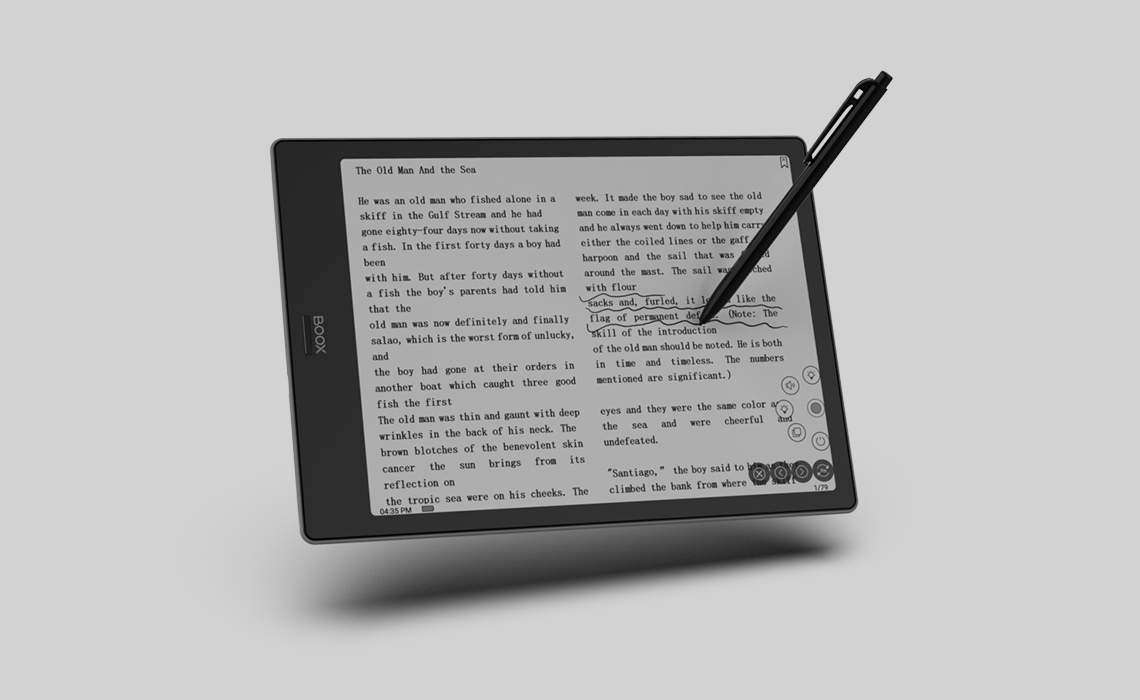
Dedicated e-readers are far better than phones for learning—they reduce distraction and eye strain, offering a calm, paper-like experience.
| Amazon Kindle Paperwhite
| Amazon Kindle 11th Generation eBook reader |
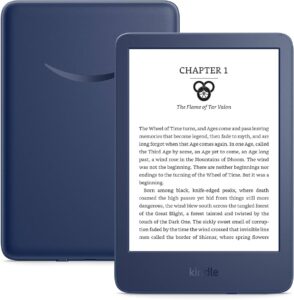
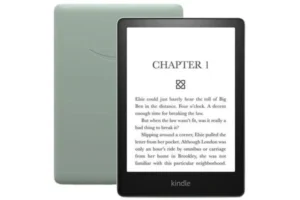
Amazon Kindle Paperwhite—A top-rated e-reader with a glare-free 7″ display and long battery life — great for deep learning sessions.
The Amazon Kindle 11th Generation eBook reader is an excellent all-around choice if you want reliable performance and comfort for everyday reading.
Why it matters: Kindle Paperwhite and similar devices remove digital noise, letting your brain focus purely on content—not notifications or ads.
Wellness caution:
Reading e-books on phones increases dopamine-driven distraction, reducing comprehension and increasing mental fatigue.
Personal practice:
I treat e-books as support tools, not primary learning sources—ideal for revisiting key ideas during travel or quiet evenings.
Best for:
Busy professionals, travellers, and light study sessions.
Audiobooks: Learning While Living
Audiobooks allow learning during movement—walking, commuting, or resting.
When Audiobooks Shine
- Storytelling and biographies
- Language exposure
- Motivation and mindset learning
- Gentle learning during physical activity
Research-backed insight:
Findings referenced by the National Institutes of Health show that listening improves familiarity—but memory retention increases when paired with reflection or note-taking.
Best Audiobook Gear
- Noise-canceling headphones
- Audiobook subscriptions with speed control
- Bluetooth speakers for relaxed listening
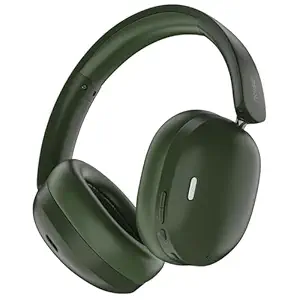
Good headphones create a distraction-free learning environment, perfect for audio-based study sessions.
| JBL Tune 770NC | Noise Airwave Max XR Wireless Headphones |
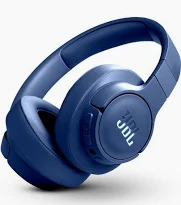 |  |
JBL Tune 770NC—Balanced ANC performance, long battery life—excellent for audiobooks and focused listening.
Noise Airwave Max XR Wireless Headphones—a budget-friendly option with great sound and comfort.
Tip: Pair with Audible or your preferred audiobook service to learn while walking, cooking, or commuting.
Best for:
Busy lifestyles, walking meditation, habit stacking.
Reading Accessories — For Print Book Lovers
Small tools can make print reading cozy and sustainable.
| Clip-On Flexible Light Book Lamp for Little Ones Reading | FLYNGO Glass Book Lamp |
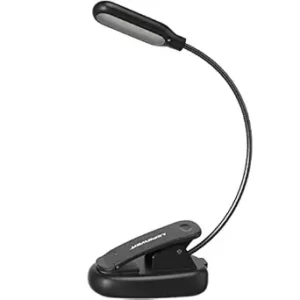 | 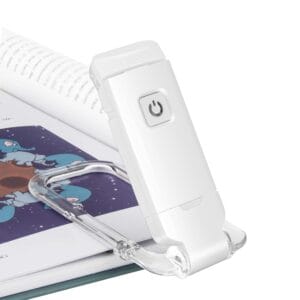 |
Clip-On Flexible Light Book Lamp for Little Ones Reading—Affordable clip-on light for night reading.
FLYNGO Glass Book Lamp—Stylish lamp for your reading nook.
Wellness hack: Proper lighting reduces eye strain and improves reading comfort—a key wellness factor during long study periods.
Print vs E-Books vs Audiobooks: Quick Comparison
| Format | Memory Retention | Brain Load | Best Use |
| Print Books | High | Low | Deep study, exams |
| E-Books | Medium–High | Medium | Revision, portability |
| Audiobooks | Medium | Low | Motivation, storytelling |
Print books provide the strongest memory retention, e-books offer flexibility, and audiobooks support passive learning during daily activities.
The Wellness Learner’s Strategy: Combine All Three
Holistic learners don’t choose—they cycle formats.
A Simple 3-Step System
- Read in print for deep understanding
- Review digitally using e-books
- Reinforce through audio during movement
This mirrors ancient oral traditions combined with modern tools—wisdom meets neuroscience.
Best Use Cases for Your Wellness Journey
Print Books
Deep focus, reflection, and long-term memory improvement.
Pro tip: Use print for philosophical, spiritual, or technical books and pair with journaling.
E-Books
Daily reading, repeat revision, portable studies.
Pro tip: Use Kindle for revisiting highlighted passages and vocabulary growth.
Audiobooks
Perfect for multitasking learning—walking, chores, or commute.
Pro tip: Listen at normal speed (1.0–1.25×) for best retention
Hybrid Learning System — Highest Retention
The most effective learners blend formats:
Read in print for deep understanding
Review digitally with Kindle
Reinforce via audio through headphones
This multi-sensory engagement strengthens memory and cognitive integration.
Actionable Wellness-Based Recommendations
- Use print books for complex or spiritual topics
- Limit e-book reading to distraction-free environments
- Listen to audiobooks at 1.0–1.25x speed
- Journal key insights after each session
- Revisit material within 48 hours using a different format
FAQs (Featured Snippet Optimized)
Which book format is best for memory retention?
Print books are best for memory retention because they promote focused, distraction-free reading and stronger spatial memory cues.
Are e-books unhealthy for learning?
E-books are not unhealthy, but excessive screen use can reduce focus and increase mental fatigue.
Can audiobooks replace reading?
Audiobooks support learning but are most effective when combined with reading or reflection.
What is the best format for a busy wellness lifestyle?
Audiobooks are ideal for busy people as they allow learning during walking, commuting, or exercising.
Trusted References
- Harvard University – Learning and cognition
- American Psychological Association – Reading and comprehension\National Institutes of Health – Auditory learning research
Author Bio
Jesu Raj Athisayam is the founder of BenVitalFive. With a background in Sociology from Mysore University and over a decade of experience working with rural communities in Tamil Nadu, he specializes in merging ancient natural wisdom with modern wellness habits. His work focuses on sustainable learning, brain health, and human-centered growth.

