
Table of Contents
Toggle“International Yoga Day 2026: 21 June”
Table of Contents
Introduction
What Is International Yoga Day?
The Ancient Origins of Yoga
The History of International Yoga Day
Why Is International Yoga Day Celebrated on June 21?
Why International Yoga Day Matters Today
Benefits of Yoga for Physical and Mental Health
Yoga and Holistic Wellness
Yoga for Beginners
How to Celebrate International Yoga Day 2026
Frequently Asked Questions
Conclusion
Introduction
Every year on June 21, millions of people worldwide gather to celebrate International Yoga Day. This is a global initiative to promote health that has grown into one of the world’s largest wellness movements, inspiring people of every age and background to experience the transformative power of yoga.
For some, yoga is a way to improve flexibility and physical fitness. For others, it is a practice that calms the mind, reduces stress, and creates inner balance. Many people discover that yoga becomes much more than an exercise routine—it evolves into a healthier way of living.
Today’s world presents challenges that previous generations rarely faced. Long hours at computers, excessive screen time, sedentary lifestyles, poor posture, unhealthy eating habits, and constant digital distractions can gradually affect both physical and mental health. It is easy to become overwhelmed by the pace of modern life.
Yoga offers a refreshing alternative.
Rather than asking us to do more, yoga teaches us to slow down. It encourages mindful movement instead of hurried exercise, conscious breathing instead of shallow breaths, and self-awareness instead of constant distraction. These simple practices help us reconnect with our bodies, quiet our minds, and develop healthier daily habits.
One of the greatest strengths of yoga is that it welcomes everyone. You do not need exceptional flexibility, expensive equipment, or years of experience to begin. Whether you are a student, a busy professional, a parent, or a retiree, yoga can be adapted to suit your individual needs and abilities.
At BenVitalFive, we believe that true wellness is built through five interconnected pillars:
Yoga
Meditation
Physical exercise
Lifelong learning through reading
Healthy nutrition
Together, these pillars support a balanced lifestyle that nurtures the body, sharpens the mind, and strengthens emotional well-being. Yoga serves as the foundation because it naturally connects movement, breathing, mindfulness, and self-discipline.
If you are just beginning your yoga journey, our Morning Yoga Routine for Beginners provides a simple way to build confidence with easy-to-follow poses and breathing exercises. Establishing a consistent morning practice is often the first step toward lasting wellness.
This comprehensive guide explores the history of International Yoga Day, explains why millions of people celebrate it every year, examines the science-backed benefits of yoga, and shares practical tips for making yoga part of your everyday life.
Whether you practice for ten minutes or an hour, every mindful breath and every gentle stretch is a step toward better health.
What Is International Yoga Day?
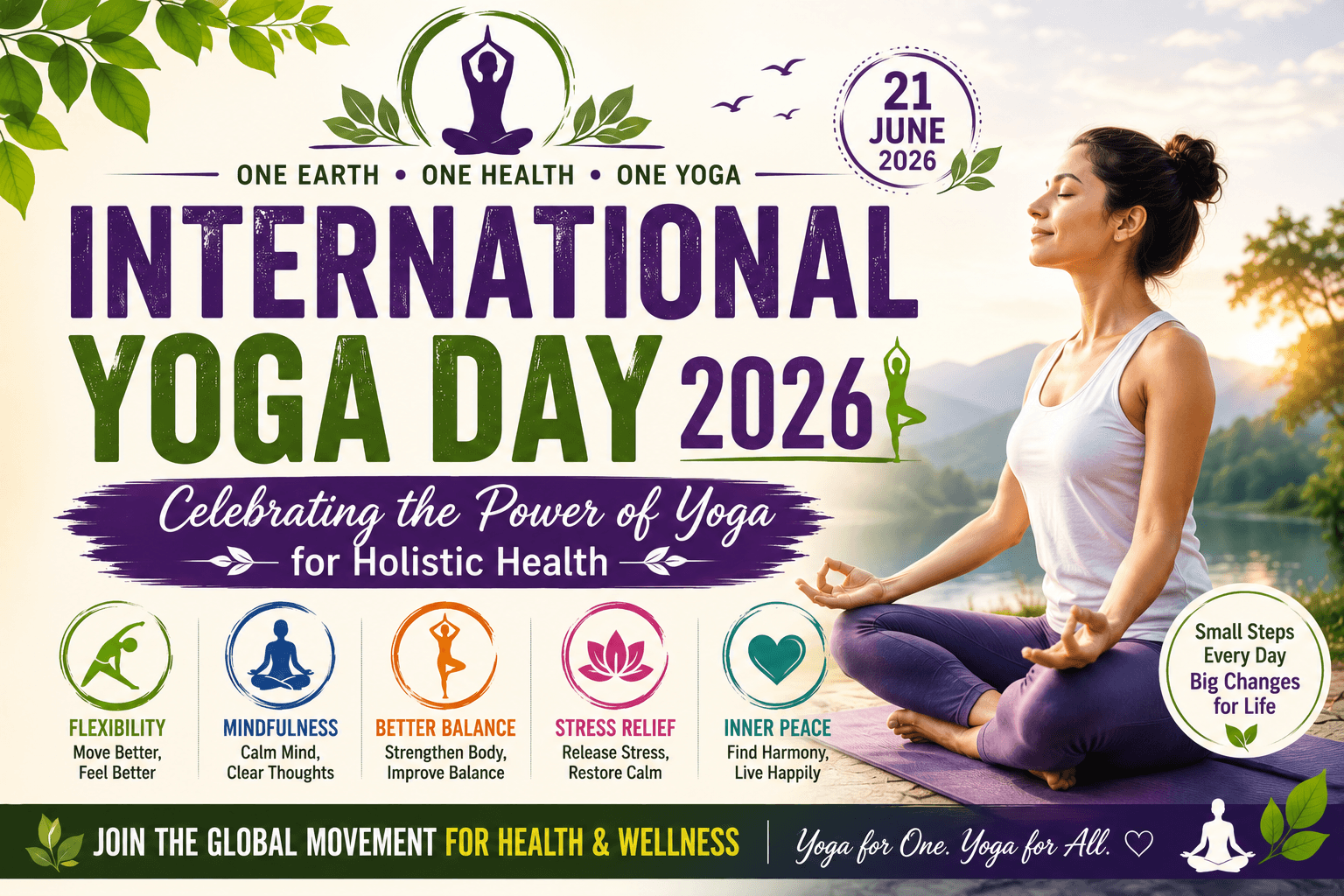
International Yoga Day, officially known as the International Day of Yoga, is observed every year on June 21 to raise awareness about the many benefits of yoga and encourage healthier lifestyles across the globe.
Unlike many fitness activities that focus only on physical performance, yoga takes a holistic approach to health. It combines physical postures (asanas), breathing techniques (pranayama), meditation, and mindfulness to support overall well-being.
Today, International Yoga Day is celebrated in more than 180 countries through activities such as
Community yoga sessions
Guided meditation programs
Wellness workshops
School and university events
Workplace wellness initiatives
Online yoga classes
Public awareness campaigns promoting healthy living
The celebration reflects a simple but powerful message: good health begins with consistent daily habits rather than quick fixes.
Yoga is practiced by people of different cultures, religions, and backgrounds because its benefits are universal. Whether your goal is improving flexibility, reducing stress, strengthening your body, or finding greater peace of mind, yoga offers a path that can be adapted to your individual journey.
The Ancient Origins of Yoga
Yoga is one of the world’s oldest systems of holistic health, with roots stretching back thousands of years in India. The word “Yoga” comes from the Sanskrit word “Yuj,” meaning “to unite” or “to join.” This reflects yoga’s central purpose: creating harmony between the body, mind, and spirit.
Ancient yogic traditions viewed health as a balance of physical vitality, mental clarity, emotional stability, and ethical living. Rather than focusing only on exercise, yoga encouraged a complete way of life that included self-discipline, compassion, mindful breathing, meditation, and personal growth.
Over the centuries, yoga evolved into many different styles, ranging from gentle restorative practices to more physically demanding forms. Despite these variations, the core philosophy remains unchanged: cultivating awareness, balance, and inner peace.
Today, millions of people practice yoga not only for fitness but also as a way to manage stress, improve concentration, sleep better, and develop healthier daily habits.
The History of International Yoga Day
The growing global popularity of yoga inspired international recognition of its contribution to public health and well-being.
In 2014, India proposed the establishment of an international day dedicated to yoga at the United Nations. The proposal received broad support from countries around the world, reflecting a shared understanding that preventive health practices and healthy lifestyles are essential for improving global well-being.
Later that year, the United Nations General Assembly officially proclaimed June 21 as the International Day of Yoga.
The first celebration took place in 2015, with millions of people participating in yoga events across cities, villages, schools, workplaces, and public spaces. Since then, International Yoga Day has continued to grow into one of the largest global wellness observances, bringing together people regardless of age, nationality, or cultural background.
Each year, governments, healthcare organizations, educational institutions, yoga schools, and community groups organize activities that encourage people to discover the physical, mental, and emotional benefits of yoga.
The official United Nations International Day of Yoga initiative also emphasizes yoga’s role in promoting healthier lifestyles, sustainable well-being, and greater global harmony.
Why Is International Yoga Day Celebrated on June 21?
The date June 21 was chosen for both practical and symbolic reasons.
Astronomically, it is the summer solstice in the Northern Hemisphere, making it the longest day of the year. Across many cultures, this day symbolizes light, energy, renewal, and new beginnings.
In traditional yogic philosophy, this period is also considered significant because it represents transformation and the pursuit of higher awareness. While these traditions have deep historical roots, the modern celebration of International Yoga Day focuses on encouraging healthier lifestyles, preventive healthcare, and global well-being.
The timing also serves as a reminder that wellness is not achieved through occasional efforts but through small, consistent actions practiced every day.
Whether it is taking a mindful walk, preparing a nutritious meal, spending a few minutes meditating, or practicing yoga before breakfast, these daily choices accumulate over time and contribute to lifelong health.
Our article on Healthy Morning Habits for a Productive Day explores how simple morning routines can complement your yoga practice and help create a balanced start to every day.
Why International Yoga Day Matters Today
The importance of International Yoga Day continues to grow as modern lifestyles become increasingly sedentary and stressful.
Many people spend most of their day sitting in front of computers or looking at mobile phones. Physical inactivity, poor posture, inadequate sleep, and constant exposure to digital information can gradually affect both physical and mental health.
Yoga offers a practical solution that requires very little equipment and can be practiced almost anywhere.
Research summarized by the National Center for Complementary and Integrative Health suggests that regular yoga practice may support flexibility, balance, strength, stress management, and overall quality of life. Likewise, the World Health Organization encourages regular physical activity as an essential part of preventing many chronic health conditions and improving overall well-being.
Beyond the scientific evidence, yoga encourages us to become more aware of how we move, breathe, eat, think, and interact with others. It reminds us that health is not simply the absence of illness but the presence of balance, resilience, and mindful living.
As you continue reading, you’ll discover how yoga can strengthen the body, calm the mind, and become a lifelong companion on your journey toward holistic health.
Benefits of Yoga
Yoga has earned worldwide recognition because it supports the entire human system without requiring expensive equipment or intensive training. Rather than treating the body and mind as separate entities, regular practice creates a bridge between them, unlocking a wide range of science-backed benefits.
1. Physical Vitality and Structural Health
Unlike high-impact workouts that can strain the body, yoga builds functional physical fitness gently and sustainably.
Improves Flexibility & Mobility: Tight muscles and stiff joints are common in our sedentary culture. Regular stretching gradually increases the range of motion in muscles and joints, making everyday movements—like bending, lifting, or climbing stairs—more comfortable.
Builds Functional Strength: Many poses require you to support your own body weight. This develops balanced strength across the arms, legs, core, back, and shoulders, improving overall body control.
Supports Better Posture: Prolonged computer and smartphone use causes slouching, which strains the neck and lower back. Yoga encourages proper spinal alignment and strengthens the stabilizing muscles needed to maintain an upright posture naturally.
Enhances Balance & Coordination: Balance naturally declines with age. The standing and balancing postures in yoga strengthen stabilizing muscles, reduce the risk of falls in older adults, and boost daily physical confidence.
Promotes Joint Integrity: Gentle, fluid movements lubricate the joints and encourage healthy mobility without placing excessive impact or stress on them.
2. Mental Clarity and Stress Resilience
For many practitioners, the most profound transformations happen above the neck. Yoga acts as a dedicated buffer against the noise of modern life.
Manages Everyday Stress: By combining physical movement with slow, mindful breathing, yoga helps shift the nervous system out of “fight-or-flight” mode and into a state of relaxation, effectively melting away daily tension.
Sharpens Concentration and Focus: Yoga requires you to pay close attention to your posture, alignment, and breath. This practice trains the mind to resist distractions, boosting productivity and mental clarity in your professional and academic life.
Supports Restful Sleep: Gentle evening stretches coupled with targeted breathing techniques prepare the body and mind for deep rest. While not a medical cure for sleep disorders, it serves as an excellent, calming bedtime routine.
3. Emotional Balance and Mindfulness
Beyond immediate physical and mental relief, yoga cultivates a deeper, healthier relationship with yourself.
Encourages Emotional Resilience: Regular practice builds an acute awareness of your thoughts and emotions. Instead of reacting impulsively to stressors, practitioners often find themselves becoming more patient, thoughtful, and even-tempered.
Cultivates Present-Moment Mindfulness: Yoga is a moving meditation. It teaches you to anchor your awareness in the present moment without judgment—a skill that translates to a greater appreciation for simple life experiences and healthier relationships.
Boosts Self-Acceptance: In yoga, progress is measured by personal consistency rather than perfection. Every small milestone—like holding a pose slightly longer or breathing a bit deeper—builds quiet internal confidence and self-compassion.
What Research Says About Yoga
Over the past several decades, a growing body of scientific research has backed these benefits. Studies suggest that consistent yoga practice significantly improves flexibility, core strength, and mobility.
Furthermore, clinical evidence indicates that yoga effectively regulates the body’s stress response, improves sleep quality, and can reduce chronic lower back discomfort. While it should never replace professional medical care, science confirms that yoga is an invaluable complementary practice for maintaining lifelong wellness.
Yoga and Holistic Health: Bringing Mind, Body, and Lifestyle Together
True wellness is not achieved by focusing on a single aspect of health. It is created when physical activity, mental well-being, healthy eating, lifelong learning, and meaningful daily habits work together.
This holistic approach has been at the heart of yoga for thousands of years. Every yoga session combines movement, breathing, concentration, and relaxation, reminding us that good health is about balance rather than perfection.
At BenVitalFive, this philosophy is reflected in five wellness pillars:
Yoga to improve flexibility, balance, and strength
Meditation to cultivate inner peace and emotional resilience
Regular physical exercise to maintain an active lifestyle
Reading to encourage lifelong learning and personal growth
Healthy nutrition to nourish the body naturally
When practiced consistently, these habits complement one another and create a sustainable path toward lifelong wellness.
The Power of Pranayama: Breathing for Better Health
Breathing is something we do every moment of every day, yet many people rarely notice how they breathe.
Yoga places great importance on pranayama, the practice of mindful breathing. Slow, controlled breathing helps calm the mind, improve concentration, and encourage relaxation.
If you are new to breathing exercises, begin with simple techniques such as diaphragmatic breathing or equal breathing. These gentle practices are easy to learn and can be performed almost anywhere.
To develop a regular breathing routine, explore our guide on Simple Breathing Exercises to Reduce Stress, where you’ll find beginner-friendly techniques that can be practiced in just a few minutes each day.
When combined with yoga, mindful breathing helps create a stronger connection between the body and the mind.
My Personal Journey Toward Natural Wellness
The inspiration behind BenVitalFive comes not only from books and research but also from real-life experiences.
For many years, I worked with rural communities in Tamil Nadu, where I had the opportunity to observe the everyday lives of people who remained active and healthy well into old age.
Their secret was surprisingly simple.
They woke early, stayed physically active through daily work, ate fresh seasonal foods, walked regularly, spent time outdoors, and valued strong family and community relationships. Although they rarely described these habits as “wellness practices,” they naturally lived many of the principles that yoga teaches—balance, moderation, mindful living, and consistency.
These experiences changed my understanding of health.
I realized that lasting wellness does not come from complicated routines or expensive equipment. Instead, it grows through simple habits practiced every day.
When I later incorporated yoga, meditation, and mindful breathing into my own routine, I experienced many of the same benefits: greater flexibility, improved concentration, better emotional balance, and a deeper appreciation for the importance of caring for both body and mind.
That journey became the foundation of BenVitalFive’s mission—to encourage people to embrace practical, sustainable habits that support healthier and happier lives.
Beginner-Friendly Yoga Poses
You do not need advanced flexibility to begin practicing yoga. These foundational poses are suitable for most beginners and provide an excellent introduction to mindful movement.
| Pose Name | Difficulty | Key Benefit | Quick Tip |
| Mountain Pose (Tadasana) | Easy |
| Stand tall with your feet hip-width apart and relax your shoulders while breathing naturally. |
| Child’s Pose (Balasana) | Easy |
| Rest your forehead on the mat or a cushion if needed and focus on slow, comfortable breathing. |
| Cat-Cow Stretch | Easy |
| Move slowly and match each movement with your breath. |
| Cobra Pose (Bhujangasana) | Beginner/Int. |
| Lift only as high as feels comfortable. |
| Downward Dog (Adho Mukha) | Moderate |
| Keep a slight bend in knees if tight. |
If you’re looking for a structured practice, our Morning Yoga Routine for Beginners brings these poses together into an easy daily sequence.
Yoga Safety Tips
Yoga is generally safe for most people when practiced mindfully.
Keep these guidelines in mind:
Begin with beginner-friendly poses.
Warm up before attempting more challenging movements.
Never force a stretch or ignore pain.
Focus on smooth, steady breathing.
Use yoga blocks or straps if needed.
Practice on a stable, non-slip mat.
Stay hydrated before and after practice.
If you have a medical condition, recent surgery, or persistent pain, consult a qualified healthcare professional before beginning a new exercise routine.
Listening to your body is one of yoga’s most important lessons.
Common Mistakes Beginners Should Avoid
Every beginner learns through practice, but avoiding these common mistakes can help you build a safer and more enjoyable routine.
Comparing Yourself with Others
Yoga is a personal journey. Progress happens at different speeds for everyone.
Holding Your Breath
Breathing should remain slow and comfortable throughout each posture.
Skipping Warm-Up
Preparing the body before stretching helps reduce the risk of injury.
Practicing Inconsistently
A short daily session is usually more beneficial than a long session once every few weeks.
Ignoring Relaxation
The final relaxation pose allows both body and mind to absorb the benefits of practice.
How to Celebrate International Yoga Day
There are many meaningful ways to celebrate International Yoga Day, whether you are practicing alone or with others.
You can:
Join a local community yoga session.
Practice yoga outdoors in a park or garden.
Invite family and friends to participate.
Spend time learning about yoga philosophy.
Combine yoga with meditation and mindful breathing.
Begin a 30-day yoga challenge.
Encourage children to experience simple yoga movements.
Share your wellness journey to inspire others.
International Yoga Day is not about performing difficult poses. It is about celebrating healthier habits and taking one positive step toward lifelong well-being.
Build a Daily Yoga Habit
If you are new to yoga, start small.
Week 1: Practice for 10 minutes each day.
Week 2: Increase to 15–20 minutes and include gentle stretching.
Week 3: Add five minutes of meditation after yoga. Our guide, The Benefits of Meditation for Mental Wellness, can help you establish this habit.
Week 4: Create your own balanced routine that includes yoga, breathing exercises, relaxation, nutritious meals, and personal reflection.
Support your practice with wholesome meals by exploring our article on Healthy Foods That Support an Active Lifestyle, and continue your personal growth through our recommended Books That Inspire Mindfulness and Personal Growth.
Small improvements practiced consistently often lead to remarkable long-term results.
Frequently Asked Questions
Can beginners celebrate International Yoga Day?
Yes. Yoga is suitable for people of all ages and fitness levels. Begin with simple poses and increase gradually.
How long should I practice yoga?
Practicing for 15 to 30 minutes most days of the week is an excellent starting point.
Do I need special equipment?
A comfortable yoga mat and loose-fitting clothing are sufficient for most beginners.
Is yoga only about flexibility?
No. Yoga also develops strength, balance, posture, breathing awareness, mindfulness, and emotional resilience.
Can older adults practice yoga?
Yes. Many gentle and chair-based yoga styles are designed specifically for older adults.
Can yoga help manage everyday stress?
Many people find that yoga’s combination of movement, breathing, and relaxation helps them feel calmer and more focused.
Should I eat before yoga?
A light meal or snack one to two hours before practice is generally more comfortable than practicing immediately after eating.
Conclusion
International Yoga Day reminds us that wellness is built through consistent daily choices rather than occasional efforts.
Yoga is much more than a series of physical postures. It is a lifelong practice that encourages mindful movement, healthy breathing, emotional balance, and compassionate living. It teaches us to slow down, listen to our bodies, and appreciate the connection between physical health and mental well-being.
Whether your goal is to improve flexibility, strengthen your body, sleep better, reduce everyday stress, or simply create a few moments of peace in a busy schedule, yoga offers an accessible path forward.
At BenVitalFive, we believe that lasting transformation begins with one healthy habit. A few mindful minutes on the yoga mat can inspire better nutrition, regular exercise, meditation, reading, and a deeper commitment to lifelong wellness.
As you celebrate International Yoga Day, remember that you do not need to be perfect to benefit from yoga. You only need the willingness to begin.
Roll out your mat. Take a deep breath. Move with awareness. Celebrate every small step forward.
Your wellness journey starts today—and every mindful practice brings you closer to a healthier, happier, and more balanced life.
How will you celebrate International Yoga Day this year? Share your experience, your favorite yoga pose, or the healthy habit you’re committed to building. Your story may encourage someone else to begin their own journey toward holistic health.

