

Healthy Daily Routine for Long-Term Wellness (Science-Backed Guide)
Introduction
A healthy daily routine for long-term wellness is not just a trend—it is the foundation of a balanced, energetic, and fulfilling life. In today’s fast-paced world filled with stress, poor eating habits, and digital overload, building a structured daily routine is one of the most powerful ways to protect your physical and mental health.
Instead of relying on short-term fixes like crash diets or extreme workout plans, real wellness comes from small, consistent habits practiced every day. Scientific research shows that routines help regulate your circadian rhythm, improve metabolism, reduce stress, and enhance overall life satisfaction.
In this guide, you will learn a practical, science-backed daily routine that fits into modern life—especially with relatable Indian lifestyle examples.
The “At-A-Glance” Wellness Blueprint
The Science-Backed Daily Schedule
| Phase | Focus Area | Actionable Habit | The Science |
| 06:00 – 08:00 | Biological Reset | Hydration & 10 mins of Sunlight | Resets the Circadian Clock and balances cortisol. |
| 08:00 – 09:30 | Metabolic Fuel | High-Protein Indian Breakfast (e.g., Moong Dal Chilla) | Stabilizes blood glucose and prevents midday crashes. |
| 10:00 – 13:00 | Peak Performance | 90-minute “Deep Work” blocks | Leverages peak cognitive alertness and pre-frontal cortex function. |
| 13:00 – 14:00 | Digestion | Balanced Thali (Fiber + Protein + Probiotic Curd) | Supports the Gut-Brain Axis for sustained mental energy. |
| 17:00 – 19:00 | Decompression | Low-impact movement (Yoga/Walking) | Clears metabolic waste and lowers heart rate variability (HRV). |
| 20:00 – 22:00 | Sleep Induction | Digital Sunset (No blue light) | Triggers natural Melatonin production for deep REM sleep. |
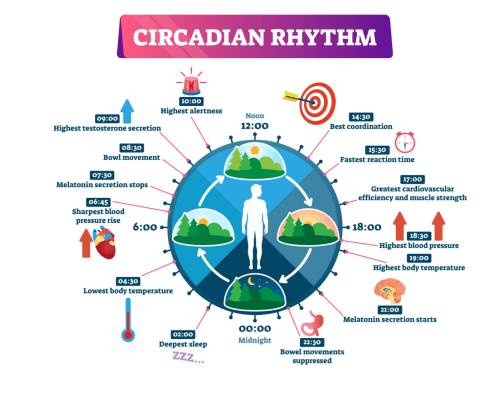
Circadian rhythm
Why a Healthy Daily Routine Matters
A consistent daily routine aligns your body with its natural biological rhythms. Your internal clock—also known as the circadian rhythm—controls sleep, digestion, hormone release, and energy levels. When you follow a structured routine, these systems function optimally.
Adopting a Healthy Daily Routine for Long-Term Wellness offers several long-term benefits:
- Improved physical health and immunity
- Better digestion and metabolism
- Increased focus and productivity
- Reduced stress and anxiety
- Enhanced emotional stability
- Better sleep quality
Over time, these benefits compound, leading to a healthier and more balanced life.
Morning Routine for Energy, Focus, and Metabolism
Your morning sets the tone for your entire day. The first 60–90 minutes after waking play a crucial role in regulating your hormones, energy levels, and mental clarity.
1. Get Natural Sunlight Within 30 Minutes
Exposure to sunlight early in the morning is the single most effective way to regulate your circadian rhythm.
Research in the Journal of Clinical Sleep Medicine shows that morning light signals your brain. It lowers melatonin. It naturally raises cortisol. This biological shift improves your daytime alertness and also boosts sleep quality and evening physical activity.
What to do:
Step outside: Aim for 5–10 minutes of direct exposure.
Utilize your space: Walk on your terrace, stand on your balcony, or take a quick stroll down your street.
Don’t mind the clouds: Even on a cloudy day, outdoor light provides significantly more “lux” (light intensity) than the brightest indoor lighting.
Example: Instead of checking your phone immediately, try taking a short morning walk right after brushing your teeth to “wake up” your internal clock.
2. Hydrate Your Body First
After 7–8 hours of sleep, your body is in a state of mild dehydration, which can manifest as morning brain fog.
Science Insight: Staying hydrated is critical for cognitive function. According to research in The Journal of Nutrition, even mild dehydration can hurt focus, mood, and thinking. A loss of just 1.5% of body water may cause this. Replenishing your fluids immediately upon waking “re-boots” your brain’s processing power.
What to do:
The 500ml Rule: Drink 1–2 glasses of water before reaching for coffee or tea.
Temperature Matters: Room temperature or warm water is gentler on the digestive system in the morning.
Indian Example:
Copper Vessel Water: Water stored overnight in a copper vessel (Tamra Jal).
Digestive Boost: Warm water with lemon or Jeera (cumin) to kickstart your metabolism.
3. Do Deep Work During Peak Hours
Your afternoon productivity depends on how you manage your “Cognitive Load” during the late morning hours.
Science Insight: The human brain works in Ultradian Rhythms.
These are 90-minute cycles of high brain activity.
Each cycle is followed by a short period of lower activity. By matching your hardest tasks to these “peak” windows, you work better and avoid mental fatigue and afternoon slumps.
What to do:
The 90-Minute Block: Dedicate 90 minutes to your most important task without notifications or interruptions.
The “Digital Sunset”: Keep your phone in another room or on “Do Not Disturb” during this window to protect your dopamine levels.
Tips for Success:
Avoid multitasking; it lowers your IQ by an average of 10 points during the task.
If you feel your focus dipping, use a 2-minute “reset” walk to clear adenosine from your brain.
Moong Dal Chilla: Packed with plant-based protein and easy to digest.
Paneer Bhurji with Whole Wheat Roti: High protein and healthy fats.
Idli with Extra Sambhar: Focus on the lentils (protein) and drumsticks (fiber) rather than just the rice cakes.
Sprouted Moong Salad: A powerhouse of enzymes and protein, perfect for a light yet energizing start.
4. Eat a Protein-Rich Breakfast
Breaking your fast with the right macronutrients determines your hunger levels and energy stability for the rest of the day.
Science Insight: A study published in The American Journal of Clinical Nutrition found that high-protein breakfasts significantly improve satiety (the feeling of fullness) and reduce the “reward-driven” urge to snack on high-fat or sugary foods later in the evening. Protein stabilizes your blood sugar, preventing the mid-morning energy crash common after eating refined carbs.
What to do:
Target: Aim for 15–30g of protein in your first meal.
The Order of Eating: Try to eat your fiber (vegetables/sambhar) and protein first, then your carbohydrates. This further blunts the glucose spike.
Healthy Indian Breakfast Ideas:
Moong Dal Chilla: Packed with plant-based protein and easy to digest.
Paneer Bhurji with Whole Wheat Roti: High protein and healthy fats.
Idli with Extra Sambhar: Focus on the lentils (protein) and drumsticks (fiber) rather than just the rice cakes.
Sprouted Moong Salad: A powerhouse of enzymes and protein, perfect for a light yet energizing start.
BenVitalFive Pro-Tip: Add a pinch of black pepper to turmeric dishes, like Poha or Upma. It can raise curcumin absorption by up to 2,000%. This helps boost your morning anti-inflammatory defense.
Internal Link Suggestion:
(Insert link here) → “Beginner Meditation Techniques for Daily Calm”
5. Avoid “Phone First” Thinking
Starting your day by reacting to notifications forces your brain into a “stress-response” mode before you’ve even stood up.
Science Insight: Checking your phone immediately upon waking triggers an artificial dopamine spike. Research into Neuroscience and Digital Habits suggests this puts the brain in a “reactive” state.
It can reduce your attention span and raise baseline anxiety for the rest of the day.
What to do:
The 30-Minute Buffer: Keep your phone in a drawer or another room for the first 30 minutes of the day.
Analog Morning: Use a traditional alarm clock instead of your phone to avoid the temptation to scroll.
Replace the Scroll with:
5 Minutes of Meditation: Focus on your breath to prime your nervous system for calm.
Journaling: Write down three things you are grateful for or your “Big 3” goals for the day.
“Instead of scrolling, spend 5 minutes priming your nervous system for peace. Follow our Heartfulness Meditation guide to reduce stress and overcome overthinking to start your day with a calm mind.”
Midday Routine to Maintain Productivity and Energy
Your afternoon routine determines your productivity and energy levels.
1. Do Deep Work During Peak Hours
Your brain is most alert in late morning.
Science Insight:
Focused work sessions improve efficiency and reduce mental fatigue.
Tips:
- Use 60–90 minute focus blocks
- Avoid multitasking
2. Take Short Breaks
Sitting continuously harms both body and mind.
Research Insight:
Frequent movement improves circulation and reduces fatigue.
Every hour:
- Stand up
- Stretch
- Walk for 2–3 minutes
3. Eat a Balanced Lunch
Avoid heavy, oily meals that cause sleepiness.
Ideal Indian Plate:
- Brown rice or roti
- Dal or paneer
- Sabzi (vegetables)
- Curd
Science Insight:
Balanced meals prevent energy crashes and support sustained focus.
4. Stay Hydrated
Water is essential for brain function and energy.
Tip:
- Drink small amounts throughout the day
- Avoid waiting until you feel thirsty
Stay hydrated throughout the day to maintain focus and energy levels. Pair this with the best Indian diet plan for daily energy to ensure your body gets the right nutrients consistently.
Evening Routine: Transition from Work to Relaxation
Evenings are crucial for winding down and preparing your body for rest.
1. Engage in Light Activity
After a long day, your body needs gentle movement.
Options:
- Walking
- Yoga
- Stretching
Helps digestion and reduces stress
2. Eat an Early and Light Dinner
Science Insight:
Eating late may disrupt sleep and digestion.
Ideal Timing:
- 2–3 hours before bed
Indian Dinner Ideas:
- Vegetable soup + roti
- Khichdi
- Light dal + sabzi
3. Reduce Screen Exposure
Blue light affects your sleep hormone.
Science Insight:
Excess screen exposure delays sleep onset.
Tips:
- Stop screens 60–90 minutes before bed
- Use night mode if necessary
4. Practice Gratitude or Reflection
Mental health is part of wellness.
Try:
- Write 3 good things about your day
- Reflecting on progress
Research Insight:
Gratitude improves mood and reduces stress.
Discover how yoga for stress and anxiety works naturally through breathing, mindfulness, and gentle movement for mental calm.
Night Routine: Optimize Sleep and Recovery
Sleep is when your body repairs, restores, and resets.
1. Maintain a Fixed Sleep Schedule
Science Insight:
Consistent sleep timing improves sleep quality and hormonal balance.
Sleep at the same time daily—even weekends
2. Create a Sleep-Friendly Environment
Your bedroom should be:
- Cool (around 18–24°C in Indian conditions)
- Dark
- Quiet
3. Try Relaxation Techniques
Options:
- Deep breathing (4-7-8 method)
- Reading a book
- Light stretching
4. Avoid Stimulants
Avoid before bed:
- Caffeine
- Heavy meals
- Intense workouts
Weekly Habits for Long-Term Wellness
Daily routines are powerful, but weekly habits add balance.
Include:
- Digital detox (a few hours/week)
- Meal prep for healthy eating
- Time in nature (parks, temples, beaches)
- Social connection (family & friends)
- Hobbies (music, art, reading)
Common Mistakes to Avoid
While building a routine, avoid these common pitfalls:
- Trying to do too much at once
- Being inconsistent with habits
- Skipping meals
- Ignoring mental health
- Overworking without rest
Remember, a healthy daily routine for long-term wellness is about consistency, not perfection.
How to Build Your Routine Step-by-Step
If you are just starting, follow these simple steps:
- Start with 2–3 small habits
- Stay consistent for at least 21 days
- Gradually add more habits
- Track your progress
- Adjust based on your lifestyle
Building a routine takes time, but the long-term benefits are worth the effort.
FAQ: Healthy Daily Routine for Long-Term Wellness
Q1: What is the most important part of a healthy daily routine? The foundation of any routine is consistency in sleep and wake times. Keeping your circadian rhythm stable regulates almost every other biological process, including hunger hormones (ghrelin/leptin) and cognitive repair.
Q2: How can I build a healthy routine if I have a busy 9-to-5 job? Focus on “Habit Stacking.” Attach a new wellness habit to an existing one. For example: “While the kettle boils for my morning tea, I will do 2 minutes of light stretching.” This reduces the mental load of starting something new.
Q3: Is an Indian diet suitable for long-term weight management and wellness? Yes. Traditional Indian meals—rich in lentils (dal), spices like turmeric and cumin, and fermented foods like curd—are excellent for gut health and inflammation. The key is to manage portion sizes of refined carbs (white rice/refined flour) and increase fiber-rich vegetables.
Q4: How long does it take for a new daily routine to show results? While you may feel more energetic within 3 to 7 days of better hydration and sleep, long-term physiological changes (like improved metabolic markers or weight loss) typically take 8 to 12 weeks of consistent practice.
Q5: What should I do if I break my routine for a day? Follow the “Never Miss Twice” rule. A single day of inconsistency won’t ruin your progress, but two days can start a new, less healthy habit. Resume your routine the very next morning without guilt.
Conclusion
A healthy daily routine for long-term wellness is one of the most powerful tools for transforming your life. It’s not about perfection or strict discipline—it’s about building small, sustainable habits that support your body and mind every day.
By focusing on:
- Consistent sleep
- Balanced nutrition
- Daily movement
- Mindfulness
You can create a lifestyle that promotes lasting health, happiness, and energy.
Start small. Stay consistent. Let your routine work for you.

