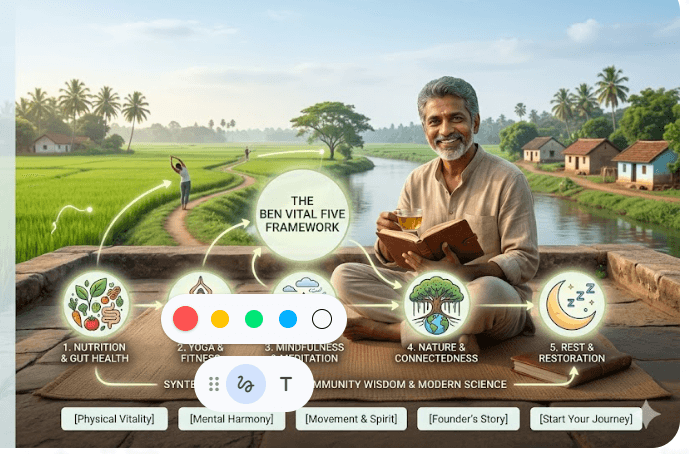
The 5 Pillars of Holistic Wellness for a Healthier, Balanced Life
Live Long. Live Quietly. Live Well.
Synthesizing 40 years of community wisdom and modern wellness science into a 5-Pillar roadmap for your life.
Modern health advice often feels fragmented.
One expert talks about diet.
Another focuses on workouts.
Others emphasize meditation or supplements.
But true, sustainable wellness happens when multiple lifestyle systems work together.
The BenVitalFive Philosophy: Beyond Fragmented Health
Modern health advice is broken. One expert screams “diet,” another pushes “fitness,” and a third sells “supplements.” But your body isn’t a collection of parts—it is a complete ecosystem.
According to the World Health Organization, most lifestyle-related conditions are preventable through integrated behaviors. At BenVitalFive, we don’t believe in shortcuts. We believe in the “Quiet Life”—a state of complete physical, mental, and social well-being built through five foundational systems.
What Is Holistic Wellness?
Holistic wellness means looking at health as a whole system, rather than separate symptoms.
For example:
Brain fog may be linked to poor sleep.
Chronic fatigue may stem from nutrient deficiencies.
Lack of physical movement may intensify stress.
Research from the World Health Organization (WHO) shows that health is more than the absence of disease. It is a state of complete physical, mental, and social well-being.
The 5 Pillars of Holistic Wellness help create this balance.
Rather than focusing on extreme diets or complicated routines, holistic health encourages simple, sustainable daily practices.
Featured Authority Article
30 Health Lessons Modern Society Can Learn from Farming Communities
For decades, traditional farming communities practiced natural wellness without gyms, supplements, or stress-driven routines.
This in-depth article shares lived observations on:
Early rising and circadian rhythm
Natural daily movement
Fermented foods and seasonal eating
Herbal practices
Community bonding
Deep, restorative sleep
These are lessons modern life urgently needs.
Healthy Living (Nutrition & Daily Habits)
Yoga & Fitness
Mindful Meditation
Book Reading for Intellectual Growth
Natural Remedies & Herbal Support
Together, they form a complete ecosystem for long-term physical, mental, and intellectual well-being.
Let’s explore each pillar in depth.
Our Framework: The 5 Pillars of Holistic Wellness
Pillar 1: Healthy Living (Nutrition & Habits)
Nutrition forms the foundation of the 5 Pillars of holistic wellness. What you eat literally becomes the building blocks of your cells, hormones, and brain chemistry.

Healthy living begins with what you consume daily.
Research from the Harvard T.H. Chan School of Public Health shows that long-term eating habits affect lifespan. They also help prevent disease.
Core Principles of Healthy Living
Prioritize whole, minimally processed foods
Maintain consistent meal timing
Balance macronutrients
Stay hydrated
Sleep 7–9 hours nightly
Personal Insight
When I structured my meals and eliminated late-night eating, my digestion improved and energy levels stabilized within weeks.
Healthy living is not dieting—it is a daily structure.
Featured Article
Healthy Eating Habits for Long-Term Wellness
This guide explains how balanced meals, proper timing, and mindful food choices support digestion, immunity, and sustained energy.
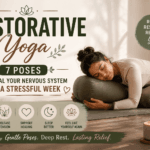
Pillar 2: Yoga & Fitness (Mindful Movement)
Physical activity is another core component of the 5 Pillars of Holistic Wellness.
Movement does far more than improve physical fitness. It also:

Movement is medicine.
The National Institutes of Health confirms that regular physical activity reduces the risk of cardiovascular disease, improves insulin sensitivity, and enhances mental health.
Why Yoga Matters
Yoga uniquely integrates:
Flexibility
Strength
Breath control
Nervous system regulation
Unlike intense workouts alone, yoga supports hormonal balance and stress reduction.
Sustainable Fitness Guidelines
30 minutes of moderate movement daily
Yoga practice 3–5 times weekly
Strength training 2–3 times weekly
Daily walking
Consistency beats intensity.
Yoga and Fitness for Beginners: A Simple Daily Routine
Movement should support life, not exhaust it.
This article introduces beginner-friendly yoga and fitness practices that improve strength, flexibility, posture, and stress balance—without extreme workouts.
Pillar 3: Meditation & Mindfulness (The Quiet Mind)
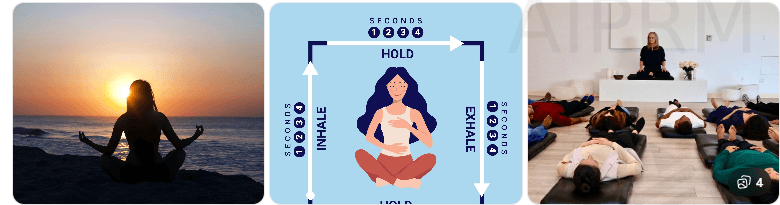
Chronic stress disrupts digestion, immunity, and sleep.
Mindfulness meditation helps regulate cortisol and improve emotional stability.
Clinical research shows meditation supports:
Reduced anxiety
Improved focus
Better emotional regulation
Lower blood pressure
When I committed to 10 minutes of daily meditation, my productivity and emotional resilience improved noticeably.
Meditation trains awareness—and awareness improves every other pillar.
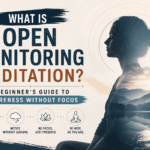
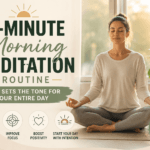
Mindful Meditation for Beginners: A 10-Minute Daily Practice
Mental clarity begins with awareness.
Learn how a simple daily meditation practice can reduce stress, improve focus, support emotional balance, and enhance overall well-being.
Pillar 4: Growth Through Reading (Intellectual Wellness)

Intellectual growth is often ignored in wellness discussions.
However, cognitive stimulation supports brain health and emotional maturity.
Reading regularly can:
Improve focus
Expand perspective
Enhance critical thinking
Reduce stress
Studies show that lifelong learning may reduce the risk of cognitive decline.
Personally, daily reading strengthens clarity and improves decision-making.
Mental nourishment is as important as physical nourishment.
Why Reading Daily Is Essential for Intellectual Growth
Wellness is not only physical—it is intellectual.
Discover how regular reading strengthens focus, decision-making, emotional intelligence, and lifelong learning, supporting mental resilience at every age.
Pillar 5: Natural Remedies—Herbs & Their Benefits
Natural remedies have supported human health for centuries.
When used responsibly, herbs can complement lifestyle habits.
Examples include:
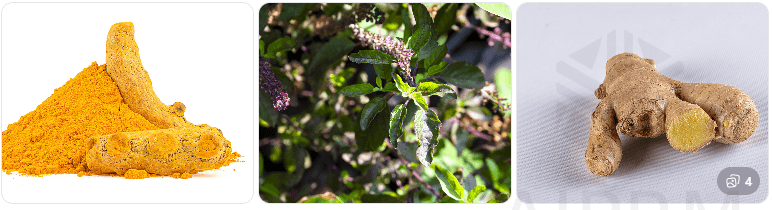
Turmeric—Anti-inflammatory support
Tulsi (Holy Basil) – Stress modulation
Ginger—Digestive aid
Herbal teas—hydration & relaxation
Modern research increasingly studies plant compounds for immune and anti-inflammatory benefits.
Natural Remedies and Herbs: Benefits and Safety Use
Nature has supported human health for generations.
This article explains the traditional use of herbs like turmeric, ginger, and tulsi—presented responsibly as supportive wellness practices, not medical replacements.
Important: Natural remedies support health—they do not replace medical treatment.
The BenVitalFive Ecosystem: 3 Paths to Holistic Health
1. Physical Vitality: The Biological Foundation
This category houses the pillars that build your physical “hardware.”
Included Pillars: * Pillar 1: Healthy Living (Nutrition & Circadian Habits)
Pillar 5: Natural Remedies (Herbs & Supportive Healing)
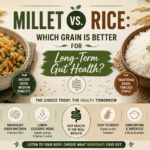
The Science: We focus on the Gut-Brain Axis and inflammation. By aligning nutrition with your body’s natural rhythms, you create the energy required for all other life goals.
Primary Pillar Post: [Embarking on a Wellness Journey: Natural Steps to Holistic Health]
Focus: Gut health, traditional fermented foods, and responsible herbal support (Brahmi, Tulsi, Turmeric).
[Explore Physical Vitality]
2. Mental Harmony: The Cognitive Sanctuary
This category houses the pillars that protect your focus and emotional peace.
Included Pillars: * Pillar 3: Mindful Meditation (Stress Regulation)
Pillar 4: Growth Through Reading (Intellectual Wellness)
The Science: In a world of digital noise, “Attention Resets” are a neurological necessity. We combine the parasympathetic benefits of meditation with the cognitive resilience gained through deep, focused reading.
Primary Pillar Post: [The Attention Reset: Breaking the Digital Scrolling Cycle]
Focus: Box breathing techniques, reducing cortisol, and the neurological benefits of a daily 10-minute reading habit.
[Explore Mental Harmony]
3. Movement & Spirit: The Integration of Flow
This category houses the pillars that keep the body and soul flexible.
Included Pillar: * Pillar 2: Yoga & Fitness (Mindful Movement)
The Science: Movement is not about exhaustion; it is about circulation and lymphatic health. We prioritize Vinyasa and functional movement to ensure that as the body ages, it remains a vessel for peace rather than a source of pain.
Primary Pillar Post: [Crafting Your Daily Wellness Routine: A 10-Minute Guide]
Focus: Yoga for beginners, morning flexibility routines, and building holistic habits that last a lifetime.
[Explore Movement & Spirit]
From the Founder: Jesu Raj Athisayam
A Foundation in Sociology and Community Wisdom
“My journey began at Mysore University in 1980. After forty years of observing human vitality, I realized that good health is not a luxury—it is the harvest of a disciplined life. I created BenVitalFive to bridge the gap between scientific theory and your daily reality.”
How the 5 Pillars Work Together
These pillars are interconnected:
Healthy living fuels energy
Yoga strengthens the body
Meditation calms the mind
Reading sharpens the intellect
Natural remedies support recovery
Neglecting one weakens overall balance.
Integrated living produces sustainable wellness.
Frequently Asked Questions
What are the 5 pillars of holistic wellness?
Healthy living, yoga & fitness, mindful meditation, intellectual growth through reading, and natural remedies.
Why combine physical and intellectual growth?
Mental stimulation supports cognitive resilience, emotional maturity, and decision-making—enhancing overall life quality.
Are natural remedies scientifically supported?
Many herbs are studied for their anti-inflammatory and immune-support properties, though they should complement—not replace—medical care.
How long before results appear?
Energy and mood improvements can occur within weeks. Long-term benefits develop through consistent practice.
Final Thoughts: Build Strength in All Five Dimensions
True wellness is multidimensional.
It is:
Structured nutrition
Consistent movement
Calm awareness
Intellectual expansion
Natural support systems
Small daily improvements across these five pillars create long-term resilience.
Start with one pillar. Strengthen it. Then build the others.
Wellness is not a quick fix—it is a lifelong practice.
Begin with One Pillar
You don’t need to change everything at once.
Choose one article.
Build one habit.
Stay consistent.
Over time, small daily practices create lasting wellness.