
Introduction
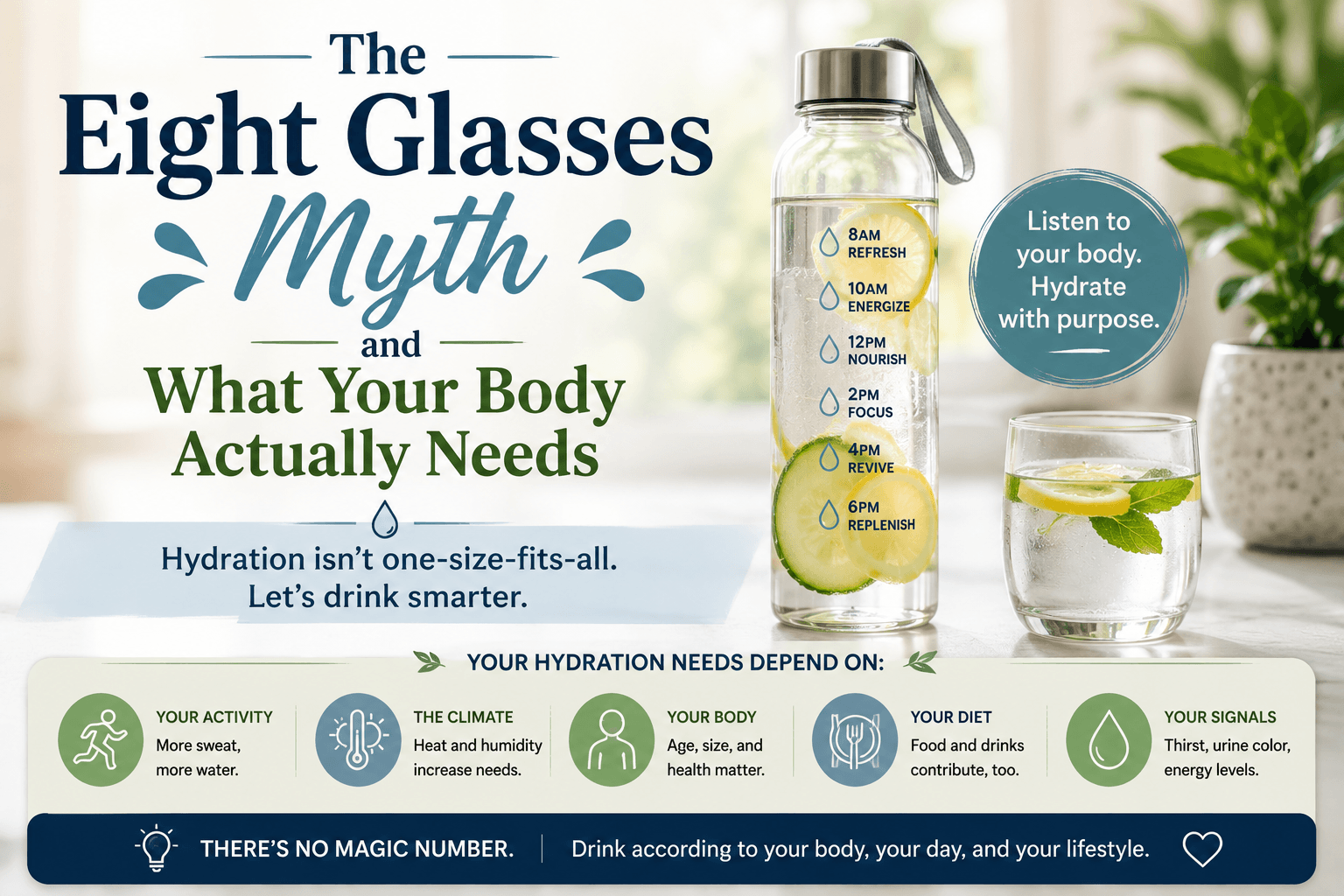
How much water should you drink daily? It is one of the most common health questions, yet the answer is far more personal than the familiar “eight glasses a day” rule. For decades, this advice has been repeated across fitness programs and social media. While it is easy to remember, modern research shows it is not a scientific rule that applies equally to everyone.
Staying well-hydrated is essential for regulating body temperature, lubricating joints, supporting digestion, and keeping your brain and muscles sharp. However, true hydration is about meeting your body’s dynamic needs, not hitting an arbitrary daily quota.
If you already focus on healthy living habits, hydration should be your next step.If you use brisk walking for lifelong fitness, hydration should be your next step. It helps support your body’s natural balance.Why Do We Believe the “Eight Glasses” Myth?
The recommendation to drink eight glasses of water daily is one of the most widely accepted pieces of health advice in the world. Surprisingly, its origins are a simple misunderstanding.
In 1945, the U.S. Food and Nutrition Board suggested that adults consume approximately 2.5 liters of water daily. However, a crucial follow-up sentence was lost over time: the report noted that most of this fluid is already contained in the prepared foods we eat.
As the qualification faded from public memory, the advice simplified into a rigid rule: everyone must drink eight glasses of plain water a day. Today, health experts emphasize a more flexible approach that honors your body’s natural signals and unique lifestyle.
What Does Modern Science Say About Daily Water Intake?
Modern research looks at total fluid intake rather than just plain water. According to the National Academies of Sciences, Engineering, and Medicine, a healthy daily fluid intake (which includes all beverages and moisture-rich foods) averages:
About 3.7 litres (125 ounces) per day for men
About 2.7 litres (91 ounces) per day for women
This intake does not have to come entirely from a water bottle. In fact, roughly 20% of our daily water intake comes from the foods we eat.
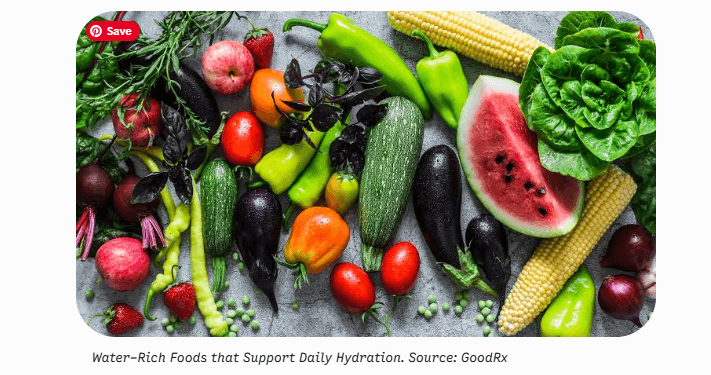
Incorporating water-rich fruits and vegetables—such as watermelon, cucumbers, tomatoes, and oranges—into your diet is a fantastic way to naturally boost your hydration. If you are exploring mindful, healthy eating habits, focus on these nutrient-dense foods. They support both your digestion and your fluid balance.
The Factors That Determine Your Hydration Needs
Your hydration needs change daily based on several variables. Rather than chasing a static number, it is helpful to look at the primary elements that dictate how much fluid your body actually requires:
| Hydration Factor | Why It Matters | How to Adjust |
| Body Size | Larger body mass requires more cellular fluid and blood volume. | Taller or heavier individuals naturally require a slightly higher baseline intake. |
| Physical Activity | Sweating cools the skin but depletes water and essential sodium. | Drink before, during, and after workouts. Pair with restorative yoga practices to assist in muscle recovery. |
| Climate & Environment | Heat, high humidity, dry air, and high altitudes accelerate fluid loss. | Increase water intake in extreme heat and dry winter conditions (where indoor heating dries the air). |
| Dietary Patterns | Soups, broths, and raw produce significantly contribute to your fluid pool. | High-sodium or high-protein diets increase water needs, while raw, plant-heavy diets decrease them. |
| Caffeine & Tea | Coffee and tea have a mild diuretic effect but are still net-hydrating. | Moderate daily coffee or tea counts toward your target; there is no need to “offset” them with extra water. |
| Health Status | Fever, vomiting, or diarrhea deplete fluids rapidly; some chronic conditions require fluid restriction. | Increase fluids during acute illnesses. Always follow clinical guidelines if you have heart or kidney conditions. |
How Can You Tell If You’re Drinking Enough Water?
Fortunately, you don’t need a calculator to track your hydration. Your body has an incredibly sophisticated, built-in monitoring system.
1. Let Thirst Be Your Guide
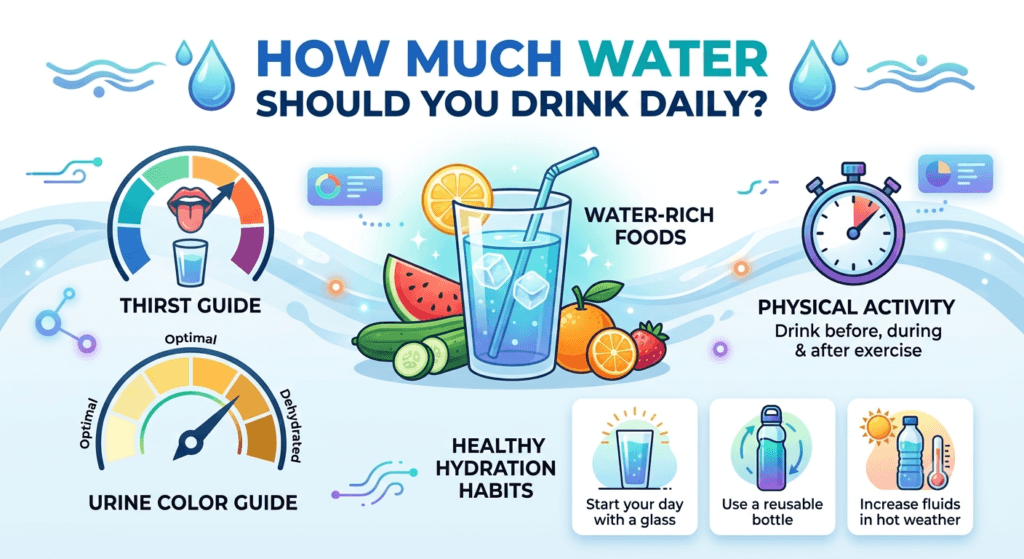
For healthy adults, the sensation of thirst is a highly reliable early warning system. Your brain triggers thirst long before you reach dangerous levels of dehydration. Simply drink when you feel the urge.
Note: Older adults and young children may have a weaker thirst reflex and should be prompted to drink more regularly.
2. Check Your Urine Color
Urine color is one of the most accurate, visual, and immediate indicators of your hydration status.
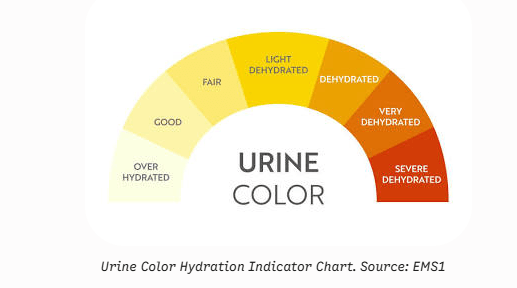
Pale straw to light yellow: You are well-hydrated.
Dark yellow or amber: Your body is conserving water; it’s time to drink a glass or two.
Completely clear: You may actually be drinking more than your body currently needs.
3. Track Your Energy and Performance
Mild dehydration can manifest as brain fog, sudden fatigue, or a mild headache because your heart has to work slightly harder to pump blood. If you experience a sudden afternoon slump, try drinking a glass of water and pairing it with a quick mindfulness exercise for stress relief to re-energize your mind and body.
Can you drink too much water?
Yes. Consuming excessive amounts of plain water in a very short period can overwhelm your kidneys, diluting the sodium in your blood. This rare condition, known as hyponatremia, is most common in endurance athletes. Drinking to satisfy your natural thirst makes overhydration highly unlikely.
Practical Hydration Habits
Staying properly hydrated doesn’t have to be complicated. Incorporate these seamless habits into your day:
Start with a morning glass: Drink a small glass of water right after waking up to replenish fluids lost overnight.
Keep a bottle handy: Having a reusable bottle nearby makes taking small, regular sips effortless.
Hydrate around movement: Sip water before and after physical activities like a bike ride, gym session, or a brisk outdoor walk.
Eat your water: Fill your plate with hydrating foods like raw bell peppers, berries, and zucchini.
Frequently Asked Questions
How much water should you drink daily?
There is no single amount that suits everyone. Your daily fluid needs depend on factors such as age, body size, activity level, climate, diet, and overall health. Most healthy adults can rely on thirst, urine color, and their daily activities to guide their hydration
Does coffee count toward daily hydration?
Yes. Scientific evidence shows that moderate coffee consumption contributes to your total daily fluid intake. Although caffeine has a mild diuretic effect, the water contained in coffee more than offsets this effect for most healthy adults.
Does tea count as water?
Yes. Both black and green tea, as well as herbal teas, contribute to your daily hydration
Do fruits and vegetables count?
Absolutely.
Many fruits and vegetables contain between 80% and 95% water.
Excellent choices include:
- Watermelon
- Cucumbers
- Tomatoes
- Spinach
- Oranges
- Strawberries
- Lettuce
- Celery
A balanced diet naturally contributes a significant amount of your daily fluid intake.
To learn more about building nutritious meals, read Healthy Eating Habits for Long-Term Wellness.
What color should urine be?
For most healthy adults, pale yellow urine generally indicates adequate hydration.
Very dark urine may suggest dehydration, while completely clear urine for extended periods may simply indicate that you are drinking more water than necessary.
Certain medications and vitamin supplements can temporarily change urine color, so consider this alongside other hydration signals.
Can you drink too much water?
Yes, although it is uncommon.
Drinking excessive amounts of water in a short period can dilute sodium levels in the blood, leading to a condition called hyponatremia. This is most often associated with endurance athletes or unusual circumstances rather than everyday drinking habits.
Listening to your body’s thirst and avoiding excessive water intake helps reduce this risk.
Are sports drinks necessary?
For most people, no.
If your activity lasts less than an hour, plain water is usually sufficient.
Sports drinks are generally most useful during prolonged, intense exercise involving heavy sweating, where replacing electrolytes becomes important.
Healthy Hydration Is Part of a Healthy Lifestyle
Hydration is only one piece of lifelong wellness.
The healthiest lifestyle combines adequate fluid intake with regular physical activity, nutritious eating, quality sleep, stress management, and mindful self-care.
You can continue building these habits by exploring:
- Mindfulness Techniques for Stress Relief Naturally
- Healthy Eating Habits for Long-Term Wellness
- Natural Remedies for Healthy Living
- Walking Is the Most Underrated Exercise for Lifelong Health
- The Transformative Power of Yoga for Physical and Mental Wellness
Conclusion
The classic “eight glasses a day” rule served as a helpful reminder, but modern science tells a much more flexible story. There is no single, permanent answer to the question: how much water should you drink daily?
Your body’s needs are constantly shifting. By tuning in to your natural thirst, paying attention to your urine color, and eating a balanced diet rich in whole foods, you can easily maintain perfect fluid balance. Listen to your body, let your natural signals guide you, and enjoy hydration as a simple, stress-free pillar of your overall wellness journey.
Remember, water is essential for life—but understanding your body’s individual needs is even more important than counting glasses. Listen to your body, build healthy daily habits, and let hydration become a natural part of your journey toward lifelong wellness.

