
Table of Contents
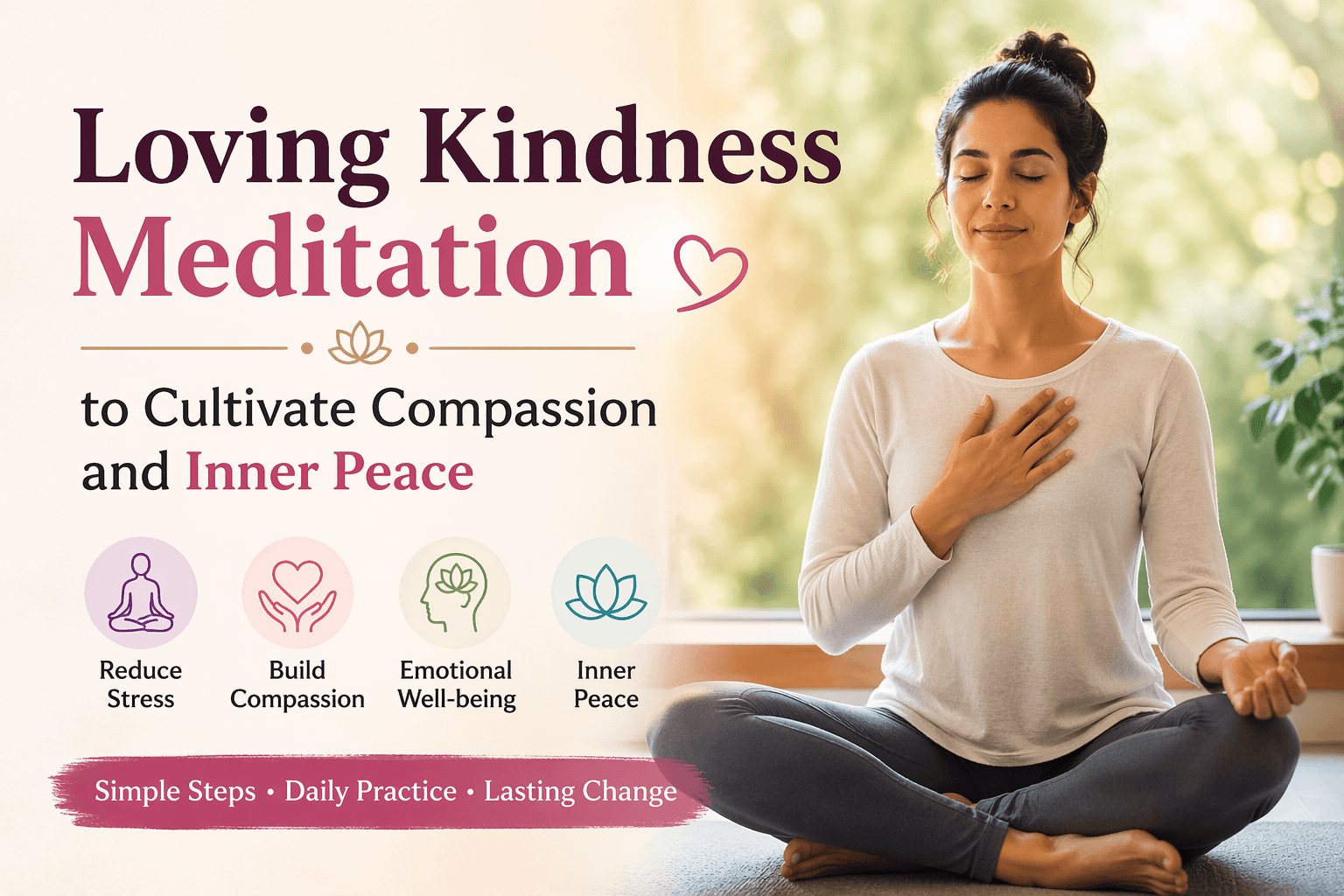
ToggleLoving Kindness Meditation is a compassion-focused mindfulness practice that involves silently repeating positive phrases to develop kindness, empathy, emotional healing, and inner peace toward yourself and others.
Introduction:
In today’s fast-paced world, stress, anxiety, and emotional exhaustion have become increasingly common. Many people struggle with self-criticism, emotional disconnection, and mental overwhelm. This is where Loving Kindness Meditation, also known as Metta meditation, can become a powerful tool for emotional healing and inner peace.
Unlike traditional mindfulness techniques that focus primarily on breathing, Loving Kindness Meditation encourages you to actively cultivate compassion, empathy, and kindness toward yourself and others. With consistent practice, this simple yet transformative meditation can improve emotional well-being, reduce stress, and strengthen your relationships.
Whether you are completely new to meditation or looking to deepen your mindfulness practice, this beginner-friendly guide will help you understand the benefits, techniques, scientific evidence, and practical tips for making Loving Kindness Meditation part of your daily life.
Expert Insight on Compassion Meditation
“Compassion-based meditation practices help train the mind for emotional balance and kindness. Over time, they can improve mental well-being and social relationships.”
— Wellness Research Perspective
What Is Loving Kindness Meditation?

Loving-kindness meditation is a mindfulness practice designed to develop feelings of compassion, kindness, and unconditional goodwill. Traditionally rooted in Buddhist teachings, this practice is often referred to as Metta meditation, with “Metta” meaning loving kindness or universal friendliness.
During the meditation, you silently repeat positive phrases directed toward yourself and others. These phrases are intended to cultivate emotional warmth and compassionate awareness.
Common examples include:
- May I be happy
- May I be healthy
- May I be safe
- May I live with ease
Over time, these compassionate intentions are extended beyond yourself to loved ones, neutral individuals, difficult people, and eventually all living beings.
Unlike forced positivity, loving-kindness meditation gently trains the mind to respond with greater patience, empathy, and emotional balance.
Scientific Research Behind Loving Kindness Meditation
Modern research increasingly supports the psychological and emotional benefits of Loving Kindness Meditation (Metta meditation).
A study published in the journal Emotion found that practicing loving kindness meditation regularly may increase positive emotions, social connection, and overall life satisfaction. Researchers observed that participants who practiced compassion meditation consistently experienced improved emotional resilience over time.
Another study from the University of North Carolina suggested that mindfulness practices focused on compassion and kindness may help reduce stress-related emotional responses and improve vagal tone, which is associated with emotional regulation and heart health.
Research in neuroscience also indicates that meditation practices centered around empathy and compassion may activate brain regions related to emotional processing, social connection, and self-awareness.
Although results vary between individuals, evidence suggests that regular mindfulness practice may support:
- Lower stress levels
- Better emotional balance
- Improved empathy
- Reduced anxiety symptoms
- Greater self-compassion
Key Statistics About Meditation and Emotional Wellness
- “According to the National Center for Complementary and Integrative Health, meditation is one of the most widely used mind-body wellness practices globally.”
- Studies suggest that regular meditation may help reduce symptoms of anxiety and emotional distress in many individuals.
- Research has shown that compassion-focused mindfulness practices can significantly improve emotional resilience and social connection.
- Mental wellness experts increasingly recommend mindfulness meditation as part of stress management routines.
Benefits of Loving Kindness Meditation
1. Reduces Stress and Anxiety
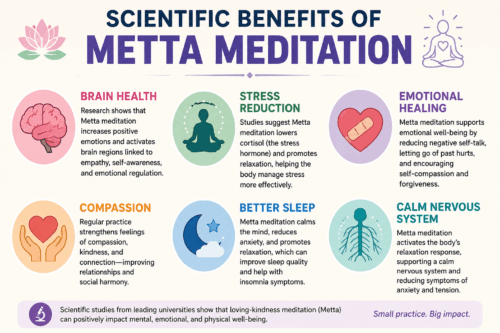
One of the most researched benefits of Loving Kindness Meditation is its ability to reduce stress and anxiety. Regular practice activates relaxation responses within the nervous system, helping calm racing thoughts and emotional tension.
Many people report feeling mentally lighter and emotionally calmer after practicing consistently for several weeks.
2. Improves Emotional Well-Being
This form of emotional healing meditation encourages healthier emotional patterns by reducing self-criticism and increasing positive feelings.
Instead of constantly focusing on mistakes or negative experiences, practitioners gradually develop a more balanced and compassionate inner dialogue.
3. Builds Self-Love and Compassion
Loving Kindness Meditation is widely considered one of the most effective forms of meditation for self-love.
By directing kind and supportive thoughts toward yourself, you strengthen emotional resilience and develop healthier self-esteem. This can be especially beneficial for individuals dealing with burnout, loneliness, or emotional exhaustion.
4. Strengthens Relationships
As compassion grows internally, it naturally extends outward. Many practitioners notice improvements in their relationships, communication, and emotional reactions.
This type of compassion meditation helps reduce judgment, anger, and emotional defensiveness while encouraging empathy and understanding.
5. Supports Better Mental Clarity
Consistent mindfulness practice can improve focus, emotional regulation, and self-awareness. Over time, you may become less reactive to stressful situations and more capable of responding thoughtfully.
Scientific Benefits of Loving Kindness Meditation
Modern neuroscience and psychology research continue to explore the effects of Loving Kindness Meditation on mental and emotional health.
Several studies suggest that regular Metta meditation may help:
- Lower stress hormone levels such as cortisol
- Increase positive emotions and life satisfaction
- Improve emotional regulation
- Enhance empathy and social connection
- Reduce symptoms of anxiety and depression
- Support overall psychological resilience
Researchers also believe that compassion-based meditation may positively influence brain regions associated with emotional processing and empathy.
While meditation is not a replacement for professional mental health treatment, it can be a valuable supportive wellness practice when used consistently.
How to Practice Loving Kindness Meditation
One of the best aspects of Loving Kindness Meditation is its simplicity. You do not need any special equipment or advanced experience.
Step 1: Find a Quiet Space
Choose a calm and comfortable place where you can sit without distractions. Sit upright in a relaxed position and take a few slow, deep breaths.
Close your eyes and allow your body to settle naturally.
Step 2: Begin with Yourself
Start by directing compassionate thoughts toward yourself. Repeat the phrases slowly and sincerely in your mind.
Examples include:
- May I be happy
- May I be peaceful
- May I be healthy
- May I live with ease
Do not worry if the emotions do not feel strong immediately. The practice works gradually over time.
Step 3: Extend Kindness to Others
After a few minutes, shift your attention toward someone you care about deeply.
Repeat similar phrases for them:
- May you be safe
- May you be healthy
- May you be happy
- May you live peacefully
As your practice develops, extend these intentions toward:
- Neutral people
- Difficult individuals
- Entire communities
- All living beings
This gradual expansion strengthens emotional openness and compassion.
Step 4: Gently Refocus When Distracted
It is completely normal for the mind to wander during meditation. When distractions arise, gently bring your attention back to the phrases without judgment.
Consistency matters more than perfection.
Best Time to Practice Loving Kindness Meditation
There is no perfect time for meditation, but certain times of day may feel more effective depending on your routine and goals.
Morning Meditation
Practicing in the morning can help create a calm, positive mindset for the rest of the day.
Evening Meditation
Evening sessions may help release emotional tension, reduce stress, and improve sleep quality.
During Stressful Moments
You can also practice informally throughout the day. Repeating compassionate phrases during stressful situations can help regulate emotions and improve mindfulness.
How Long Does It Take to See Results?
Many beginners notice small emotional shifts within the first few sessions, including feelings of calmness and relaxation.
However, deeper emotional changes often develop gradually over several weeks of consistent practice.
For most beginners:
- 5–10 minutes daily is a good starting point
- Consistency is more important than session length
- Benefits often become more noticeable after 2–4 weeks
Like any mindfulness practice, Loving Kindness Meditation becomes more natural with repetition.
Common Beginner Mistakes
Expecting Immediate Emotional Results
Some beginners assume they should instantly feel overwhelming compassion or happiness. In reality, emotional growth develops gradually.
The goal is not to force emotions but to gently cultivate them over time.
Judging Yourself During Practice
Many people become frustrated when their mind wanders. This is completely normal in meditation.
Instead of self-judgment, practice returning your focus with patience and kindness.
Trying Too Hard with Difficult People
Extending compassion toward difficult individuals can feel emotionally challenging at first.
It is perfectly acceptable to focus primarily on yourself and loved ones until you feel more comfortable broadening the practice.
Being Inconsistent
Meditation benefits build through repetition. Even short daily sessions are more effective than occasional long sessions.
Tips to Make Loving Kindness Meditation a Daily Habit
Building a sustainable meditation routine becomes easier when you connect it with existing daily habits.
Helpful strategies include:
- Practice at the same time every day
- Start with short sessions
- Use guided meditation recordings if needed
- Keep a mindfulness journal
- Create a calm meditation space
- Focus on consistency instead of perfection
Over time, kindness and compassion can begin influencing your thoughts, habits, and emotional responses naturally.
Why This Practice Matters in Traditional Wellness
Through decades of observing rural wellness practices and natural living traditions in Tamil Nadu communities, many holistic healing systems have consistently emphasized compassion, emotional balance, mindfulness, and community connection as essential foundations for long-term well-being.
Modern scientific research increasingly supports these traditional observations, showing that mindfulness practices such as Loving Kindness Meditation may positively influence emotional health, stress regulation, and overall mental resilience.
Final Thoughts
Loving Kindness Meditation is more than a relaxation technique — it is a powerful practice for emotional healing, compassion, and self-awareness.
In a world where stress, criticism, and emotional burnout are increasingly common, developing kindness toward yourself and others can create meaningful long-term changes in mental well-being.
Through regular practice, Metta meditation may help you become calmer, more emotionally resilient, and more connected to the people around you.
You do not need to meditate perfectly. You simply need to practice consistently and approach yourself with patience.
Small moments of compassion practiced daily can gradually transform the way you think, feel, and live.
Frequently Asked Questions
Is Loving Kindness Meditation suitable for beginners?
Yes. Loving Kindness Meditation is considered one of the most beginner-friendly mindfulness practices because it focuses on simple phrases and emotional awareness rather than complex techniques.
Is Loving Kindness Meditation the same as Metta meditation?
Yes. Metta meditation is the traditional Buddhist term for Loving Kindness Meditation.
Can Loving Kindness Meditation reduce anxiety?
Many people use Loving Kindness Meditation to manage stress and anxiety because it encourages relaxation, emotional balance, and compassionate thinking.
How often should I practice Loving Kindness Meditation?
Daily practice is ideal. Even 5–10 minutes per day can produce noticeable emotional and mental benefits over time.
Can Loving Kindness Meditation improve relationships?
Yes. Compassion meditation may help improve empathy, patience, emotional regulation, and communication in personal relationships.
About the Author
Jesuraj is a wellness researcher and health optimization specialist focused on the intersection of modern neuroscience and traditional herbalism. Dedicated to evidence-based wellness, Jesuraj spends hundreds of hours auditing clinical trials and third-party lab reports to provide readers with objective, research-driven analysis. His research combines traditional rural wellness observations with modern evidence-based neuroscience and mindfulness research.
By bridging ancient botanical wisdom with contemporary brain science, Jesuraj helps readers optimize mental clarity, emotional resilience, and overall vitality through strategic wellness practices, adaptogens, mindfulness techniques, and targeted supplementation.

