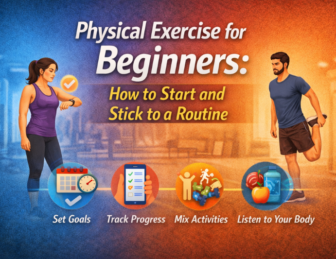
Physical Exercise for Beginners: How to Start and Stick to a Routine

Starting an exercise routine doesn’t require a gym membership, fancy equipment, or extreme discipline. For beginners, the real challenge isn’t knowing what to do — it’s learning how to start gently and stay consistent. This guide breaks down physical exercise into simple, realistic steps anyone can follow, even with a busy schedule or zero fitness background.
Continue ReadingPhysical Exercise for Beginners: How to Start and Stick to a Routine

Print Books vs E-Books vs Audiobooks: Which Is Better for Learning and Memory?

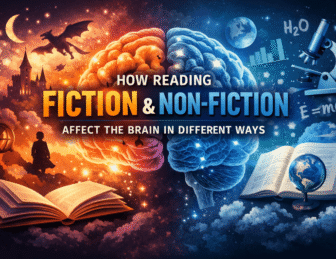
Print books, e-books, or audiobooks—what’s best for learning and memory? This wellness-focused guide explores how each format affects focus, brain health, and retention, with expert insights, practical tips, and recommended tools to help you learn better and remember more.

Continue ReadingPrint Books vs E-Books vs Audiobooks: Which Is Better for Learning and Memory?

How Book Reading Improves Decision-Making and Critical Thinking Skills

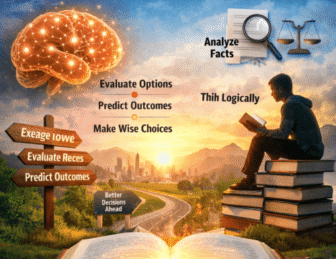
Book reading improves decision-making and critical thinking skills by training the brain to analyze information, consider multiple perspectives, and reflect before acting. Through fiction and non-fiction, reading strengthens focus, logical reasoning, emotional intelligence, and judgment, helping individuals make thoughtful and informed decisions in daily life.

Continue ReadingHow Book Reading Improves Decision-Making and Critical Thinking Skills

Yoga for Stress and Anxiety: A Natural Way to Calm the Nervous System

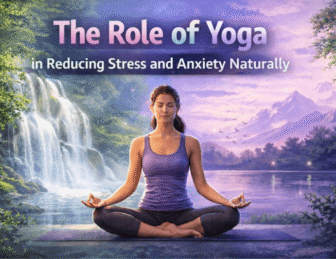
Stress and anxiety don’t just live in your thoughts—they live in your body. Tight shoulders, shallow breathing, restless sleep, and constant tension are all signs of an overloaded nervous system. Yoga offers a natural way to reset. Rather than forcing calm, yoga gently teaches your body how to relax by combining slow movement, intentional breathing, and mindful stillness. Backed by science and real-life experience, this guide explores how yoga reduces stress and anxiety, improves sleep, and builds emotional resilience—without requiring flexibility, perfection, or long sessions. Even ten minutes a day can make a meaningful difference.

Continue ReadingYoga for Stress and Anxiety: A Natural Way to Calm the Nervous System

How to Read in a World Full of Distractions: A Professional Guide to Deep Focus in the Digital Age

In the digital age, our brains get used to skimming. This weakens our attention span. Deep reading works like a workout for the mind. It strengthens focus, memory, and emotional control. Try reading a printed book. Set a 20-minute “no-phone” timer. This helps you regain deep focus.

Continue ReadingHow to Read in a World Full of Distractions: A Professional Guide to Deep Focus in the Digital Age

Why Reading Is Better for Stress Relief Than Scrolling (Backed by Science + Real-Life Tips)

Scrolling might feel like a quick way to unwind, but it often leaves your mind overstimulated and your stress even higher. Reading for stress relief works differently—it slows your thoughts, calms your nervous system, and helps you regain emotional balance. In this post, you’ll discover the science behind why reading is more restorative than scrolling, plus practical tips and calming book recommendations to help you build a peaceful daily habit.

Continue ReadingWhy Reading Is Better for Stress Relief Than Scrolling (Backed by Science + Real-Life Tips)

No more posts to load