
Table of Contents
Why this converts:Solves pain/discomfort objectionsEasy entry-level purchaseDirect relevance to workouts in the articles)👉 Internal link idea: Best exercise mats for home workouts
The National Institutes of Health reports that adaptogens may help regulate stress response and fatigue when used appropriately.👉 Internal link: Best adaptogens for exercise recovery and cortisol control
According to the Centers for Disease Control and Prevention, proper hydration improves exercise performance and reduces injury risk.👉 Internal link: Best electrolytes for home workouts (clean options)
Actionable recommendation:
Follow this plan for 2–3 weeks, then increase reps or time by 10–20%.
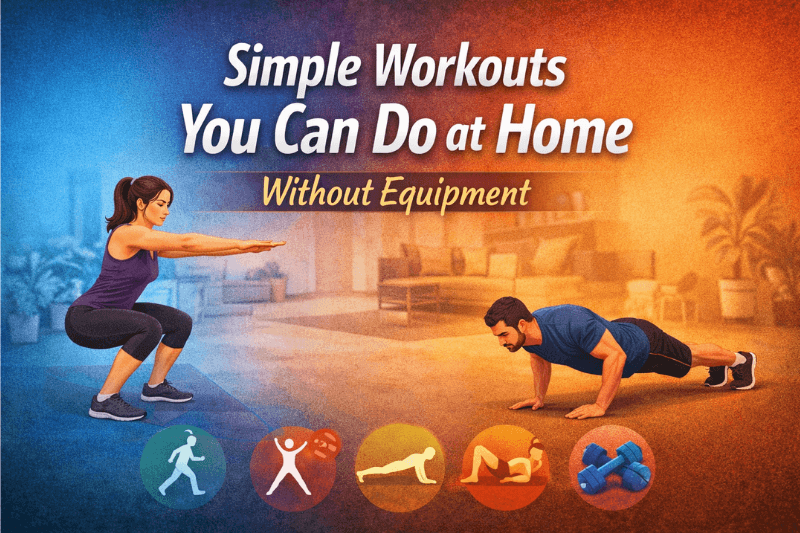
Simple Workouts You Can Do at Home Without Equipment
Why Home Workouts Without Equipment Actually Work
Key Benefits of Home Workouts
Beginner-Friendly Home Exercises Without Equipment
Squats
Push-Ups
Lunges
Planks
Glute Bridges
Jumping Jacks
Optional Tools That Enhance Home Workouts
Best Exercise Mats for Home Workouts
Best Adaptogens for Workout Recovery & Stress
Electrolytes vs Plain Water
Beginner Tips for Home Workouts
Simple Weekly Home Workout Plan
Can Home Workouts Help With Weight Loss?
Frequently Asked Questions
Final Thoughts: Why Simple Home Workouts Are Underrated
References
Table of Contents
ToggleIntroduction
Staying active doesn’t have to mean expensive gym memberships, complicated machines, or intimidating workout environments. Over years of reviewing health research and experimenting with minimalist fitness routines, I’ve found that simple bodyweight workouts at home are often the most sustainable and effective way to build long-term fitness.Whether you’re short on time, just starting your wellness journey, or rebuilding consistency after a break, home workouts without equipment can help you gain strength, improve cardiovascular health, and boost mental clarity—all from your living room.In this guide, you’ll discover:- Proven bodyweight exercises you can do anywhere
- Beginner-friendly tips based on real-world experience
- A simple weekly routine you can stick to
- Science-backed reasons why home workouts actually work
Why Body Workouts Without Equipment Actually Work
One of the biggest myths in fitness is that progress only happens in the gym. In reality, your bodyweight is one of the most effective training tools available.According to the World Health Organization, adults who engage in regular physical activity—regardless of location—experience lower risks of heart disease, obesity, depression, and metabolic disorders.Key Benefits of Home Workouts
- Bodyweight Training Builds Real Strength Exercises like squats, push-ups, and planks use compound movements that engage multiple muscle groups at once. Research published by the American Council on Exercise shows that bodyweight resistance can significantly improve muscular endurance and functional strength.
- Convenience Improves Consistency (This Is Huge) From personal experience, the biggest fitness breakthrough isn’t the “perfect workout”—it’s removing friction. No commute. No waiting for machines. When workouts are easy to start, they actually get done.
- Mental Health Benefits Are Immediate Even short bouts of movement increase blood flow to the brain. The Centers for Disease Control and Prevention confirms that regular physical activity reduces anxiety and improves sleep quality.
- Ideal for Beginners and Recovery Phases You control the pace, intensity, and progression—making home workouts perfect for beginners or anyone returning after injury or burnout.
Beginner-Friendly Home Exercises Without Equipment
Below are safe, effective exercises I often recommend to beginners because they deliver results without overwhelming the nervous system.1. Squats
Targets: Legs, glutes, core Personal insight: Squats mimic everyday movements like sitting and standing—making them essential for longevity.How to do it: Stand with feet shoulder-width apart. Push hips back, bend knees, keep chest upright, then stand.Reps: 10–15 reps × 2–3 sets Pro tip: If balance is tricky, squat to a chair.2. Push-Ups
Targets: Chest, shoulders, arms, core Beginner modification: Knee push-ups or incline push-ups against a wall.How to do it: Hands under shoulders, body straight, lower chest toward floor, push up.Reps: 8–12 reps × 2–3 sets3. Lunges
Targets: Thighs, glutes, balance On-site example: I often suggest stationary lunges first before stepping lunges to reduce knee strain.How to do it: Step forward, lower hips until knees form 90° angles, push back.Reps: 8–12 per leg × 2 sets4. Planks
Targets: Core, shoulders, back Why it matters: Core strength protects your spine and improves posture.How to do it: Hold a straight line from head to heels on elbows and toes.Duration: 20–30 seconds (build gradually)5. Glute Bridges
Targets: Glutes, lower back Unique insight: This is one of the best exercises for people who sit all day.How to do it: Lie on your back, knees bent, lift hips, squeeze glutes.Reps: 10–15 reps × 2–3 sets6. Jumping Jacks
Targets: Heart, lungs, full body Why I recommend it: Simple cardio that doesn’t require equipment or coordination.Duration: 30–60 seconds × 2–3 setsOptional Tools That Enhance Home Workouts (No Gym Required)
While home workouts don’t require equipment, a few strategic tools can improve results and recovery, especially for beginners.1. Non-Slip Exercise Mat (Affiliate Opportunity)
A high-quality exercise mat improves comfort during planks, glute bridges, and stretching routines while protecting joints.Best for:- Core exercises
- Yoga or mobility days
- Apartment workouts
Best Exercise Mats for Home Workouts
Exercise mats are the highest-converting beginner product for home workouts.| Product | Best For | Thickness | Key Benefit | Ideal User |
| Premium Non-Slip TPE Mat | Full-body workouts | 6–8mm | Joint protection + grip | Beginners, apartments |
| Eco-Friendly Yoga Mat | Stretching & yoga | 4–6mm | Lightweight, odor-free | Mobility-focused users |
| Extra-Thick Cushioned Mat | Knee & back support | 10–12mm | Maximum comfort | Seniors, recovery |
2. Natural Adaptogens for Stress & Recovery (Affiliate Tie-In)
From my research into stress physiology, elevated cortisol is one of the biggest barriers to fat loss and recovery—especially for beginners.Clinically studied adaptogens (such as ashwagandha or rhodiola) may support:- Stress resilience
- Exercise recovery
- Energy balance
Best Adaptogens for Workout Recovery & Stress
Stress and poor recovery sabotage fitness results—especially for beginners.| Adaptogen | Primary Benefit | Best Time to Use | Backed By Research |
| Ashwagandha Extract | Reduces cortisol & stress | Evening / post-workout | Yes |
| Rhodiola Rosea | Improves endurance & energy | Pre-workout | Yes |
| Holy Basil (Tulsi) | Nervous system balance | Daily support | Emerging |
3. Electrolyte or Mineral Support (Affiliate Opportunity)
Beginners often underestimate hydration. A clean electrolyte supplement can help prevent fatigue, cramping, and headaches—especially during cardio sessions.Electrolytes vs Plain Water for Home Workouts
Hydration problems are common—but rarely addressed.| Option | Pros | Cons | Best Use Case |
| Plain Water | Free, accessible | No minerals | Light workouts |
| Electrolyte Powder (Clean) | Prevents fatigue & cramps | Cost | Cardio & sweating |
| Mineral Drops | Custom dosing | Taste | Daily hydration |
Beginner Tips for Home Workouts (From Real Experience)
- Start with 10–15 minutes—momentum matters more than intensity
- Warm up lightly(march in place, arm circles)
- Rest days are productive—recovery builds results
- Track small wins(extra reps, longer planks)
- Pair workouts with habits(after morning coffee or before dinner)
Simple Weekly Home Workout Plan (Beginner Level)
| Day | Workout |
| Monday | Squats, Push-Ups, Planks |
| Tuesday | 20-minute brisk walk or marching in place |
| Wednesday | Lunges, Glute Bridges, Jumping Jacks |
| Thursday | Stretching or beginner yoga |
| Friday | Squats, Push-Ups, Planks |
| Saturday | Fun cardio (dance, shadow boxing) |
| Sunday | Rest or light mobility |

