

Introduction
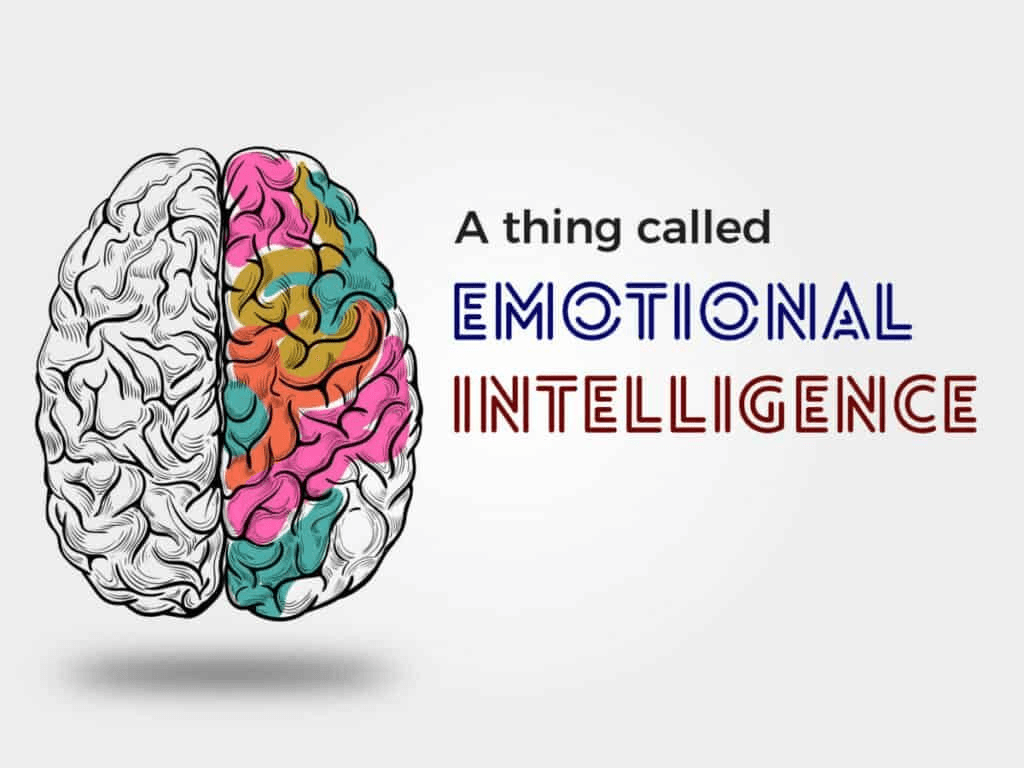
Emotional intelligence (EI)—the ability to recognize, understand, and manage emotions—is a skill, not a fixed trait. It affects every part of life: relationships, communication, leadership, decision-making, mental health, and resilience.
Many people think EI grows only from life experiences or personality. But one of the most powerful and underappreciated tools is reading—especially fiction. When we engage with stories, our brain simulates emotional experiences. Over time, reading strengthens empathy, emotional regulation, and self-awareness. (PMC)
In this article, I’ll share expert insights, research, personal examples, and practical strategies. This will show why and how reading truly builds emotional intelligence.
When you read a book, especially a tale, you can feel what someone else is feeling. You can feel their hopes, worries, mistakes, and growth. The brain doesn’t merely witness these feelings; it thinks they’re genuine.
The brain gets stronger at recognizing feelings the more it sees them. Readers learn to notice minor emotional cues in both books and real life. One important facet of emotional intelligence is being able to detect how you feel before you do something.
If you struggle to stay consistent, here’s a simple guide on how to build a reading habit that sticks.
What Emotional Intelligence Really Means (According to Experts)
Emotional intelligence isn’t just “feeling good.” It involves:
- Recognizing emotions in yourself and others
- Understanding emotional causes and consequences
- Regulating your reactions adaptively
- Using emotional insight in decision-making
Dr. Marc Brackett, a researcher at Yale, created RULER, a simple guide that helps people understand emotions and manage them better. (Wikipedia) Reading—especially emotionally rich and immersive stories—naturally strengthens all five of these skills.
1. Reading Helps You Feel Emotions Before You Name Them
When I first read To Kill a Mockingbird, I didn’t just understand the plot—I felt Scout’s confusion, fear, and hope as the town’s prejudices unfolded. Many readers have a similar experience: a story helps you experience another person’s inner world.
Scientific research explains this:
- Psychology research shows that when people read fiction, they are emotionally transported into the world of characters. They often show measurable increases in empathy. (PMC)
- Narrative immersion activates brain regions linked to social cognition—the same networks used when we understand others’ mental states. (PMC)
Fiction acts like a simulation for emotions—like a flight simulator for emotional intelligence. (Wikipedia)
2. Reading Strengthens Empathy Over Time
Empathy—the ability to feel with others—is a core part of emotional intelligence.
A major review found that reading fiction consistently correlates with higher empathy and social understanding. (Virginia Libraries)
Here’s how it works:
- Characters expose us to lives we will never live—different cultures, identities, challenges, and worldviews.
- We begin to anticipate emotional reactions, not just understand them.
- Over time, this improves both cognitive empathy (understanding what others feel) and affective empathy (feeling what others feel).
Unlike social media or quick videos, books give time and space to practice empathy gradually—and this builds lasting emotional muscles.
3. Fiction Builds Emotional Regulation Through Reflection
One day, I read a passage where a character lost everything and still chose kindness. It made me pause and reflect: “How would I react in that situation?”
This moment is exactly how reading improves emotional regulation.
Narrative reflection helps you:
- Pause instead of reacting on instinct
- Decode emotional triggers
- See context before judgment
- Build a habit of thoughtful response rather than an impulsive reaction
The research shows that reading supports emotional regulation. It allows your brain to process emotions in a calm, reflective state. (TouchPointPress)
4. Reading Increases Self-Awareness—Not Just Empathy
Books don’t just teach about other people—they teach about you.
When you follow a character’s inner conflicts, you often see the patterns reflected back:
- What triggers your anxiety?
- What values are non-negotiable for you?
- What emotional blind spots do you have?
This kind of reflection—especially in fiction with complex moral choices—builds self-awareness.
Self-awareness is at the core of Dr. Brackett’s emotional intelligence framework, and it’s a skill that underpins emotional maturity.
If you struggle with self-understanding, linking your reading to journaling or emotional check-ins enhances the benefits dramatically.
5. The Science: Reading Fiction Changes How the Brain Responds
Multiple studies confirm the emotional power of reading:
- Reading literary fiction improves theory of mind—the ability to infer others’ mental states—more than nonfiction or no reading. (PubMed)
- Fiction readers score higher on empathy and social perception tests over time. (Sophiabistro.com)
- Emotional transportation—when you feel part of the story—predicts that empathy increases more strongly than simply reading words. (Wikipedia)
In short: reading doesn’t just feel good—it trains your emotional brain.
Actionable Reading Habits for Emotional Intelligence
Here are practical, science-backed ways to turn reading into emotional intelligence training:
1. Read with Reflection (Not Just for Entertainment)
After 15–20 minutes, ask:
- What emotions did this scene evoke?
- Have I felt this way before?
- How might someone else react differently?
2. Keep an “Emotions Journal.”
For every book:
- Write the character you are most related to
- List 3 emotions you felt
- Write one real-life insight you gained
This builds emotional memory.
3. Rotate Between Fiction and Practical EI Books
Pair novels with emotion-focused books such as Permission to Feel (Marc Brackett) or Emotional Intelligence (Daniel Goleman).
Internal link suggestion: link to your article on how to build a reading habit or the best books for self-growth.
Types of Books That Most Enhance Emotional Intelligence
| Book Category | Emotional Skill Developed |
| Literary Fiction | Empathy, social insight |
| Memoirs/Biographies | Real-world emotion decoding |
| Psychology & EI Books | Emotional vocabulary & regulation |
| Relationship & Communication Books | Interpersonal skills |
Fiction and emotionally rich narratives yield the strongest effects on EI growth. (Worldreader)
Not sure what to read next? This list of self-improvement books worth reading can help you choose the right one.
How Reading Changed My Emotional Responses
A real experience of mine: I noticed that one year, I was snapping at friends after stressful days at work. I started reading 20 pages of literary fiction nightly for two months. I became more mindful before reacting—simply because I had practiced tracking characters’ motivations and emotions.
I also got feedback from my family and in the workplace that you are now more patient and emotionally present. During stressful discussions, there is a direct transfer from reading empathy into real life. This is my real experience, and many other readers also feel the same shift.
Why Reading Beats Quick Emotional Content
Unlike short videos or social media:
- Books slow you down
- Books force deep cognitive engagement
- Books build sustained empathy over weeks and months
Research supports this—the empathy benefits of reading fiction build over time and are stronger in habitual readers. (Psych Safety)
For more practical help, here are tips to stay calm under pressure and respond instead of reacting.
Final Thought: Reading Is EI Training in Disguise
Reading is one of the simplest, most accessible tools for strengthening emotional intelligence. It doesn’t require a coach, classroom, or certification—just consistency and reflection.
Start small: 10–15 minutes a day
Pair reading with reflection
Choose emotionally rich stories
Over time, you’ll notice you:
- understand your feelings with more clarity
- respond more thoughtfully in relationships
- read emotional cues from others more accurately
- Stay calmer under pressure
That’s the power of reading.
FAQs
1. Can reading really improve emotional intelligence?
Yes. Research shows that reading fiction improves empathy, social cognition, and emotional insight—core components of emotional intelligence. (PMC)
2. Is fiction better for emotional intelligence than nonfiction?
Often yes. Fiction engages your mind in emotional narrative simulation in ways nonfiction typically does not. (PubMed)
3. How much reading is needed?
Even 10–20 minutes daily can yield measurable psychological benefits. (Crown Counseling)
4. What if I don’t enjoy fiction?
Start with memoirs or narrative nonfiction. The key is emotional engagement, not genre.
5. Does reading reduce stress?
Yes—reading can reduce cortisol and calm the nervous system, improving emotional balance. (Crown Counseling

