
Table of Contents
Toggle7 Chakra Meditation for Inner Peace and Emotional Balance: A Complete Beginner’s Guide
Modern life has become faster than ever before. Many people wake up feeling mentally overloaded, emotionally drained, and disconnected from themselves. Constant digital exposure, stressful work routines, unhealthy habits, and lack of quiet time can disturb our natural sense of peace.
While physical health receives much attention, emotional and mental wellness are equally important for living a balanced life.
For thousands of years, ancient yogic traditions have explained that human well-being is connected not only with the body but also with our inner awareness and energy flow. One powerful practice used for creating harmony between body, mind, and emotions is 7 Chakra Meditation for Inner Peace and Emotional Balance.
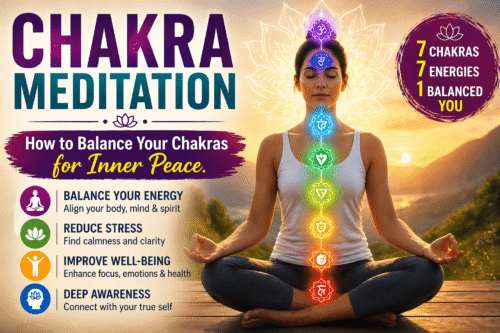
Chakra meditation combines mindful breathing, focused attention, visualization, and self-awareness. This practice is believed in traditional yoga philosophy to balance the seven major energy centers located along the spine.
Regular practice may help you experience:
- A calmer mind
- Better emotional awareness
- Improved relaxation
- Positive thinking
- A deeper connection with yourself
In this complete guide, you will learn the meaning of the seven chakras, their connection with emotional wellness, how to practice chakra balancing meditation, and simple daily techniques to bring more peace into your life.
What Is 7 Chakra Meditation?
7 Chakra Meditation for Inner Peace and Emotional Balance is a mindfulness-based practice inspired by ancient Indian yoga traditions. The word “chakra” comes from Sanskrit and means “wheel” or “circle.”
According to traditional yoga philosophy, chakras are energy centers that influence different aspects of our physical, emotional, and spiritual experiences.
The seven main chakras are located from the base of the spine to the top of the head:
- Root Chakra
- Sacral Chakra
- Solar Plexus Chakra
- Heart Chakra
- Throat Chakra
- Third Eye Chakra
- Crown Chakra
During chakra meditation, practitioners focus attention on each energy center using:
- Deep breathing
- Visualization
- Positive affirmations
- Body awareness
- Mindfulness
The purpose is to encourage relaxation, self-reflection, and harmony within yourself.
The Ancient Connection Between Yoga and Chakras
The chakra system comes from ancient yogic knowledge described in traditional Indian texts. Yoga teaches that wellness involves a connection between:
- Body
- Breath
- Thoughts
- Emotions
- Awareness
Chakra practices are often combined with:
- Yoga postures
- Pranayama breathing
- Meditation
- Mindfulness
When practiced regularly, these methods encourage greater awareness of your physical sensations, emotions, and thoughts.
Simple Yoga Practices for Daily Energy and Natural Wellness explains gentle yoga moves, breathing exercises, and mindful routines. These practices can boost daily energy and support overall wellness.
The Science Behind Chakra Meditation and Relaxation
Modern science does not confirm chakras as physical structures in the body. The elements used in 7 Chakra Meditation for Inner Peace and Emotional Balance—such as mindfulness, breathing exercises, and relaxation techniques—have been studied for their positive effects.
Meditation practices may support:
1. Stress Management
Slow breathing and mindful attention activate relaxation responses in the body. This helps calm mental activity and encourages peaceful awareness.
2. Emotional Regulation
Meditation teaches you to observe emotions instead of immediately reacting to them. Over time, this awareness can support better emotional control.
3. Improved Focus: Training your attention during meditation strengthens your ability to remain present.
4. Better Mind-Body Connection
Meditation encourages you to notice physical sensations, breathing patterns, and emotional changes.
Scientific research on the benefits of mindfulness meditation by the National Institutes of Health explains ongoing research about meditation practices, stress reduction, relaxation, and overall wellness.
Understanding the Seven Chakras and Their Meanings
Each chakra represents different qualities according to yogic tradition. Understanding these energy centers helps make your meditation practice more meaningful.
1. Root Chakra (Muladhara) – Foundation and Stability
Location: Base of spine
Color: Red
Element: Earth
The root chakra represents your foundation, security, and connection with the physical world.
A balanced Root Chakra is traditionally associated with:
- Stability
- Confidence
- Feeling grounded
- Inner strength
When practicing Root Chakra meditation, imagine a warm red light at the base of your spine.
Positive affirmation:
“I am safe, stable, and supported.”
Grounding activities:
- Walking in nature
- Gentle yoga
- Deep breathing exercises
2. Sacral Chakra (Svadhisthana) – Creativity and Emotions
Location: Below the navel
Color: Orange
The Sacral Chakra is connected with creativity, emotions, and personal expression.
A balanced Sacral Chakra represents:
- Emotional openness
- Joy
- Creativity
- Healthy relationships
Meditation practice:
Imagine orange energy flowing gently through your lower abdomen.
Affirmation:
“I accept my emotions and allow creativity to flow.”
3. Solar Plexus Chakra (Manipura) – Confidence and Inner Power
Location: Upper abdomen
Color: Yellow
The Solar Plexus Chakra represents confidence, motivation, and personal strength.
When balanced, it encourages:
- Self-belief
- Discipline
- Motivation
- Positive decision-making
Visualization:
Imagine a bright yellow light like the sun spreading warmth.
Affirmation:
“I trust myself and my abilities.”
4. Heart Chakra (Anahata) – Love, Compassion, and Emotional Healing
Location: Center of the chest
Color: Green
Element: Air
The Heart Chakra, known as Anahata Chakra in Sanskrit, represents love, kindness, forgiveness, and emotional connection.
In yogic philosophy, the Heart Chakra acts as the bridge between the lower physical chakras and the higher spiritual chakras. When this energy center feels balanced, many people experience more compassion toward themselves and others.
A balanced Heart Chakra is associated with:
- Self-love
- Forgiveness
- Emotional acceptance
- Compassion
- Healthy relationships
Modern life sometimes causes emotional stress because people hold on to past experiences, disappointment, or negative emotions. Heart Chakra meditation encourages gentle awareness and emotional release.
Heart Chakra Meditation Practice
Sit comfortably and bring your attention to your chest area.
Imagine a peaceful green light expanding with every breath.
As you breathe deeply, silently repeat:
Affirmation:
“I give and receive love freely.”
You can also practice gratitude by thinking about people, experiences, or moments that bring happiness into your life.
5. Throat Chakra (Vishuddha) – Communication and Self-Expression
Location: Throat area
Color: Blue
The Throat Chakra is connected with communication, honesty, and expressing your true thoughts.
A balanced throat chakra supports the following:
- Clear communication
- Confidence in speaking
- Creative expression
- Honest conversations
Many people suppress their thoughts due to fear, judgment, or lack of confidence. Mindfulness practices encourage awareness of these emotions.
During 7 Chakra Meditation for Inner Peace and Emotional Balance, focusing on the throat chakra helps create space for authentic self-expression.
Throat Chakra Meditation Practice
Focus your attention gently on your throat.
Visualize a calming blue light.
Practice slow breathing.
Repeat:
Affirmation:
“My words are clear, kind, and truthful.”
6. Third Eye Chakra (Ajna) – Awareness and Inner Wisdom
Location: Between eyebrows
Color: Indigo
The Third Eye Chakra is traditionally associated with:
- Intuition
- Imagination
- Self-awareness
- Inner wisdom
In modern mindfulness practice, developing awareness means learning to observe your thoughts clearly without being controlled by them.
Meditation strengthens your ability to slow down mental distractions and improve concentration.
A balanced Third Eye Chakra represents:
- Clear thinking
- Reflection
- Mental focus
- Awareness
Third Eye Meditation Practice
Close your eyes and focus gently between your eyebrows.
Imagine an indigo-colored light.
Allow thoughts to come and go naturally without judgment.
Repeat:
Affirmation:
“I trust my inner wisdom.”
7. Crown Chakra (Sahasrara) – Consciousness and Inner Connection
Location: Top of the head
Color: Violet or white
The Crown Chakra represents higher awareness and connection with something greater than ourselves.
Different traditions describe this connection in different ways, such as:
- Universal awareness
- Spiritual growth
- Inner peace
- Higher consciousness
Crown Chakra meditation encourages quiet reflection and a peaceful state of mind.
A balanced Crown Chakra is traditionally connected with:
- Wisdom
- Gratitude
- Peacefulness
- Purpose
Crown Chakra Meditation Practice
Imagine a gentle violet light above your head.
Relax your breathing.
Allow yourself to experience stillness.
Repeat:
Affirmation:
“I am peaceful, aware, and connected.”
How to Practice 7 Chakra Meditation for Beginners (Step-by-Step Guide)
Starting 7-chakra meditation for inner peace and emotional balance does not require special experience. Anyone can begin with a few minutes each day.
Step 1: Create a Peaceful Meditation Space
Choose a quiet place where you will not be disturbed.
You may use:
- A yoga mat
- Meditation cushion
- Soft lighting
- Relaxing natural sounds
A comfortable environment helps your mind associate that space with relaxation.
Step 2: Begin With Deep Breathing
Before focusing on chakras, calm your nervous system.
Try this simple breathing method:
- Inhale slowly through your nose
- Allow your abdomen to expand
- Exhale gently
- Release tension from your shoulders and face
Continue for a few minutes.
Easy pranayama breathing techniques for relaxation explain how traditional yogic breathing practices support relaxation, focus, and a calmer meditation experience.
Step 3: Move Slowly Through Each Chakra
Start from the Root Chakra and move upward.
Spend 1–3 minutes focusing on each:
- Root – Stability
- Sacral – Creativity
- Solar Plexus – Confidence
- Heart – Compassion
- Throat – Expression
- Third Eye – Awareness
- Crown – Peace
Visualize each chakra color and repeat positive affirmations.
Step 4: Finish With Gratitude
Before ending meditation:
- Notice your breathing
- Observe your feelings
- Appreciate the moment
Slowly open your eyes.
Avoid rushing immediately into daily activities.
Chakra Meditation and Stress Relief: The Mind-Body Connection
Stress affects both the mind and body. When stress continues for a long time, many people experience:
- Restlessness
- Poor concentration
- Emotional reactions
- Muscle tension
- Difficulty relaxing
Meditation practices help create moments of stillness.
Regular meditation encourages:
- Better awareness
- More patience
- Improved emotional response
- Relaxation
The American Psychological Association explains how mindfulness-based practices are researched for stress management, emotional regulation, and psychological well-being.
Best Yoga Practices to Support Chakra Balance
Yoga and chakra meditation naturally complement each other.
Gentle yoga movements prepare your body for longer meditation by reducing stiffness and improving comfort.
Helpful practices include:
Restorative Yoga
Slow, relaxing poses encourage deep rest and nervous system relaxation.
Learn gentle restorative yoga poses designed to promote relaxation, reduce stress, and create a peaceful mind-body connection.
Body Awareness Meditation
Body awareness practices help you notice sensations and release stored physical tension.
Anchor Text: Body scan meditation for stress relief and better sleep
A beginner-friendly body scan meditation for stress relief and better sleep guide explaining how body awareness can encourage relaxation before sleep.
Helpful Tools for Chakra Meditation Practice
You can practice meditation without equipment. However, some tools may improve comfort and consistency.
1. Meditation Cushion
The best meditation cushion for daily mindfulness practice, the cushion improves sitting posture and helps beginners stay comfortable during longer sessions.
2. Organic Yoga Mat
An eco-friendly organic yoga mat for meditation and yoga provides a comfortable foundation for meditation, stretching, and breathing exercises.
3. Meditation Journal
Writing your thoughts after meditation helps track emotional changes, gratitude, and personal growth.
4. Singing Bowl
Tibetan singing bowls for peaceful meditation practice are traditionally used to create a calming environment for relaxation.
Common Mistakes Beginners Make During Chakra Meditation
Expecting Immediate Results
Meditation develops gradually. Benefits usually come through regular practice.
Trying Too Hard to Feel Energy
Simply focus on breathing and awareness. Avoid forcing experiences.
Practicing Irregularly
Short daily sessions are usually better than occasional long sessions.
Ignoring Physical Comfort
Choose a comfortable sitting position to prevent unnecessary distractions.
Frequently Asked Questions About 7 Chakra Meditation
What is the purpose of chakra meditation?

The purpose is to develop awareness, relaxation, and a feeling of balance through focused attention and breathing.

How long should beginners practice chakra meditation?

Beginners can start with 10–15 minutes daily and slowly increase the duration.

Which chakra should I focus on first?

Traditional chakra meditation usually begins with the Root Chakra because it represents grounding and stability.

Can chakra meditation help with stress?

Chakra meditation includes mindfulness and breathing techniques that may support relaxation and stress management.

What is the best time for chakra meditation?

Morning meditation helps start the day with clarity, while evening practice may support relaxation before sleep.
Final Thoughts: Creating Inner Harmony Through Chakra Meditation
7 Chakra Meditation for Inner Peace and Emotional Balance is a simple yet meaningful practice that combines ancient yogic wisdom with mindful awareness.
By focusing on your breath, thoughts, emotions, and inner experience, you create time to reconnect with yourself.
The journey is not about perfection. It is about developing patience, awareness, and kindness toward yourself.
A few peaceful minutes each day can gradually create positive changes in your emotional wellness, focus, and overall quality of life.

