
Table of Contents
ToggleIntroduction: Why Holistic Living Matters More Than Ever
Have you ever felt overwhelmed by the endless stream of health advice online? One article recommends a strict diet, another promotes an intense workout plan, while social media constantly introduces the latest wellness trend. With so much conflicting information, it’s easy to feel confused about where to begin.
The truth is that good health doesn’t usually come from one miracle diet, one exercise routine, or one supplement. Lasting wellness grows from the small choices we make every day. That is the heart of holistic living—a lifestyle that nurtures your body, mind, emotions, relationships, and environment together rather than treating them as separate parts of life.
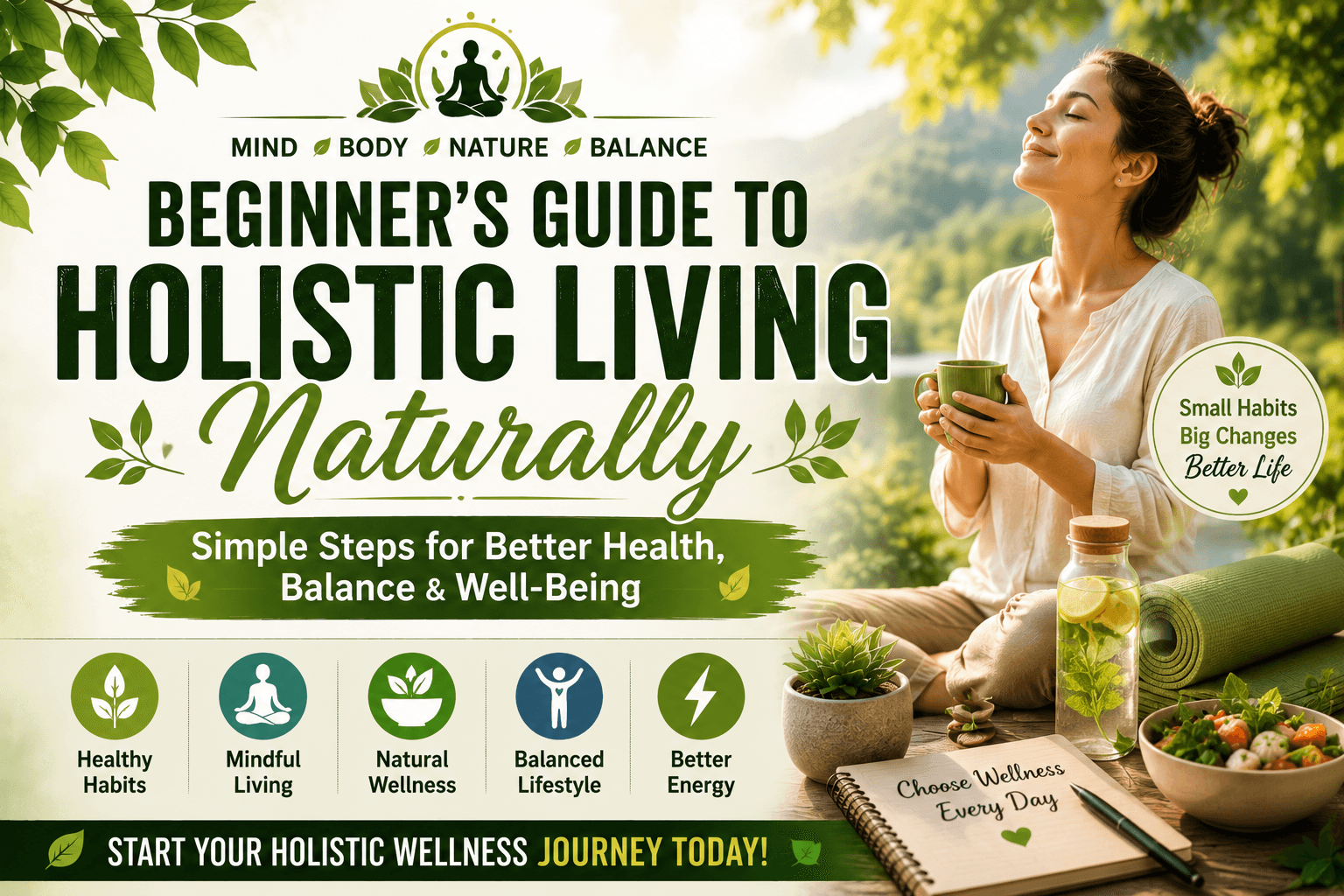
A beginner’s guide to holistic living naturally starts with a simple understanding: true well-being is about creating balance. It means eating nourishing foods, moving your body regularly, managing stress, sleeping well, building meaningful relationships, and making time for activities that bring peace and purpose.
At BenVitalFive, we believe that wellness is built on five powerful pillars:
Yoga
Meditation
Physical activity
Reading for lifelong learning
Healthy nutrition
These pillars work together to help people live healthier, happier, and more fulfilling lives.
One lesson that has deeply influenced the philosophy of BenVitalFive comes from observing healthy rural communities in Tamil Nadu. Many people there lived active lives without expensive gyms or complicated fitness plans. Their days naturally included walking, farming, home-cooked meals, meaningful social connections, regular physical work, and time spent outdoors. Their lifestyles demonstrated that wellness often grows from consistent, simple habits rather than costly wellness trends.
You don’t need to change your entire life overnight. Even one positive habit—such as taking a morning walk, drinking more water, or practicing five minutes of mindful breathing—can become the first step toward a healthier future.
In this guide, you’ll discover practical, science-informed strategies that make holistic living achievable, affordable, and sustainable. Whether you’re just beginning your wellness journey or looking to create healthier daily routines, these simple steps can help you build lasting habits that support your whole well-being.
What Is Holistic Living?
Holistic living is a lifestyle that recognizes the deep connection between every aspect of your health. Instead of focusing on one area—such as weight loss or exercise—it considers how your physical, mental, emotional, social, and environmental well-beings influence one another.
Imagine your health as a wheel with several spokes. If one spoke becomes weak, the wheel loses balance. In the same way, neglecting sleep, ignoring stress, or eating poorly can affect many other parts of your life, even if you exercise regularly. Holistic living aims to strengthen every spoke so the entire wheel rolls smoothly.
A holistic lifestyle typically includes:
Caring for your physical health through regular movement and nourishing food.
Supporting your mental well-being with mindfulness, lifelong learning, and positive thinking.
Managing emotions in healthy ways through self-awareness and stress reduction.
Building supportive relationships with family, friends, and community.
Creating healthy daily routines that encourage consistency rather than perfection.
Spending time in natural environments to reconnect with yourself and reduce stress.
Rather than chasing quick fixes, holistic living encourages long-term habits that improve your quality of life over time.
Progress, Not Perfection
One of the biggest misconceptions about holistic wellness is that you must follow a perfect routine every day. In reality, holistic living is flexible. It adapts to your lifestyle, your health needs, and your personal goals.
For example, if you miss a workout, you can still nourish your body with healthy meals and prioritize restful sleep. If work becomes stressful, a few minutes of deep breathing or a short walk outdoors can help restore balance. Small, consistent actions often have a greater long-term impact than occasional dramatic changes.
Why More People Are Choosing Holistic Living
Over the past decade, more people have begun looking beyond temporary health trends. Instead of searching for quick solutions, they want sustainable habits that improve both physical and emotional well-being. Several modern lifestyle challenges have contributed to this growing interest:
Busy Lifestyles: Many people spend long hours sitting at desks, commuting, or looking at digital screens. These routines often leave little time for exercise, healthy meals, or relaxation. Holistic living encourages simple practices that fit into everyday life rather than demanding major lifestyle changes.
Rising Stress Levels: Work responsibilities, financial pressures, family commitments, and constant notifications can make stress feel unavoidable. While some stress is normal, chronic stress can affect sleep quality, digestion, concentration, and emotional health. Developing healthy coping strategies is an important part of holistic wellness.
Poor Sleep Habits: Late-night screen use, irregular schedules, and busy minds often interfere with restful sleep. Quality sleep allows the body to recover, supports immune function, improves mood, and enhances mental clarity.
Information Overload: Every day, people are exposed to countless opinions about diets, supplements, fitness programs, and wellness products. Holistic living simplifies this complexity by focusing on timeless healthy habits that have supported human well-being for generations.
A Desire for Better Balance: Many people now understand that career success by itself does not guarantee happiness. It also does not guarantee good health. Holistic wellness encourages balance between work, family, personal growth, recreation, and self-care.
The Science Behind Holistic Living
Although holistic living often emphasizes natural habits, many of its principles are supported by scientific research. Instead of relying on one single solution, holistic wellness combines several evidence-based lifestyle factors that work together.
Regular Physical Activity: Consistent movement helps improve cardiovascular health. This also supports healthy muscles and bones, enhances mood, and reduces the risk of many chronic conditions. Even moderate activities such as walking, cycling, or gardening contribute to better long-term health. According to the CDC physical activity guidelines, adults benefit from regular aerobic activity. It also helps to add muscle-strengthening exercises each week for long-term health.
Balanced Nutrition: Eat a mix of fruits, vegetables, whole grains, lean proteins, healthy fats, and legumes. This gives your body the nutrients it needs to work well. A balanced diet supports energy, brain function, digestion, and immune health. A balanced eating pattern rich in fruits, vegetables, whole grains, healthy fats, and lean protein supports overall health. The World Health Organization’s healthy lifestyle recommendations encourage you to eat a varied diet. They also recommend limiting added sugar, salt, and unhealthy fats.
Mindfulness and Meditation: Mindfulness practices encourage greater awareness of thoughts and emotions without judgment. Regular meditation has been associated with reduced stress, improved focus, and better emotional regulation.
Restorative Sleep: Sleep is when your body repairs tissues, consolidates memories, regulates hormones, and strengthens immune function. Adults generally benefit from seven to nine hours of quality sleep each night.
Social Connections: Meaningful relationships provide emotional support during life’s challenges. Positive social interactions have been linked with improved mental health, greater resilience, and increased overall life satisfaction.
These healthy habits are not isolated; they influence one another in powerful ways. Better sleep improves mood, which makes it easier to stay active. Regular exercise can reduce stress, making mindfulness more effective. Nutritious meals support energy levels that encourage physical activity. Together, these habits create a positive cycle of wellness.
The Five Pillars of Holistic Living (BenVitalFive Philosophy)
At BenVitalFive, holistic wellness is built around five simple but powerful pillars. Each one supports the others, creating a balanced approach to lifelong health.
1. Yoga: Building Strength, Flexibility, and Inner Balance
Yoga combines gentle movement, controlled breathing, and mindful awareness. It helps improve flexibility, posture, balance, and relaxation while encouraging a stronger connection between body and mind. Whether practiced for ten minutes or an hour, it offers incredible physical and mental benefits. If you are new to yoga, read our guide on Yoga for Beginners: Simple Poses. It shows you simple poses. It helps you build strength and flexibility safely.
2. Meditation: Cultivating Mental Clarity
Meditation teaches us to slow down in a fast-moving world. A few minutes of mindful breathing each day can help calm the mind. It also reduces mental clutter and improves emotional resilience. Regular meditation is not about emptying your thoughts. Instead, it helps you observe them with greater awareness and compassion.
3. Physical Activity: Moving Your Body Every Day
Physical activity does not always mean intense, exhausting workouts. Walking your dog, climbing stairs, gardening, dancing, or cycling all contribute to better health. The goal is to make movement a natural, enjoyable part of everyday life rather than an occasional, forced event.
4. Reading: Nourishing the Mind
One unique feature of BenVitalFive’s philosophy is the vital importance of lifelong learning. Reading expands knowledge, stimulates creativity, strengthens memory, and reduces stress. Whether you enjoy inspirational books, biographies, or wellness guides, regular reading supports mental growth alongside physical health. Just fifteen to twenty minutes of reading each day can become a highly valuable wellness habit.
5. Healthy Nutrition: Fueling Your Body Naturally
Food is more than calories—it is information and fuel for your body. Mixed fruits, fresh vegetables, whole grains, healthy fats, and quality proteins provide key nutrients. These nutrients support energy, immunity, and overall wellness. Healthy eating is not about strict restrictions; it is about making nourishing choices most of the time.
Core Habits to Begin Your Journey
If you want to put these pillars into practice, start with these foundational daily lifestyle habits.
Foundational Habit 1: Prioritise Daily Movement
Your body is designed to move. Yet many people spend most of their day sitting at a desk, driving, or looking at screens. Over time, a sedentary lifestyle can lower energy. It can weaken muscles, affect posture, and raise the risk of many health conditions.
Choose activities you genuinely enjoy, such as walking around your neighbourhood, gentle stretching, home yoga, cycling, or gardening. When exercise feels like a pleasant part of your day rather than a chore, you’re more likely to continue. Remember, consistency is far more important than intensity. A 30-minute walk, five days a week, is often better than one exhausting workout and several inactive days.
Benefits of Daily Movement: Improves heart health, increases energy levels, strengthens muscles and bones, supports healthy weight management, and promotes better sleep.
Foundational Habit 2: Focus on Balanced Nutrition and Hydration
Instead of following strict diets or chasing popular food trends, try holistic living. It supports balanced, nourishing meals. This helps you stay healthy over the long term. Aim to build a colorful plate filled with fresh vegetables, seasonal fruits, whole grains, lentils, beans, and healthy fats. If you’re unsure how to build balanced meals, the Harvard Healthy Eating Plate offers a practical visual guide. That emphasises vegetables, fruits, whole grains, healthy protein, and healthy oils.
Pair this with mindful eating—slowing down, chewing thoroughly, and recognizing hunger cues—to drastically improve your digestion and relationship with food.
Finally, never overlook hydration. Water supports nearly every function in your body, including circulation and joint health. If you struggle to drink enough each day, read our guide on The Importance of Hydration for Overall Health. It offers practical tips to make hydration a daily habit. Try to apply the 80/20 principle: make nutritious choices about 80% of the time. While allowing flexibility for celebrations and favorite treats.
Foundational Habit 3: Practice Mindfulness and Stress Management
One of the greatest challenges of modern life is that our minds are constantly busy. Mindfulness helps gently bring our attention back to what is happening right now. It doesn’t require sitting silently for an hour; even a few minutes of deep breathing, guided meditation, or gratitude journaling can have meaningful benefits.
To experience how science supports this, take a look at our deep dive into The Science of Mindfulness and Brain Health.
When stress hits, direct your energy toward what you can control. Instead of worrying endlessly about “becoming healthier,” start with a ten-minute walk today. Small actions gradually replace anxiety with confidence.
Foundational Habit 4: Create Healthy Sleep Habits
The National Medical Journal of India recommends that consistent sleep schedules and good sleep hygiene are important for physical and mental well-being. Sleep is often the most overlooked part of wellness. Many people try to improve their health through better nutrition and exercise while sacrificing rest. However, poor sleep can affect nearly every aspect of physical and mental well-being.
To improve your sleep quality naturally, establish a consistent sleep schedule, reduce screen time at least one hour before bed, and keep your bedroom cool and quiet. A calming bedtime routine—like dimming the lights, drinking herbal tea, and reading for fifteen minutes—signals to your body that it’s time to rest. For a deeper look at optimization strategies, read our expert recommendations on How to Sleep Better Naturally.
Powerful Strategies for Long-Term Success
To transition these habits from temporary changes into permanent elements of your lifestyle, keep these three strategies in mind:
1. Spend More Time in Nature
Modern life keeps many of us indoors, leaving us feeling mentally tired and disconnected. Nature offers a refreshing change of pace. Research shows that spending time in green spaces reduces stress and improves mood. Take morning walks in a local park, grow herbs on your balcony, or sit under a tree to read.
2. Master Habit Stacking
Your daily habits shape your future more than occasional big decisions. In Atomic Habits, James Clear explains that tiny improvements made consistently produce remarkable long-term results.
An effective strategy to build these is habit stacking: attaching a new habit to something you already do every day.
After brushing your teeth, practice one minute of deep breathing.
After breakfast, take a short walk.
Before bed, read ten pages of a book.
3. Build Meaningful Relationships
Health isn’t only about food and exercise; human connection plays an essential role in emotional and mental well-being. Supportive relationships reduce loneliness and improve emotional resilience. Share meals with family, call an old friend, or join a local walking group.
Importantly, maintain a healthy relationship with yourself through self-compassion, celebrating your progress, and forgiving your mistakes.
Holistic Living Doesn’t Have to Be Expensive
One of the biggest myths about wellness is that it requires expensive memberships, luxury retreats, or costly supplements. The truth is that many of the healthiest habits cost very little—or nothing at all. Walking outside, cooking simple home meals, practicing mindfulness, and borrowing books from your local library are completely free. Wellness begins with habits, not purchases.
If you do decide to purchase wellness accessories, begin with high-quality essentials that genuinely support your routine:
A durable, non-slip yoga mat
Comfortable, supportive walking shoes
A reusable stainless-steel water bottle
A meditation cushion or a simple gratitude journal
Invest only in products that encourage healthy routines instead of collecting items you rarely use. For a breakdown of the few items truly worth investing in, see our curated list of Essential Yoga Accessories for Beginners.
A Simple 7-Day Beginner Holistic Living Challenge
If you’re unsure where to begin, try this one-week challenge to build momentum.
Day 1: Hydrate Well – Drink an extra two glasses of water throughout the day.
Day 2: Move Your Body—Take an intentional 20–30 minute walk.
Day 3: Eat More Naturally – Include at least three colorful servings of vegetables in your meals.
Day 4: Practice Mindfulness – Spend five to ten minutes practicing a simple breathing exercise.
Day 5: Connect With Nature – Visit a local park or spend time outdoors without your phone.
Day 6: Read for Growth – Read twenty minutes from a book that inspires healthy living or personal development.
Day 7: Reflect and Plan – Write down what felt easiest, what challenged you, and which habit you want to keep next week.
Designing Your Daily Holistic Routine
You don’t need hours each day to improve your health. Even 30 to 60 minutes of intentional self-care, spread dynamically throughout the day, can make a massive difference.
Morning: Begin the Day with Purpose
The way you start your morning influences the rest of your day. Drink a glass of water to rehydrate, spend five minutes in quiet meditation, stretch gently, and enjoy a balanced breakfast. To take this layout further, explore our guide on creating a healthy morning routine for better energy and productivity.
Afternoon: Stay Active and Mindful
Long periods of sitting cause afternoon slumps. Stand up and stretch every hour, take a quick walking break after lunch, and stay hydrated. Swap out processed snacks for natural alternatives like fruit or nuts. For ideas on what to pack for work, review our list of healthy snacks that keep you energized throughout the day.
Evening: Prepare Your Body for Rest
Evenings provide an opportunity to slow down. Eat a lighter, balanced dinner, limit screen time an hour before bed, and write down three things you are grateful for to calm your mind before sleep.
Common Mistakes Beginners Should Avoid
Every wellness journey includes challenges. Understanding common mistakes can help you stay motivated and avoid unnecessary frustration:
Trying to change everything at once: Focus on one habit at a time. Small victories build lasting confidence.
Comparing yourself with others: Social media shows the highlights of other people’s journeys. Measure your progress against your own past, not someone else’s present.
Expecting immediate results: Lasting improvements in physical strength or emotional well-being often develop steadily over weeks and months. Trust the process.
Ignoring mental and emotional health: A healthy mind supports a healthy body. Make equal time for mindfulness, reading, and deep conversations.
Following every new wellness trend: Before investing time or money, ask yourself if it is supported by reliable evidence and fits your realistic lifestyle.
Frequently Asked Questions
Is holistic living suitable for everyone?
Yes. Holistic living is a flexible lifestyle rather than a strict, rigid program. Most people can easily adapt its principles to suit their age, health status, culture, and personal goals. If you have an underlying medical condition, consult a qualified healthcare professional before changing your routines.
Do I need expensive products to live holistically?
No. Walking, healthy home-cooked meals, mindfulness, reading, quality sleep, and spending time in nature cost virtually nothing. True wellness begins with consistent habits, not expensive purchases.
How long does it take to notice results?
Many people notice small, encouraging improvements in their mood, sleep quality, or daily energy levels within just a few weeks of practicing healthy habits consistently. Long-term health transformations—such as improved cardiovascular health, metabolic strength, and emotional resilience—build up beautifully over months and years of sustained dedication. Every healthy choice you make today is a direct investment in your future self.

