
Table of Contents
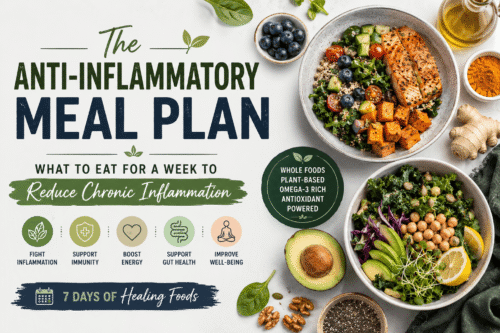
Toggle7-Day Anti-Inflammatory Meal Plan: Foods That Help Reduce Chronic Inflammation Naturally
Inflammation is one of the body’s most vital survival mechanisms. Without it, simple wounds would never heal, minor infections would spiral out of control, and the body would lose its ability to repair everyday cellular wear and tear. The real challenge begins when this natural defense system fails to turn off, remaining active long after the initial threat has passed.
Research by the National Institutes of Health. Suggests that ongoing, low-grade inflammation may cause long-term health problems by disrupting normal body functions over time. Most people think of inflammation only in terms of visible swelling and physical injury, but chronic inflammation can show up in more subtle ways: low energy that never quite bounces back, digestive imbalances, persistent joint discomfort, and a general dip in overall wellness..Food cannot magically switch inflammation on or off. No single fruit, spice, or supplement can “cure” inflammation. However, decades of nutrition research show that long-term eating patterns can influence inflammatory processes in the body.A balanced 7-Day Anti-Inflammatory Meal Plan includes colorful vegetables and fruits. It also includes whole grains and healthy fats. It uses herbs and spices. It focuses on fiber-rich foods. These foods help support your body’s natural balance.This simple weekly guide is not a restrictive diet. It is a practical way to build healthier eating habits using everyday ingredients.What Is Inflammation?
Inflammation is your immune system’s natural response to injury, irritation, or infection.There are two main types:Acute Inflammation
Acute inflammation is short-term and protective.Examples include:- Redness after a small injury
- swelling around a wound
- immune response during infection
Chronic Low-Grade Inflammation
Chronic inflammation happens when inflammatory signals continue for a longer period.Scientists continue to study how chronic inflammation may be associated with:- metabolic health concerns
- cardiovascular health
- digestive imbalance
- ageing processes
Foods to Reduce for Better Inflammatory Balance
A healthy diet is not about food anxiety or completely avoiding your favorite treats. Instead, the focus should be on systematically reducing the frequency of specific items that are known to irritate the gut and trigger systemic cellular stress over time.
- Added Sugars & Sweetened Beverages
Frequent consumption of sugary drinks, candies, and processed desserts causes sharp spikes in blood glucose levels. Over time, these repeated blood sugar surges activate inflammatory metabolic pathways and can overwork your insulin response.
Highly Refined Carbohydrates
Refined items like white bread, sugary breakfast cereals, and processed bakery foods have been stripped of their natural bran and fiber. Swapping these out for complex alternatives—such as oats, millets, and brown rice—helps maintain stable daily energy and protects your blood vessels from oxidative stress.
Ultra-Processed Packaged Foods
Many pre-packaged convenience meals are heavily loaded with sodium, chemical preservatives, and artificial emulsifiers. Choosing whole, fresh foods instead minimizes your exposure to these additives, which are heavily studied for their disruptive effects on gut lining integrity.
Excessively Fried Foods
Deep-frying foods at high temperatures alters the molecular structure of oils, frequently producing harmful compounds like advanced glycation end-products (AGEs). Utilizing traditional cooking methods like steaming, light roasting, grilling, or slow-simmering preserves the natural nutrients of your ingredients without generating inflammatory byproducts.
What Is an Anti-Inflammatory Diet?
An anti-inflammatory diet is not a temporary weight-loss plan.It is an eating pattern focused on foods that provide:- antioxidants
- dietary fibre
- vitamins
- minerals
- healthy fats
- natural plant compounds
Anti-Inflammatory Grocery Shopping List
A successful 7-day anti-inflammatory meal plan begins before cooking — it begins with choosing the right ingredients.The Anti-Inflammatory Grocery Masterlist
💡 Tip for the Reader: Take a quick screenshot of this table before heading to the store! Focusing your shopping around the perimeter of the grocery store where fresh, whole foods are kept is the easiest way to naturally lower your intake of ultra-processed items.
Food Group Anti-Inflammatory Powerhouses to Stock 🥬 Vegetables & Greens Spinach, Kale, Moringa leaves, Amaranth greens, Broccoli, Cauliflower, Red cabbage, Carrots, Sweet potatoes, Beetroot, Cucumber, Tomatoes 🍓 Fruits & Berries Blueberries, Strawberries, Pomegranates, Papaya, Oranges, Apples, Bananas, Limes, Pears 🌾 Whole Grains Rolled oats, Millets (e.g., Foxtail, Finger), Quinoa, Brown rice, 100% Whole-grain bread or Roti 🫘 Proteins & Legumes Lentils (Yellow/Red), Mung beans, Chickpeas, Eggs, Tofu, Lean chicken breast 🐟 Omega-3 Rich Seafood Fresh salmon, Mackerel, Sardines, Cod or other local white fish 🥑 Healthy Fats & Nuts Extra virgin olive oil, Tahini, Walnuts, Almonds, Chia seeds, Flaxseeds (ground), Pumpkin seeds, Avocados, Coconut milk 🧫 Fermented Foods Plain yogurt, Kefir, Traditional buttermilk (Lassi), Fermented Idli batter, Traditional homemade oil-free pickles 🪵 Spices, Herbs & Teas Turmeric, Ginger, Black pepper, Cinnamon, Cumin, Garlic, Fresh coriander/parsley, Tulsi (Holy basil), Green tea, Chamomile tea
The 7-Day Anti-Inflammatory Meal Plan
Day 1 — Reset with Fiber & Antioxidants
This foundational day focuses on flooding your system with diverse plant fibers, vibrant antioxidants, and clean omega-3 fatty acids to kickstart your body’s natural recovery processes.Breakfast (Blueberry Flaxseed Oats): Rolled oats cooked with a dash of cinnamon, topped with fresh blueberries, ground flaxseeds, and chopped walnuts. Wellness Benefit: Oats offer gut-friendly soluble fiber, while berries and flaxseed provide a potent hit of antioxidants and essential fats.Lunch (Lentil Dal with Brown Rice & Spinach): A comforting bowl of traditional yellow or red lentils tempered with turmeric, garlic, and cumin, stirred through with fresh spinach and served over brown rice. Wellness Benefit: A complete plant-based protein and fiber profile paired with time-tested anti-inflammatory spices.Dinner (Salmon with Sweet Potato & Broccoli): Grilled salmon fillet seasoned with herbs, served alongside roasted sweet potato wedges and steamed broccoli florets.Wellness Benefit: Delivers high-quality marine omega-3s (EPA/DHA) paired with sulfur-rich cruciferous vegetables that support liver detoxification.Snack: A handful of raw walnuts paired with a warm cup of antioxidant-rich green tea.Day 2 — Roots & Legumes for Sustained Energy
Root vegetables and legumes provide slow-release complex carbohydrates that stabilize blood sugar, preventing the inflammatory spikes associated with refined carbs.Breakfast (Golden Milk & Eggs): Two hard-boiled eggs paired with a fresh banana and a warm cup of golden turmeric milk (spiced with a pinch of black pepper and ginger). Wellness Benefit: High-quality protein combined with piperine from black pepper, which increases the bioavailability of turmeric’s active curcumin.Lunch (Chickpea Vegetable Stew): A hearty chickpea stew simmered with chopped tomatoes, carrots, onions, and fresh herbs, served with a 100% whole-grain roti or flatbread. Wellness Benefit: Rich in prebiotic fiber that feeds beneficial gut microbes, which in turn produce inflammation-lowering short-chain fatty acids.Dinner (Mackerel with Carrot Mash & Salad): Pan-seared mackerel served over a smooth carrot and ginger mash, accompanied by a crisp side salad dressed in extra virgin olive oil. Wellness Benefit: Provides another vital dose of omega-3 fats balanced by beta-carotene from the carrots.Snack: Crisp apple slices paired with one tablespoon of unsweetened almond butter.Day 3 — Green Foods for Natural Wellness
Green vegetables are nutritional powerhouses, loaded with magnesium, folate, and protective bioactive compounds that support cellular defense and mental clarity.Breakfast (Green Fiber Smoothie): A creamy blend of fresh spinach, half a banana, fresh ginger, chia seeds, and unsweetened coconut milk. Wellness Benefit: A refreshing, low-glycemic start packed with hydration, healthy fats, and a fiery hint of ginger to support digestion.Lunch (Mediterranean Quinoa Salad): Fluffy quinoa tossed with diced cucumber, juicy tomatoes, fresh parsley, squeezed lemon juice, and a generous drizzle of cold-pressed olive oil. Wellness Benefit: A gluten-free, complete plant protein that doubles down on monounsaturated fats from olive oil.Dinner (Mung Bean Soup with Kale & Toast): A warm, comforting whole mung bean soup slow-cooked with shredded kale and garlic, served with a slice of toasted artisanal whole-grain bread. Wellness Benefit: Deeply comforting and easily digestible protein that helps soothe the digestive tract.Snack: A square of dark chocolate (70% cocoa or higher) paired with a fresh orange.Day 4 — Healing Spices & Traditional Flavors
Today highlights traditional herbs and warming spices, which contain natural plant compounds that make nutrient-dense eating both flavorful and sustainable.Breakfast (Avocado Toast with Egg): A slice of toasted whole-grain bread topped with mashed avocado, a poached or fried egg, cracked black pepper, and fresh herbs. Wellness Benefit: Combines heart-healthy monounsaturated fats with high-quality protein to support long-term satiety and metabolic health.Lunch (Turmeric Vegetable Khichdi): A traditional, one-pot comfort meal of comforting mung dal and brown rice (or millets) slow-cooked with turmeric, cumin, ginger, and mixed vegetables, served with plain yogurt. Wellness Benefit: A highly digestible Ayurvedic classic that offers a perfect balance of protein, fiber, and soothing spices.Dinner (Baked Fish with Roasted Cauliflower): Fresh white fish (like cod or halibut) baked with coriander and garlic, paired with cauliflower florets roasted in olive oil and cumin. Wellness Benefit: Lean protein paired with antioxidant-rich brassica vegetables to curb cellular oxidative stress.Snack: Warm ginger-tulsi (holy basil) herbal tea served with a handful of raw pumpkin seeds.Day 5 — Gut Health & Fermentation
Your gut microbiome plays an indispensable role in regulating your immune system. This profile integrates traditional fermented foods to actively support your digestive ecosystem.Breakfast (Traditional Idli & Sambar): Steamed, naturally fermented rice-and-lentil cakes (idli) served with a vegetable-loaded lentil soup (sambar) and a dollop of fresh coconut chutney. Wellness Benefit: Fermentation naturally breaks down anti-nutrients, making vitamins and minerals far easier for your body to absorb.Lunch (Rainbow Grain Bowl): A vibrant bowl of millet or brown rice topped with roasted root vegetables, raw leafy greens, a spoonful of traditional fermented pickle, and a creamy tahini dressing. Wellness Benefit: Combines raw and cooked fibers with live probiotics to optimize gut microbial diversity.Dinner (Sardines on Whole-Grain Toast): Grilled or canned sardines served over whole-grain toast with a side salad of cucumber, mixed greens, and a light olive oil dressing. Wellness Benefit: Sardines are incredibly low in environmental toxins but extraordinarily high in tissue-repairing omega-3 fatty acids.Snack: A refreshing glass of homemade, unsweetened buttermilk (lassi) or kefir.Day 6 — Eat the Rainbow for Variety
Different colors in plants signify different protective phytochemicals. By filling your plate with a spectrum of color, you ensure your body receives a diverse defense network.Breakfast (Antioxidant Papaya Bowl): Freshly cubed papaya drizzled with fresh lime juice and topped with a crunch of chopped walnuts, almonds, and chia seeds. Wellness Benefit: Papaya contains *papain*, a natural enzyme that assists digestion, while lime adds protective vitamin C.Lunch (Red Lentil & Roasted Pepper Soup): A velvety soup made from red lentils, pureed roasted red bell peppers, carrots, garlic, and fresh herbs. Wellness Benefit: High in potassium and iron, this soup encourages healthy circulation and sustained afternoon energy without a sluggish crash.Dinner (Ginger Tofu Vegetable Stir-Fry): Firm tofu cubes stir-fried with broccoli florets, shredded red cabbage, fresh ginger, and garlic, served over a small bed of brown rice. Wellness Benefit: Plant-based isoflavones from tofu work alongside the potent anti-inflammatory compounds found in raw ginger and garlic.Snack: A cup of warm green tea served with a handful of raw almonds.Day 7 — Simplicity & Long-Term Consistency
A successful anti-inflammatory lifestyle is built on consistency, not culinary perfection. The final day relies on simple, low-stress meals that minimize kitchen burnout.Breakfast (Overnight Cinnamon Oats): Rolled oats soaked overnight in almond milk with cinnamon, chia seeds, and chopped nuts, topped with fresh pomegranate seeds in the morning. Wellness Benefit: Zero morning prep time yields a breakfast packed with slow-burning complex carbs and heart-healthy fats.Lunch (Clear Kitchen-Sink Vegetable Soup): A comforting broth using up your leftover vegetables from the week (carrots, greens, beans) simmered with herbs and a handful of cooked whole grains. Wellness Benefit: A nutrient-dense, hydrating meal that minimizes food waste while delivering a broad spectrum of leftover vitamins.Dinner (Herb-Grilled Chicken with Beetroot): Lean chicken breast grilled with rosemary and thyme, served alongside earthy, roasted beetroot slices and steamed seasonal greens. Wellness Benefit: Clean protein paired with betalains—the unique pigments in beetroot known for their powerful vascular and antioxidant support.Snack: A sweet, juicy pear paired with a soothing mug of hot chamomile tea.Foods to Reduce for Better Inflammatory Balance
A healthy diet is not about fear or completely avoiding favourite foods.Instead, focus on reducing foods that may negatively affect health when eaten too frequently.1. Added Sugar
Reduce:- sugary drinks
- candies
- processed desserts
2. Highly Refined Carbohydrates
Limit:- white bread
- refined cereals
- processed bakery foods
- oats
- millets
- whole grains
3. Ultra-Processed Foods
Many packaged foods contain:- excess sodium
- additives
- refined ingredients
4. Excess Fried Foods
Instead of frequent deep frying, try:- steaming
- roasting
- grilling
- traditional slow cooking
Best Drinks for an Anti-Inflammatory Lifestyle
Hydration is another important part of wellness.Good choices include:Water
The simplest daily habit.Green Tea
Provides antioxidant plant compounds.Herbal Drinks
Examples:- ginger tea
- tulsi tea
- cinnamon tea
Golden Milk
A traditional drink made with:- turmeric
- milk
- black pepper
- warming spices
Lifestyle Habits That Support This Meal Plan
Food is only one part of the wellness picture.For better results, combine your 7-Day Anti-Inflammatory Meal Plan with:Regular Movement
Examples:- walking
- yoga
- stretching
- strength exercises
Quality Sleep
Sleep allows the body to repair and regulate many natural processes.Stress Management
Meditation, breathing exercises, and mindful practices support emotional balance.Certain nutrients also play a role in mental wellness. Discover more about foods that support meditation and mental clarity.Who Should Modify This Meal Plan?
This meal plan uses everyday healthy foods, but individual needs are different.Consult a qualified healthcare professional before making major dietary changes if you have:- diabetes
- kidney disease
- food allergies
- digestive disorders
- medical dietary restrictions
Frequently Asked Questions
1. What is the single best anti-inflammatory food?
There is no single “superfood” that can erase an inflammatory lifestyle on its own. True wellness comes from the nutritional synergy of combining diverse vegetables, fruits, whole grains, healthy fats, herbs, and spices over a long period.
2. How quickly does an anti-inflammatory diet work?
Everyone responds uniquely based on their baseline health, genetics, and daily stress levels. While many people report noticeable improvements in their digestion and daytime energy levels within the first week, long-term cellular repair requires consistent habits over months and years.
3. Are eggs considered inflammatory?
For the vast majority of healthy individuals, whole eggs are an excellent, nutrient-dense source of protein and choline that fits perfectly into an anti-inflammatory lifestyle. However, individual sensitivities vary, so it is always wise to monitor how your own digestive system responds.
4. Is rice allowed in an anti-inflammatory eating pattern?
Yes, rice is absolutely allowed, especially when it serves as a vehicle for fiber-rich vegetables, healthy fats, and plant-based proteins. Opting for less processed, traditional varieties like brown, red, or black rice provides additional fiber and protective antioxidants.
5. Can an anti-inflammatory meal plan reduce chronic joint pain?
A whole-food diet is highly effective at supporting systemic healing and may help ease joint discomfort associated with mild, lifestyle-related inflammation. However, persistent or severe joint pain can stem from many complex medical causes, meaning you should always consult a physician for a proper diagnosis.

