
Affiliate disclaimer:
This post contains affiliate links. When you buy through these links, I may earn a small commission at no extra cost to you.
Introduction
The best core exercises for beginners don’t just tone your midsection. They help you stand taller, move more easily, and feel more confident in your body. These core exercises strengthen your back, better balance, or a flatter tummy without complicated gym routines. You’re in the right place.
This guide shows you four simple movements anyone can start today, even with zero experience. These simple exercises strengthen your muscles that support your spine. The four core exercises improve posture and make everyday actions like walking, bending, or lifting feel smoother.
Let’s explore the beginner-friendly core exercises—and discover how little steps can create significant changes in your strength and confidence.
Key Takeaways
- Core exercises are not just about abs; they also target obliques, lower back, and glutes.
- A strong core helps with balance, stability, and overall strength.
- Incorporate a variety of exercises to engage different core muscles.
- Start with basic exercises and gradually increase intensity as you build strength.
- Consistency is key; aim to do core exercises several times a week.
The Best Core Exercises
1. Plank—Simple, Strong & Confidence-Building
The plank is a go-to move when it comes to building core strength. It’s simple, yet super effective. Think of it as the foundation for all other core exercises. The idea is to hold your body in a straight line from head to heels. Engage your core muscles to keep everything tight and aligned.
How to Do a Plank
- Start by lying face down on the floor. Prop yourself up on your elbows and toes, keeping your elbows directly under your shoulders.
- Engage your core by pulling your belly button towards your spine. This helps to keep your back flat.
- Hold the position, making sure your body forms a straight line from head to heels. Avoid letting your hips sag or rise too high.
- Breathe steadily and aim to hold this position for 20-30 seconds to start. As you get stronger, try to increase the hold time.
Remember, the plank is more about endurance than brute strength. It’s about maintaining that straight line and keeping your core engaged.
Tips for Beginners
- If holding a full plank is too challenging at first, try a wall plank to build up your strength. Stand facing a wall and lean against it with your forearms, keeping your body straight.
- Focus on quality over quantity. It’s better to hold a perfect plank for a shorter time than a poor one for longer.
- Keep your neck in line with your spine. This helps prevent strain and keeps your posture correct.
Benefits
- Whole-core activation
- Better endurance
- Mental resilience
The plank is versatile and can be adjusted to suit your fitness level. As you progress, you can try variations like side planks or incorporate movement to increase the challenge.
2. Deadbug: Deep Strength & Better Coordination
The dead bug is a fantastic exercise for beginners aiming to build core strength. It’s all about balance and control. Unlike static exercises, this one involves movement, which keeps your core muscles under constant tension.
How to Perform the Deadbug
- Start by lying on your back. Lift your arms straight up towards the ceiling and bend your knees at a 90-degree angle.
- Press your lower back into the floor. This is crucial to engage your core properly.
- Slowly extend your right arm behind you while simultaneously extending your left leg forward. Keep them hovering just above the ground.
- Bring your arm and leg back to the starting position, then switch sides.
- Repeat this alternating motion for 8-10 repetitions on each side.
Consistency is key with the deadbug. Aim to perform this exercise three to four times a week, gradually increasing your repetitions as you gain strength.
Benefits
- Targets the inner core
- Reduces back strain
- Sharpens movement control
For those looking to focus on core engagement and proper breathing, remember to exhale as you extend your limbs. This helps in maintaining stability and maximizing the workout’s effectiveness.
3. Glute Bridge—Hip Power Meets Core Control
The glute bridge is a fantastic exercise to target not just your glutes but also your core. It’s simple yet effective, making it perfect for beginners. The move primarily works your glutes, lower back, and hamstrings, helping to improve strength and stability.
How to Perform a Glute Bridge
- Set Up: Lie flat on your back with your knees bent and feet flat on the floor, hip-width apart. Your arms should rest by your sides.
- Positioning: Make sure your heels are close enough to your glutes, about six to eight inches away.
- Lift: Engage your core and squeeze your glutes to lift your hips towards the ceiling. Your body should form a straight line from your shoulders to your knees.
- Hold: At the top, squeeze your glutes tightly and hold for a couple of seconds before slowly lowering back down.
- Repeat: Aim for 3 sets of 12-15 reps.
Tip: Keep your shoulders on the ground and avoid arching your back as you lift your hips.
Benefits
- Stronger hips = lighter walking
- Flattens the lower belly
- Boosts posture
- Adding this exercise to your routine can significantly boost your lower-body strength. Enhance your glute and core stability; the marching glute bridge variation is a great option to consider.
4. Bird Dog-Balance Builder & Back Protector
The Bird Dog exercise is a fantastic way to strengthen your core and improve stability. It’s simple enough for beginners but still offers a great challenge. This move targets your deep abdominal muscles, helping you build a solid foundation for more advanced exercises.
How to Perform the Bird Dog
- Start on all fours, with your wrists aligned under your shoulders and knees under your hips.
- Extend your right arm straight ahead while simultaneously extending your left leg back. Keep your spine neutral.
- Hold this position for a few seconds, focusing on balance and stability.
- Return to the starting position and switch to the opposite arm and leg.
- Repeat this sequence 8 to 10 times on each side.
Benefits
• Improves spine stability
• Enhances balance
• Calms the mind
This exercise engages your erector spinae and multifidus muscles, which are crucial for maintaining spinal stability. By incorporating the Bird Dog exercise into your routine, you’re setting the stage for a stronger, more resilient core.
Recommended Products to Make Training Easier
Even though you can start without tools, the right mat and bands enhance safety, comfort, and results.
Below are beginner-approved picks.
1. Thick Non-Slip Yoga Mat
“Because comfort makes exercise a habit.”
Why do people love it
• Soft cushioning for knees and spine
• Stable grip on floors
• Easy to clean
Pros & Cons
Pros | Cons |
|
|
Best For: Beginners, seniors, and anyone with knee sensitivity.
2. Eco-Friendly Cork Yoga Mat
“Grip that improves as you sweat.”
Why it stands out
• Sweat-activated grip
• Odour-free and natural
• Long-lasting and firm
Pros & Cons
Pros | Cons |
|
|
Best For: Yoga lovers, sweaty hands, hygiene-focused users.
3. Fabric Resistance Loop Bands
“Comfortable toning tool that never rolls up.”
Benefits
• Perfect tension for hips and core
• Soft feel
• Doesn’t snap
Pros & Cons
Pros | Cons |
|
|
Best For: Women toning their lower body, seniors gaining balance.
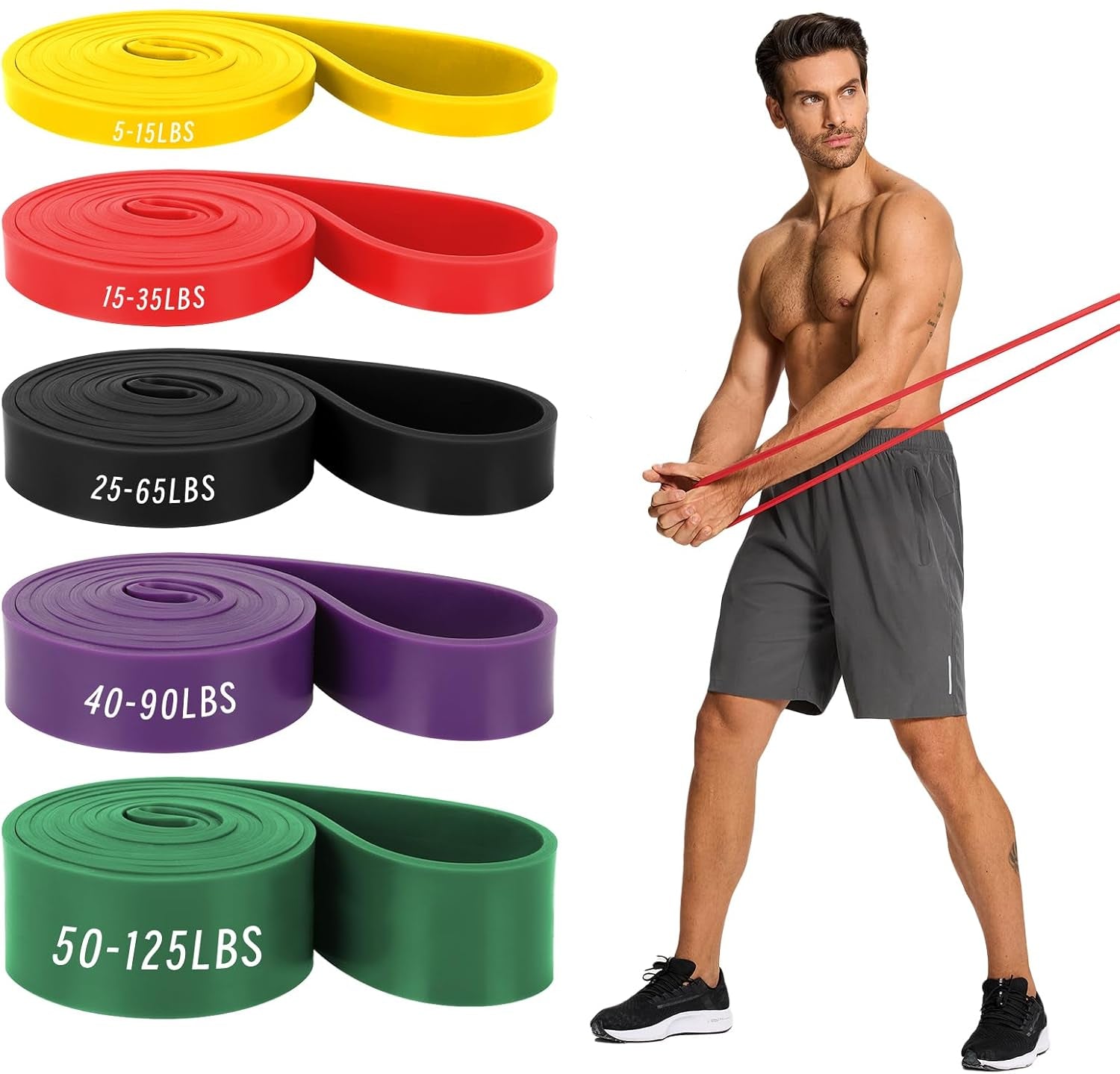
4. Latex Resistance Band Set
“Beginner-friendly and budget-friendly.”
Benefits
• 5 resistance levels
• Portable
• Great for warmups and full-body work
Pros & Cons
Pros | Cons |
|
|
Best For: Beginners who want variety without spending much.
5. Mini Stability Ball
“Small tool, big core activation.”
Benefits
• Helps align posture
• Supports lower back
• Improves control and muscle engagement
Pros & Cons
Pros | Cons |
|
|
Best For: Beginners and people lacking core awareness.
Product Comparison Table
Product | Best For | Key Benefits | Price Range | Rating |
Thick Non-Slip Yoga Mat | Seniors, beginners | Joint comfort, stability | ₹699–₹1499 / $12–$25 | ⭐⭐⭐⭐⭐ |
Cork Yoga Mat | Sweaty hands & yoga | Superior grip, hygiene | ₹1299–₹2499 / $20–$45 | ⭐⭐⭐⭐ |
Fabric Resistance Bands | Glute & core toning | Doesn’t roll, skin safe | ₹499–₹999 / $8–$18 | ⭐⭐⭐⭐⭐ |
Latex Band Set | Full-body beginners | Affordable, portable | ₹299–₹799 / $5–$12 | ⭐⭐⭐⭐ |
Mini Stability Ball | Lower back support | Better control & posture | ₹399–₹799 / $7–$15 | ⭐⭐⭐⭐ |
Which One Should You Buy?
1. Want pain-free floor workouts?
2. Want a sweat-proof grip?
![The Yogis Cork Yoga Mat for Men and Women [ 5mm ] Free Yoga Mat Belt : Amazon.in: Sports, Fitness & Outdoors](https://m.media-amazon.com/images/I/61sYZaFsTaL._AC_UF894,1000_QL80_.jpg)
3. Want toned hips and balance?

4. Want low-budget home training?
5. Want posture help?

Start with one mat + one resistance band set, and you’ve already built a home workout system.
Final Thoughts — Your Stronger Core Starts Today
You don’t need a trainer or a gym.
You just need four moves and a little consistency.
And if a mat or band keeps your joints safe and your motivation high, why not give yourself that gift?
Ready to try your first set now?
Roll out your mat.
Breathe in strength.
Begin.
Frequently Asked Questions
What are the benefits of core exercises for beginners?
Core exercises help improve balance, stability, and posture. They also protect you from injuries and can make everyday activities easier.
How often should I do core exercises as a beginner?
It’s recommended to do core exercises 2 to 5 times a week for about 10-15 minutes each session. Listen to your body and adjust as needed.
Do I need any equipment to start core exercises?
No equipment is necessary to start core exercises. A yoga or exercise mat can be helpful for comfort.
Is there a right way to do core exercises?
There isn’t just one correct way. But it’s crucial to focus on maintaining proper form and engaging the right muscles to prevent injuries. injuries.
Can core exercises help with back pain?
Yes, strengthening your core can support your spine and help prevent or reduce back pain.
Should I warm up before doing core exercises?
While core exercises are gentle, a warm-up can be beneficial if you’re feeling stiff. Simple movements like knee drops or the Cat-Cow stretch can help.

