
10 Essential Kitchen Tools That Make Healthy Eating Easier
A Practical Guide for Families, Beginners, and Healthy-Eating Enthusiasts
Written by: Jesu Raj Athisayam | Founder & Editor, BenVitalFive
Introduction: A Healthy Kitchen Begins With Practical Choices
Healthy eating doesn’t always require expensive ingredients, complicated recipes, or hours of yvxj. Often, the difference between preparing a nutritious home-cooked meal and ordering takeaway food comes down to how easily we can organise our kitchen and prepare everyday ingredients.
Over the years, I have seen food habits and family lifestyles change. Traditional kitchens were often places where vegetables were washed, fresh ingredients were prepared, grains and pulses were cooked, and family members shared meals together. Today, busy schedules, long working hours, convenience foods and limited preparation time have changed the way many families eat.
Yet the basic principle remains the same: a kitchen that makes healthy food easier to prepare can encourage healthier everyday choices.
You do not need to purchase every kitchen gadget available in the market. A few practical tools, selected according to your family’s needs, can help you wash, chop, cook, store and prepare food more efficiently.
In this guide, we explore ten essential kitchen tools that can make healthy eating easier, more convenient and less stressful.
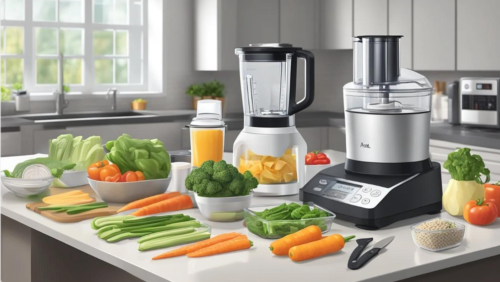
1. A Good Vegetable Chopper or Food Processor
Vegetables are an important part of balanced meals, but washing, peeling and chopping them can take time.
A food processor or vegetable chopper can simplify this task, particularly when preparing meals for a family.
How it helps
A food processor can help you:
- Chop onions, tomatoes, and vegetables.
- Prepare vegetables for soups and salads.
- Grate carrots, cabbage, and other vegetables.
- Make chutneys, dips, and vegetable mixtures.
- Prepare ingredients in larger quantities.
For families who cook frequently, preparing vegetables in advance may make it easier to include a variety of vegetables in everyday meals. These freshly prepared ingredients can also help you prepare vegetables and balanced meals, making nutritious breakfasts and other home-cooked meals easier to plan and prepare.
What to look for before buying
Choose a model with:
- Easy-to-clean parts.
- Durable blades.
- A suitable bowl capacity.
- Safety locking features.
- Simple controls.
- Replacement parts that are reasonably available.
A small manual chopper may be sufficient for a single person or a small family. Larger families or people who regularly prepare meals in batches may prefer an electric food processor.
Buying tip: Do not purchase a large food processor simply because it has more attachments. Select one that matches the quantity of food you normally prepare.
Affiliate product opportunity: Vegetable choppers, food processors and food-preparation appliances.
2. A Vegetable Steamer
Steaming is a convenient cooking method for vegetables and certain other foods.
A vegetable steamer can help prepare vegetables without requiring large amounts of oil. It can also simplify cooking when you want vegetables to retain their natural colour, texture and flavour.
Common foods suitable for steaming include:
- Carrots
- Broccoli
- Beans
- Cauliflower
- Pumpkin
- Green leafy vegetables
- Corn
- Idlis and other steamed foods
Why families may find it useful
Steaming allows you to prepare vegetables while attending to other kitchen tasks. Depending on the type of steamer, you may be able to prepare different ingredients in separate compartments.
For Indian households, steaming is already a familiar cooking method. Idli steamers, pressure cookers with steaming inserts and traditional steaming vessels can all serve useful purposes.
Along with vegetables, families can include nutritious foods such as pulses and beans as part of balanced meals. Although pulses and beans are commonly cooked by boiling or pressure cooking rather than steaming, preparing vegetables alongside them can make it easier to create nutritious, fibre-rich meals at home.
What to look for
- Food-grade materials.
- A stable base.
- Suitable capacity.
- Easy cleaning.
- Compatibility with your existing cooking equipment.
- Heat-resistant handles.
You may not need a separate electric steamer if your pressure cooker or existing cookware already provides a practical steaming option.
Affiliate product opportunity: Stainless-steel steaming baskets, electric steamers and multi-purpose steaming cookware.
3. A High-Quality Blender
A blender can be a useful kitchen appliance for preparing a variety of foods and drinks.
It is particularly helpful for families who want to prepare homemade smoothies, soups, chutneys, sauces and other blended foods.
Practical uses
A blender can help you prepare:
- Fruit and vegetable smoothies.
- Homemade soups.
- Coconut chutneys.
- Tomato-based sauces.
- Nut and seed mixtures, depending on appliance capacity.
- Batter and other food preparations.
A homemade smoothie can be convenient, but it should not automatically be considered healthier than eating whole fruit. Whole fruit provides fibre in its natural structure and encourages chewing. Smoothies may also contain several servings of fruit or added sugars if ingredients are not chosen thoughtfully.
For everyday nutrition, use a blender to complement a balanced diet rather than replace regular meals with liquid foods.
What to look for
- Suitable motor power for your intended use.
- A sturdy jar.
- Easy cleaning.
- Safety features.
- Appropriate capacity.
- Warranty and service support.
If you mostly prepare chutneys or small portions, a compact blender may be more practical than a large countertop model.
Affiliate product opportunity: Countertop blenders, personal blenders and mixer-blender combinations.
4. Reusable Food Storage Containers
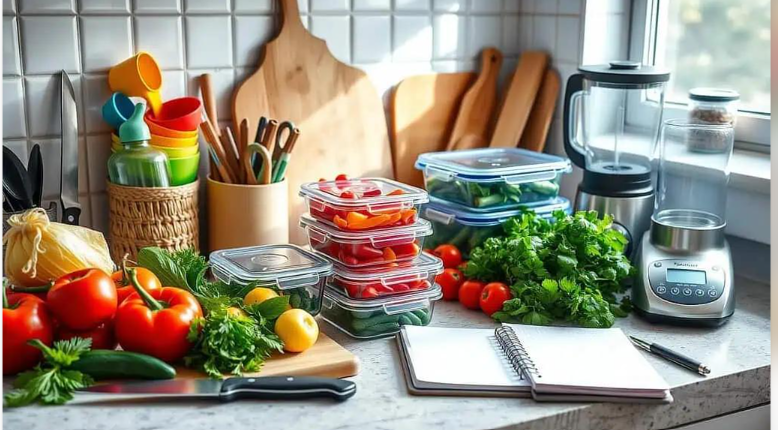
Food storage containers can help organise a kitchen, preserve prepared ingredients and reduce food waste.
After cooking a meal, storing leftovers properly can make it easier to use them for the next meal instead of allowing food to spoil.
How they support healthy eating
Reusable containers can help you:
- Store washed and chopped vegetables.
- Keep leftovers organised.
- Prepare lunch portions in advance.
- Store cooked pulses and grains.
- Carry homemade food to work or school.
- Reduce reliance on packaged convenience meals.
For example, a family may prepare cooked chickpeas, chopped vegetables and a portion of rice in advance. When stored appropriately, these ingredients can make it easier to assemble a balanced meal during a busy weekday.
What to look for
- Food-safe materials.
- Leak-resistant lids.
- Suitable sizes.
- Easy-to-clean surfaces.
- Freezer compatibility, if needed.
- Microwave compatibility, if intended for reheating.
Glass containers are useful for many storage and reheating situations, but they can be heavier and breakable. Good-quality food-grade plastic containers may be convenient for carrying food, provided they are used according to the manufacturer’s instructions.
Avoid heating food in containers that are not designed for that purpose.
Affiliate product opportunity: Glass meal-preparation containers, reusable food-storage boxes and vegetable-storage containers.
5. A Kitchen Scale
A kitchen scale can help people understand ingredient quantities and improve consistency in cooking.
It may be particularly useful for beginners who are learning recipes, preparing baked foods or comparing ingredient portions.
How it helps
A kitchen scale can help you:
- Measure ingredients accurately.
- Follow recipes more consistently.
- Understand approximate food portions.
- Measure flour, grains, nuts and other ingredients.
- Reduce unnecessary ingredient waste.
However, healthy eating does not require weighing every food item.
For many families, a balanced plate, a variety of food groups and sensible portion awareness are more practical than counting every gram.
What to look for
- A clear digital display.
- Easy-to-clean surface.
- Tare function.
- Appropriate weighing capacity.
- Reliable measurement units.
A simple digital scale is generally sufficient for home use.
Affiliate product opportunity: Digital kitchen scales and measuring tools.
6. A Pressure Cooker or Multi-Cooker
A pressure cooker is one of the most practical appliances in many Indian kitchens.
It can help prepare foods such as:
- Dal.
- Beans and chickpeas.
- Rice.
- Millet.
- Vegetable dishes.
- Soups.
- Whole grains.
Pulses and beans are nutritious ingredients that provide protein, fibre and several important nutrients. However, some families avoid preparing them because cooking can take time.
A pressure cooker can make these ingredients more convenient to prepare.
Why it is useful for healthy meals
Preparing dal, legumes and grains at home can support a varied diet and help families reduce dependence on highly processed convenience foods.
A pressure cooker can also simplify meal preparation by allowing ingredients to cook efficiently.
What to look for
- Appropriate capacity for your household.
- Safety mechanisms.
- Reliable pressure regulation.
- Suitable material.
- Easy access to replacement parts.
- Manufacturer instructions for cleaning and maintenance.
An electric multi-cooker may offer additional convenience, but a traditional pressure cooker may already meet most household needs.
Affiliate product opportunity: Stainless-steel pressure cookers, electric pressure cookers and multi-cookers.
7. A Good Cutting Board and Sharp Kitchen Knife
A cutting board and knife may seem ordinary, but they are among the most frequently used tools in a kitchen.
Preparing fresh vegetables, fruits, herbs and other ingredients becomes easier when you have a stable cutting surface and a sharp, well-maintained knife.
How they make cooking easier
A good cutting board can provide:
- A stable surface for food preparation.
- Space for chopping several ingredients.
- A dedicated area for vegetables and fruits.
- Easier cleaning after cooking.
A sharp knife can make cutting easier and more controlled when used correctly.
What to look for
For cutting boards:
- A stable surface.
- Easy cleaning.
- Appropriate size.
- Durable material.
- Separate boards for raw meat and ready-to-eat foods, where applicable.
For knives:
- A comfortable handle.
- Suitable blade length.
- Good balance.
- Safe storage.
Food safety is important. Wash cutting boards and knives thoroughly after preparing raw meat, poultry or seafood, and avoid cross-contamination with ready-to-eat foods.
Affiliate product opportunity: Kitchen knife sets, individual chef’s knives and durable cutting boards.
8. Measuring Cups and Spoons
Measuring cups and spoons are inexpensive but useful tools for beginners.
They help you follow recipes more consistently and avoid unnecessary guesswork.
Practical uses
They are useful for measuring:
- Rice and other grains.
- Flour.
- Cooking oil.
- Spices.
- Nuts and seeds.
- Ingredients for homemade dressings.
- Baking ingredients.
When preparing food at home, measuring ingredients can help you understand how much you are using. This may be particularly helpful when learning to prepare balanced recipes or when cooking a dish for the first time.
What to look for
- Clear measurement markings.
- Durable material.
- Easy cleaning.
- A useful range of sizes.
- Compact storage.
A basic set is usually sufficient for most households.
Affiliate product opportunity: Measuring cup sets, measuring spoons and kitchen measuring accessories.
9. A Good Lunch Box and Meal-Preparation Bag
Healthy eating can become difficult when people leave home without planning their meals.
A reusable lunch box can make carrying home-prepared food easier for office workers, students and schoolchildren.
Why it can encourage healthier choices
Preparing food at home gives families more control over ingredients, portion sizes and cooking methods.
A lunch box may be useful for carrying:
- Rice and vegetable meals.
- Chapati with vegetables or dal.
- Fruits.
- Nuts, where appropriate.
- Homemade sandwiches.
- Salads.
- Leftovers from a balanced home-cooked meal.
For Indian families, a lunch box does not need to contain Western-style salads or expensive health foods. A traditional meal with rice or millet, vegetables, pulses and other suitable foods can be a practical option.
What to look for
- Leak-resistant design.
- Appropriate capacity.
- Easy cleaning.
- Food-safe materials.
- Compartments if useful.
- Insulation if required.
- Portability.
Choose a lunch box based on the type of food you normally carry rather than buying one based only on appearance.
Affiliate product opportunity: Stainless-steel lunch boxes, insulated food containers and reusable meal-preparation bags.
1 Reusable Water Bottle
A reusable water bottle is a simple everyday tool that can make carrying drinking water more convenient.
Having water available at work, during travel, while walking or at school can help people remember to drink regularly according to their thirst and individual needs.
Why it is practical
A reusable bottle can help you:
- Carry drinking water.
- Reduce reliance on disposable bottles.
- Keep water accessible during daily activities.
- Maintain a simple hydration routine.
Water needs vary according to climate, activity, diet, age and health conditions. There is no single amount that is appropriate for everyone.
What to look for
- Food-safe materials.
- A leak-resistant lid.
- Easy cleaning.
- Suitable capacity.
- Comfortable portability.
- Durable construction.
Stainless steel, glass and suitable reusable plastics are common options. Choose one that fits your lifestyle and is easy to clean regularly.
Affiliate product opportunity: Stainless-steel water bottles, insulated bottles and reusable hydration bottles.
How to Choose Kitchen Tools Without Overspending
Healthy eating should not become another financial burden.
Before purchasing a kitchen appliance or accessory, ask yourself five simple questions:
1. Will I use it regularly?
A tool used several times a week may be more valuable than an expensive appliance used only once or twice a month.
2. Does it solve a real problem?
If chopping vegetables takes too much time, a chopper may help. If cooking pulses is inconvenient, a pressure cooker may be useful.
Buy tools that address actual challenges in your kitchen.
3. Is it easy to clean?
Kitchen equipment that is difficult to clean may eventually remain unused in a cupboard.
Simple designs often have an advantage.
4. Does it fit my kitchen?
Consider storage space, countertop space, appliance size and the number of people in your household.
5. Can I use something I already own?
You may already have a pressure cooker, steamer insert, storage containers or mixer that performs the required task.
The most sustainable purchase may be the one you do not need to make.
The Healthy Kitchen: Start With the Essentials
If you are a beginner and cannot afford to purchase all ten items, start with a few basics.
The beginner’s kitchen starter list
- A good cutting board and knife.
- Reusable food-storage containers.
- A pressure cooker or suitable cooking vessel.
- Measuring cups and spoons.
- A reusable water bottle.
You can add a blender, food processor, vegetable steamer or kitchen scale as your cooking habits develop.
The goal is not to create a kitchen filled with gadgets. The goal is to create a kitchen that makes preparing everyday meals easier.
Practical Example: Preparing a Healthy Family Meal
Imagine a busy family preparing a meal on a weekday evening.
With a few useful kitchen tools, meal preparation could become simpler:
- Use a vegetable chopper to prepare carrots, beans and onions.
- Use a pressure cooker to prepare dal.
- Steam vegetables in a steaming basket.
- Store leftover ingredients in food-safe containers.
- Use measuring cups when preparing grains.
- Pack a portion of the meal in a reusable lunch box for the following day.
These small steps may reduce preparation time and make home cooking more manageable.
Healthy eating is often supported not by one dramatic change, but by a series of small practical decisions repeated consistently.
Frequently Asked Questions
What are the most important kitchen tools for healthy eating?
A cutting board, knife, pressure cooker, food-storage containers and basic measuring tools are useful starting points. The best choices depend on your cooking habits, household size and budget.
Do expensive kitchen appliances make food healthier?
No. The nutritional quality of a meal depends primarily on its ingredients, overall dietary pattern, preparation methods and portion sizes. Expensive appliances do not automatically make food healthier.
Is a blender necessary for healthy eating?
No. A blender is convenient for smoothies, soups and sauces, but many healthy meals can be prepared without one.
Is steaming healthier than frying?
Steaming can be a useful cooking method because it generally requires little or no added oil. However, different cooking methods can fit into a balanced diet. The overall ingredients and cooking pattern matter.
What kitchen tools are useful for Indian families?
Pressure cookers, cutting boards, knives, vegetable choppers, food-storage containers, steamers and mixer-grinders are particularly practical for many Indian households.
How can kitchen tools help reduce food waste?
Storage containers, meal-preparation tools and proper organisation can help families store ingredients and leftovers, plan meals and use food before it spoils.
Final Thoughts: Build a Kitchen That Supports Your Health
Healthy eating begins with everyday decisions.
Choosing vegetables, cooking pulses, preparing balanced meals, storing leftovers safely and planning food for busy days may seem like small activities. Together, they can make a meaningful difference to how we eat throughout the week.
Kitchen tools should support these habits, not complicate them.
You do not need the newest appliance or the most expensive equipment. Start with a few practical tools that suit your family, your budget and your cooking style.
A well-organised kitchen can make healthy food more convenient, home cooking more enjoyable and everyday nutrition easier to maintain.
At BenVitalFive, we believe healthy living is built through simple, sustainable habits—not expensive shortcuts.
Recommended Kitchen Tools: Explore Before You Buy
Below are categories of kitchen tools you may wish to explore. Compare product specifications, customer reviews, durability, safety, warranty and price before making a purchase.
- Vegetable choppers and food processors
- Vegetable steamers
- Blenders and mixer-grinders
- Food-storage containers
- Digital kitchen scales
- Pressure cookers
- Cutting boards and kitchen knives
- Measuring cups and spoons
- Lunch boxes and meal-preparation containers
- Reusable water bottles
Some links on this page may be affiliate links. If you purchase through these links, BenVitalFive may receive a small commission at no additional cost to you. We aim to recommend products based on usefulness, practicality and relevance to our readers.
Disclaimer: This article is intended for general educational purposes and is not a substitute for individualised medical or dietary advice.
About BenVitalFive: BenVitalFive promotes practical, evidence-informed approaches to healthy living through nutrition, physical activity, yoga, mindfulness, reading and everyday lifestyle habits.

