
Table of Contents
ToggleIntroduction:
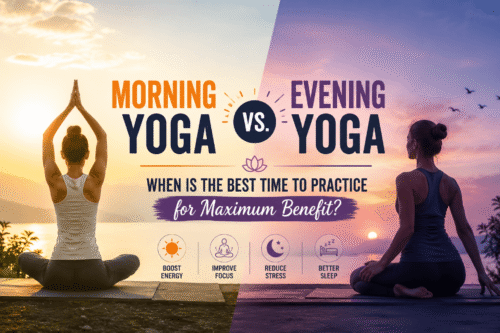
Morning Yoga vs Evening Yoga: The Best Time to Practice Yoga?
One of the most common questions among beginners and even experienced yoga practitioners is: “Is morning yoga or evening yoga better for maximum health benefits?”
The simple answer is that both are beneficial, but they support your body and mind in different ways.
A refreshing morning yoga routine can awaken your muscles, improve mental clarity, increase energy, and prepare you for a productive day. On the other hand, evening yoga can help release stress, improve flexibility, relax the nervous system, and prepare your body for deeper sleep.
Yoga is not only about physical exercise. It is a complete wellness practice that connects movement, breathing, awareness, and inner balance. Choosing between morning and evening practice depends on your personal goals, lifestyle, energy levels, and what your body needs.
For building a complete wellness lifestyle, you can also explore The Five Pillars of Holistic Wellness: A Simple Path to a Healthier Life, where we discuss how movement, nutrition, mindfulness, rest, and emotional balance work together.
In this guide, let us compare morning yoga vs evening yoga and discover the best practice time for energy, flexibility, relaxation, and better sleep.
Understanding Your Body’s Natural Daily Rhythm
Our bodies follow a natural internal clock known as the circadian rhythm. This biological rhythm influences:
- Energy levels
- Hormone activity
- Body temperature
- Sleep patterns
- Mental alertness
- Physical performance
This is why your body may feel completely different during a morning yoga session compared with an evening practice.
Neither time is wrong. The secret is choosing the right practice based on your goal.
What Happens During Morning Yoga?
After several hours of sleep, your body slowly begins waking up.
In the morning:
- Body temperature is usually lower
- Muscles may feel tighter
- Joints need gentle movement
- The mind is refreshed
- Natural alertness begins increasing
Because the body is transitioning from rest to activity, morning yoga works beautifully as an energising practice.
Gentle movement combined with deep breathing improves circulation and creates a positive mindset before daily responsibilities begin.
Benefits of Morning Yoga Practice
1. Morning Yoga Naturally Boosts Energy
Many people start their day with caffeine because they feel tired or unfocused. Yoga provides another natural way to activate the body.
Morning movements help.
- Increase blood circulation
- Reduce stiffness after sleep
- Improve oxygen flow
- Wake up muscles
Dynamic yoga practices such as sun salutations create warmth and prepare your body for daily activities.
2. Improves Mental Clarity and Focus
Morning yoga is not only physical training; it is also mental preparation.
Combining breathing techniques with mindful movement may support:
- Better concentration
- Emotional balance
- Calm decision-making
- Improved awareness
Starting your day peacefully can influence how you respond to challenges throughout the day.
To understand more about connecting breath, body, and awareness, read Understanding Yoga and Its Benefits.
3. Helps Build a Consistent Healthy Habit
One major advantage of morning yoga is consistency.
As the day progresses, unexpected responsibilities appear:
- Work pressure
- Family commitments
- Fatigue
- Social activities
Morning practice happens before distractions begin.
Even a simple 15-minute yoga routine every morning can create a powerful long-term wellness habit.
4. Supports Healthy Weight Management
Yoga alone is not a magic weight-loss solution, but regular practice combined with balanced nutrition and an active lifestyle can support healthy body composition.
Morning yoga encourages:
- Daily movement
- Mindful eating habits
- Better discipline
- Improved body awareness
Best Morning Yoga Poses for Energy
1. Sun Salutation (Surya Namaskar)
Sun Salutation is one of the most popular morning yoga sequences.
Benefits:
- Warms the body
- Strengthens muscles
- Improves flexibility
- Encourages deep breathing
It combines multiple movements into one flowing practice.
2. Warrior Pose
Warrior poses strengthen the lower body and improve stability.
Benefits:
- Builds leg strength
- Supports balance
- Opens hips
- Improves posture
3. Tree Pose
Tree Pose is excellent for improving focus.
Benefits:
- Develops concentration
- Strengthens stabilising muscles
- Improves coordination
4. Cobra Pose
Cobra Pose gently stretches the front body after sleep.
Benefits:
- Opens the chest
- Supports spinal movement
- Reduces morning stiffness
What Happens During Evening Yoga?
By evening, your body has already been active for many hours.
At this time:
- Muscles are warmer
- Flexibility is often higher
- The body carries accumulated tension
- The mind needs relaxation
Evening yoga works like a transition between a busy day and peaceful rest.
Instead of stimulating the body, evening practice focuses on releasing and restoring.
Benefits of Evening Yoga Practice
1. Improves Flexibility
Many people notice they can stretch deeper in the evening.
This happens because muscles and connective tissues are warmer after daily movement.
Evening yoga is especially helpful for:
- Tight hips
- Hamstrings
- Lower back stiffness
- Shoulder tension
2. Supports Stress Relief
Modern lifestyles expose people to constant stimulation:
- Digital screens
- Work pressure
- Mental overload
Slow evening yoga activates relaxation and helps the mind slow down.
Practices like restorative yoga encourage deep breathing and body awareness.
3. Helps Prepare the Body for Better Sleep
A gentle yoga routine before bedtime may help create a relaxing nighttime ritual.
Slow movements combined with breathing exercises can:
- Calm the nervous system
- Reduce physical tension
- Prepare the mind for rest
For more information about sleep and healthy lifestyle habits, visit Sleep Foundation Guide to Healthy Sleep
4. Supports Emotional Balance
Sometimes we carry emotional stress throughout the day without noticing.
Evening yoga creates quiet space to observe:
- Thoughts
- Feelings
- Physical sensations
This mindful awareness is one reason yoga supports complete wellness.
You may also enjoy the ultimate Guide to yoga benefits.
Best Evening Yoga Poses for Relaxation
1. Child’s Pose
Child’s Pose is a calming posture suitable for evening relaxation.
Benefits:
- Relaxes the back
- Encourages slow breathing
- Reduces tension
2. Legs Up the Wall Pose
This restorative pose is commonly practiced before bedtime.
Benefits:
- Encourages relaxation
- Reduces tiredness
- Supports gentle recovery
3. Reclining Butterfly Pose
This gentle hip-opening posture helps release lower body tension.
Benefits:
- Opens hips
- Encourages relaxation
- Supports mindful breathing
4. Seated Forward Bend
A slow forward bend encourages a peaceful evening routine.
Benefits:
- Stretches the back body
- Calms the mind
- Supports flexibility
Morning Yoga vs Evening Yoga Comparison
| Goal | Recommended Practice |
|---|---|
| Increase energy | Morning yoga |
| Improve productivity | Morning yoga |
| Build daily discipline | Morning yoga |
| Deep stretching | Evening yoga |
| Stress relief | Evening yoga |
| Relaxation | Evening yoga |
| Better sleep routine | Evening yoga |
| Overall wellness | Both |
Can You Practice Yoga Twice a Day?
Yes. A combination approach can provide balanced benefits.
Example routine:
Morning:
15–20 minutes
Include:
- Sun Salutations
- Standing poses
- Balance exercises
- Breathing practice
Evening:
20–40 minutes
Include:
- Gentle stretching
- Yin yoga
- Restorative poses
- Meditation
This supports both daytime energy and nighttime relaxation.
Helpful Yoga Accessories for Morning and Evening Practice (Affiliate Product Opportunity)
The right yoga accessories can make your practice safer, more comfortable, and enjoyable.
1. Premium Non-Slip Yoga Mat
Recommended for:
- Morning flows
- Standing poses
- Balance exercises
A quality yoga mat provides cushioning, grip, and stability.
Affiliate placement:
Recommended Product: Eco-Friendly Non-Slip Yoga Mat – Affiliate Link
2. Yoga Blocks
Great for beginners and flexibility training.
Benefits:
- Improves alignment
- Provides support
- Makes poses accessible
Affiliate placement:
Best Yoga Blocks for Beginners – Affiliate Link
3. Yoga Strap
Useful for:
- Hamstring stretches
- Shoulder flexibility
- Improving range of motion
Affiliate placement:
Adjustable Yoga Stretching Strap – Affiliate Link
4. Meditation Cushion
Perfect for evening breathing and mindfulness sessions.
Benefits:
- Better posture
- Comfortable sitting
- Longer meditation practice
Affiliate placement:
Comfort Meditation Cushion for Home Practice – Affiliate Link
Scientific Support for Yoga Benefits
Modern research continues exploring how yoga influences physical and mental wellness.
Studies suggest regular yoga practice may support:
- Stress management
- Flexibility
- Strength
- Emotional wellness
- Relaxation
Learn more from trusted resources:
National Center for Complementary and Integrative Health – Yoga Research
Harvard Health Publishing Yoga Benefits
Frequently Asked Questions About Morning Yoga vs Evening Yoga
Is yoga better in the morning or evening?

Both times offer benefits. Morning yoga improves energy and focus, while evening yoga supports flexibility, relaxation, and stress reduction.
Is morning yoga good for beginners?

Yes. Beginners can start with gentle movements, breathing exercises, and simple poses.
Can I do yoga before sleeping?

Yes. Slow and relaxing yoga practices before bedtime can become part of a healthy sleep routine.
Which yoga is best for energy?

Dynamic styles such as Vinyasa yoga and Sun Salutations are excellent choices for increasing morning energy.
Which yoga is best for stress relief?

Restorative yoga, Yin yoga, and slow breathing practices are suitable for relaxation.
Conclusion: Morning Yoga or Evening Yoga — Which One Should You Choose?
The best time to practice yoga depends on what your body and mind need.
Choose morning yoga if your goal is:
- More energy
- Better focus
- Strong habits
- Daily motivation
Choose evening yoga if your goal is:
- Stress relief
- Improved flexibility
- Relaxation
- Better sleep preparation
There is no single perfect time for everyone.
Yoga is a personal journey. Some seasons of life require the motivation of morning practice, while others need the peaceful healing of evening practice.
The most powerful yoga routine is the one you can follow consistently with awareness, patience, and joy.
