
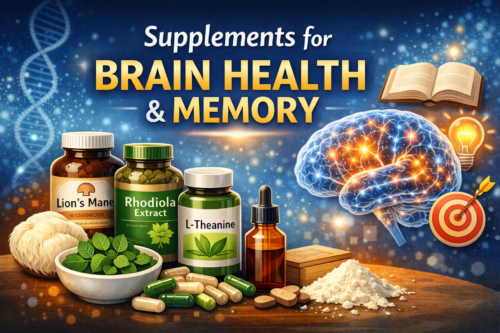
Supplements for Focus and Mental Clarity: What Does the Science Really Say?
Written by: Jesu Raj Athisayam | Founder & Editor, BenVitalFive
Medical review: Dr Visalam Ramanathan, MBBS, MD, functional medicine and integrative medicine practitioner. Holistic medicine
Last updated: 16 Nov 2026
Introduction: Understanding the Connection Between Nutrition and Brain Function
Maintaining concentration, memory and mental clarity can be challenging when everyday life involves demanding work, digital distractions, insufficient sleep and ongoing stress. Consequently, many people explore dietary supplements marketed for memory, attention, focus and cognitive performance.
The brain is one of the body’s most metabolically active organs. It requires a continuous supply of energy, oxygen and essential nutrients to maintain communication between nerve cells, produce neurotransmitters, support cell membranes and regulate numerous biological processes.
Nutrition therefore plays an important role in normal brain function.
Several nutrients and naturally occurring compounds have attracted scientific interest because of their biological activities. Omega-3 fatty acids, B vitamins, choline, magnesium and plant-derived polyphenols, for example, participate in processes relevant to the nervous system. Researchers have also investigated particular herbs and compounds, including Lion’s Mane mushroom, Rhodiola rosea, Bacopa monnieri and L-theanine.
However, understanding how a nutrient functions in the body is different from proving that taking it as a supplement improves memory or concentration.
A nutrient may be essential for normal neurological function without additional supplementation providing further benefits to someone whose nutritional requirements are already met.
This guide explores the science behind brain-supporting nutrients and four commonly discussed nootropic ingredients. It examines their biological functions, research findings, potential limitations and safety considerations.
Our aim is to help readers understand what the science actually tells us, rather than simply accepting marketing claims or dismissing promising research because evidence is still developing.
This is an educational overview, not an endorsement of any supplement or a recommendation to begin supplementation.
1. What Are Nootropics?
Nootropics is a broad term used for substances marketed or investigated for possible effects on cognitive functions, including attention, learning, memory and mental performance.
The term includes several different categories:
- Essential nutrients involved in normal brain function.
- Naturally occurring plant compounds and herbal extracts.
- Amino acids and other biological compounds.
- Synthetic substances and certain prescription medicines investigated or used for specific medical conditions.
These categories should not be treated as interchangeable.
For example, correcting a vitamin B12 deficiency may improve neurological symptoms associated with that deficiency. However, this does not mean that additional B12 supplementation automatically improves memory in someone who already has adequate levels.
Similarly, a plant extract showing promising biological activity in laboratory experiments has not necessarily demonstrated meaningful cognitive benefits in human clinical trials.
To understand nootropics properly, we must examine both their biological functions and the clinical evidence supporting their use.
2. How Does the Brain Use Nutrients?
Before examining individual supplements, it is useful to understand some of the basic biological processes that support brain function.
Brain energy production
The brain continuously requires energy to maintain electrical activity, transmit signals between neurons and support cellular maintenance.
Glucose is an important energy source under ordinary physiological conditions. Mitochondria within brain cells help convert energy from nutrients into adenosine triphosphate (ATP), the molecule that supplies energy for cellular activities.
B vitamins participate in several metabolic reactions involved in energy production. However, taking additional B vitamins does not necessarily increase mental energy when nutritional requirements are already met.
Neurotransmitter production
Neurons communicate through chemical messengers called neurotransmitters.
Examples include:
- Acetylcholine, involved in memory, learning and muscle activation.
- Dopamine, involved in motivation, reward and movement.
- Serotonin, involved in mood and several other physiological processes.
- Glutamate, the principal excitatory neurotransmitter in the central nervous system.
- Gamma-aminobutyric acid (GABA), the principal inhibitory neurotransmitter in the brain.
Several nutrients contribute to the production or normal functioning of these signalling systems.
For instance, vitamin B6 participates in reactions involved in neurotransmitter synthesis, while choline is required for acetylcholine production.
These biological relationships are established aspects of human physiology. They should not, however, be interpreted as proof that taking extra amounts of these nutrients enhances cognitive performance.
Nerve cell membranes and communication
Brain cells depend on healthy cell membranes for communication, electrical signalling and the movement of substances into and out of cells.
DHA (docosahexaenoic acid), an omega-3 fatty acid, is an important structural component of neuronal membranes.
Membrane composition influences several cellular processes, including the functioning of membrane-associated proteins and receptors.
This is one reason omega-3 fatty acids have attracted considerable research interest in relation to brain development and neurological health.
Oxidative balance and cellular protection
Normal metabolism produces reactive molecules that can interact with cellular structures.
The body has antioxidant defence systems that help regulate these processes.
Certain dietary compounds, including polyphenols found in fruits, vegetables, tea and other plant foods, have demonstrated antioxidant and cell-signalling activities in experimental research.
However, laboratory antioxidant activity does not automatically demonstrate improved memory or protection against neurological disease in people.
3. Important Nutrients Involved in Brain Function
The following nutrients have established biological roles relevant to the nervous system. Their functions should be distinguished from claims that supplementation enhances cognition.
Omega-3 fatty acids: DHA and EPA
Omega-3 fatty acids are important components of a balanced diet.
DHA is particularly relevant to the brain because it is incorporated into neuronal cell membranes. EPA (eicosapentaenoic acid) is also biologically active and participates in the production of signalling molecules involved in inflammatory regulation.
Food sources include:
- Sardines and mackerel.
- Salmon and other oily fish.
- Flaxseeds.
- Chia seeds.
- Walnuts.
Plant sources provide alpha-linolenic acid (ALA), which the body can convert into EPA and DHA, although conversion is limited.
What does the science tell us?
DHA has an established structural role in the brain. Research into omega-3 supplementation has investigated cognition, mood and neurological outcomes, but findings differ according to the population, baseline nutritional status, supplement formulation and outcome measured.
Eating omega-3-rich foods contributes to a balanced dietary pattern. It would be misleading to claim that taking fish oil guarantees better memory or concentration.
B vitamins: Supporting the nervous system
B vitamins participate in many metabolic processes essential to normal body and brain function.
Three are particularly relevant to neurological health.
Vitamin B6
Vitamin B6 is involved in amino acid metabolism and the synthesis of several neurotransmitters, including serotonin, dopamine and GABA.
Food sources include chickpeas, bananas, potatoes, fish and poultry.
Vitamin B9 (Folate)
Folate contributes to DNA synthesis, cell division and one-carbon metabolism. It also participates in processes involved in homocysteine regulation.
Food sources include green leafy vegetables, lentils, beans, asparagus and citrus fruits.
Vitamin B12
Vitamin B12 is essential for normal neurological function, red blood cell formation and the maintenance of myelin, the protective covering around many nerve fibres.
Food sources include fish, eggs, milk and other dairy products. People following strict vegan diets may need fortified foods or supplementation to meet their B12 requirements.
What does the science tell us?
Deficiency in vitamin B12 can cause neurological problems and should be identified and treated appropriately. Folate and B6 deficiencies also have health consequences.
Correcting a deficiency is different from using high-dose B vitamins as cognitive enhancers. Evidence does not establish that taking additional B vitamins improves focus in people who already have adequate nutritional status.
Choline: Important for acetylcholine production
Choline is an essential nutrient used by the body to produce phosphatidylcholine, a component of cell membranes.
It is also needed to synthesise acetylcholine, a neurotransmitter involved in memory, learning, muscle activation and other functions.
Food sources include:
- Eggs, particularly the yolk.
- Fish.
- Chicken.
- Soybeans.
- Certain pulses and vegetables.
Choline is important for normal brain and nervous system function, particularly during development.
However, the biological role of acetylcholine does not establish that taking choline supplements improves memory in every healthy adult.
Magnesium: Supporting nerve signalling
Magnesium participates in hundreds of enzymatic reactions.
In the nervous system, it contributes to normal nerve transmission and muscle function. It also influences the activity of NMDA receptors, which are involved in synaptic signalling and processes associated with learning and memory.
Food sources include:
- Pumpkin seeds.
- Almonds and cashews.
- Spinach and other leafy vegetables.
- Beans and lentils.
- Whole grains.
Magnesium is essential for normal physiology. However, the idea that extra magnesium automatically improves mental clarity or memory is not established.
Supplementation may be appropriate in certain circumstances, including diagnosed deficiency, but excessive intake from supplements can cause adverse effects and may be unsuitable for people with impaired kidney function.
Polyphenols: Plant compounds under investigation
Polyphenols are naturally occurring compounds found in many plant foods.
Examples include flavonoids in berries, catechins in tea and various phenolic compounds in fruits, vegetables, cocoa and spices.
Researchers have investigated their potential effects on:
- Cellular signalling.
- Oxidative balance.
- Inflammatory pathways.
- Blood vessel function.
- Processes involved in brain health.
Some experimental research suggests that particular polyphenols may influence pathways associated with neuronal communication.
However, evidence from laboratory and animal studies cannot establish that consuming a particular food or concentrated extract prevents memory loss or improves cognitive performance.
A varied diet rich in plant foods remains a practical way to obtain a range of polyphenols.
4. Natural Nootropics: Four Ingredients Under Scientific Investigation
Beyond essential nutrients, researchers have investigated several herbs and naturally occurring compounds for possible effects on cognitive function.
The following four ingredients were selected because they are commonly discussed in the brain-health supplement market.
4.1 Lion’s Mane Mushroom (Hericium erinaceus)
Lion’s Mane is an edible mushroom recognised by its distinctive white, cascading spines. It has a history of culinary use in East Asian food traditions.
Its scientific interest comes partly from compounds called hericenones and erinacines.
What is the biological science?
Hericenones are found primarily in the fruiting body, while erinacines have been identified in the mycelium of certain Lion’s Mane preparations.
Laboratory and animal research has investigated these compounds for their possible effects on nerve growth factor (NGF) and other neurotrophic signalling pathways.
NGF is a protein involved in the growth, maintenance and survival of particular types of nerve cells.
Researchers have also examined possible effects on:
- Neuronal development and maintenance.
- Neuroinflammatory pathways.
- Oxidative stress responses.
- Brain-derived neurotrophic factor (BDNF) signalling.
These findings help explain why Lion’s Mane has attracted interest in neuroscience research.
However, it is essential to recognise that most mechanistic findings come from laboratory or animal studies. They do not demonstrate that consuming Lion’s Mane supplements regenerates damaged nerves in humans.
What do human studies suggest?
Small clinical studies have explored memory, cognitive performance and mood. Some have reported encouraging findings, while others have shown limited or task-specific effects.
A 2024 pilot trial examined an erinacine A-enriched preparation and reported changes in selected cognitive outcomes and circulating BDNF.
Other research involving healthy younger adults did not demonstrate a significant overall improvement in cognitive performance following a single dose.
The available studies differ in their preparations, participants, duration and outcome measures.
What should readers consider?
- Evidence from animal experiments cannot be assumed to apply directly to humans.
- Fruiting-body and mycelium extracts may have different chemical compositions.
- Products can vary in their concentrations of active compounds.
- Allergic reactions and digestive symptoms are possible.
- Long-term safety information remains limited.
Bottom line: Lion’s Mane contains biologically interesting compounds that are being investigated for their possible effects on nerve-related pathways. However, it is not an established treatment for memory problems, nerve damage or cognitive decline.
4.2 Rhodiola rosea
Rhodiola rosea, commonly known as golden root or Arctic root, is a plant traditionally used in parts of Europe and Asia.
It is frequently marketed for stress management, fatigue, physical endurance and mental performance.
What is the biological science?
Rhodiola contains several compounds, including:
- Rosavin and related phenylpropanoids.
- Salidroside.
- Other phenolic compounds.
Researchers have investigated whether these constituents influence biological pathways involved in cellular stress responses and fatigue.
Rhodiola is also commonly described as an adaptogen. This term is used in herbal research to describe substances proposed to influence the body’s response to stress.
However, the term should not be interpreted as proof of a clinically established mechanism or health benefit.
What does the research suggest?
Human studies have explored Rhodiola in relation to fatigue, perceived stress and performance under demanding conditions.
Some small trials have reported positive findings. However, differences in study design, extracts and outcome measures make the findings difficult to generalise.
The US National Center for Complementary and Integrative Health (NCCIH) concludes that there is insufficient reliable evidence to determine whether Rhodiola is useful for any health-related purpose.
Safety considerations
Possible adverse effects include:
- Headache.
- Dizziness.
- Insomnia.
- Dry mouth or excessive saliva production.
Interactions with medicines have been reported, including with losartan.
People taking prescription medicines, experiencing persistent fatigue or managing ongoing medical conditions should consult a healthcare professional before considering Rhodiola.
Bottom line: Rhodiola contains compounds of scientific interest, and its possible influence on stress-related pathways deserves further investigation. However, reliable clinical benefits for concentration and mental clarity have not been established.
4.3 Bacopa monnieri
Bacopa monnieri is an aquatic herb used in traditional Ayurvedic practice. It is commonly known as Brahmi in many Indian contexts, although the name Brahmi can also be used for other plants.
Bacopa has attracted scientific interest because of its bacoside content.
What is the biological science?
Bacosides are a group of triterpenoid saponins found in Bacopa extracts.
Experimental research has investigated their potential influence on:
- Cellular antioxidant defence.
- Neuronal signalling.
- Synaptic communication.
- Certain pathways associated with learning and memory.
- Neuroinflammatory processes.
Some animal studies have examined changes in the hippocampus, a brain region important for learning and memory.
These findings provide a scientific basis for investigating Bacopa. They do not establish that the herb prevents cognitive decline or improves memory in every person.
What do human studies suggest?
Several clinical trials have examined standardised Bacopa extracts and selected memory-related outcomes.
A meta-analysis published in 2014 examined nine studies involving 518 participants. It reported improvements in selected cognitive measures, including certain tests of attention and processing speed.
However, the studies used different preparations and outcome measures. Results from specific memory tests should not be interpreted as proof of improved everyday concentration or protection against dementia.
More research is needed to establish the consistency and practical significance of the reported effects.
Traditional Indian context
Bacopa has an important place in Ayurvedic traditions.
Its traditional use provides historical context for scientific investigation, but traditional use alone cannot establish effectiveness or safety for every individual.
Safety considerations
Bacopa may cause:
- Nausea.
- Abdominal discomfort.
- Diarrhoea.
- Other digestive symptoms.
It may also interact with medicines. People with thyroid conditions, those taking regular medication and individuals with existing health concerns should seek professional guidance.
For a closer look at products marketed for memory, read our guide to Brahmi supplements for memory, while remembering that product claims and scientific evidence should be evaluated separately.
Bottom line: Bacopa is one of the more extensively studied herbal ingredients in this group for selected memory outcomes. Nevertheless, variations in preparations and limitations in clinical evidence mean that its benefits should not be exaggerated.
4.4 L-theanine
L-theanine is a naturally occurring amino acid found in tea (Camellia sinensis), including green and black tea.
It is also sold as a concentrated dietary supplement.
What is the biological science?
L-theanine has a chemical structure similar to glutamate, an important neurotransmitter involved in excitatory signalling.
Experimental research suggests that L-theanine may interact with several neurotransmitter-related pathways.
Researchers have investigated its possible influence on:
- Glutamate-related signalling.
- GABA-associated pathways.
- Relaxation and stress responses.
- Attention-related brain activity.
These mechanisms may help explain why L-theanine is being studied for its potential relationship with relaxation and attention.
However, its precise effects in the human brain and the extent to which proposed mechanisms translate into meaningful everyday benefits remain subjects of research.
L-theanine and caffeine
One particularly interesting research area is the combination of L-theanine and caffeine.
Caffeine blocks adenosine receptors, helping to increase alertness and reduce the perception of tiredness.
L-theanine may influence attention and relaxation through different pathways.
Some clinical studies have investigated whether combining the two compounds produces changes in selected attention and cognitive tasks.
A systematic review of randomised controlled trials published in 2025 examined tea, L-theanine and L-theanine combined with caffeine. It reported some favourable findings for selected short-term cognitive outcomes, although the size and consistency of effects varied.
A further systematic review and meta-analysis published in 2026 examined 31 randomised trials involving 1,168 participants. It reported a short-term improvement in choice reaction time after a single L-theanine dose, while other outcomes were less consistent.
These findings are interesting but should not be interpreted as proof of sustained improvements in productivity, memory or everyday mental performance.
Tea as a traditional source
Tea offers an everyday source of L-theanine, together with other naturally occurring compounds.
However, the amount of L-theanine in a cup varies according to the tea variety, growing conditions, processing and preparation.
Tea also contains caffeine, which may affect sleep and cause unwanted effects in sensitive individuals.
Safety considerations
People considering concentrated L-theanine supplements should assess the product, their health circumstances and possible medication interactions with a qualified professional.
The long-term safety of every commercial formulation and its use in different populations has not been established.
Bottom line: L-theanine is an interesting tea-derived compound with emerging human research on attention and relaxation. Some findings are promising, but more research is needed to understand its long-term benefits and practical clinical relevance.
5. Comparing the Science and Evidence
| Ingredient | Biological research interest | Human evidence and limitations |
|---|---|---|
| Lion’s Mane | NGF-related pathways, neurotrophic signalling and neuronal maintenance | Small studies; cognitive findings are mixed |
| Rhodiola | Cellular stress responses and fatigue-related pathways | Insufficient reliable evidence for established health benefits |
| Bacopa | Bacosides, antioxidant pathways and memory-related signalling | Some positive findings in selected memory tests; preparation and study limitations remain |
| L-theanine | Glutamate-related signalling, relaxation and attention | Emerging evidence for selected short-term attention outcomes; long-term benefits remain uncertain |
This comparison highlights an important principle: biological activity and clinical effectiveness are related research questions, but they are not the same.
6. Other Compounds Being Investigated for Brain Health
The scientific study of nootropics extends beyond the four ingredients discussed above.
Creatine
Creatine is a naturally occurring compound involved in cellular energy metabolism.
The creatine-phosphocreatine system helps maintain ATP availability, particularly when energy demand changes rapidly.
Although creatine is best known in sports nutrition, researchers have also investigated its role in brain energy metabolism.
Some studies have explored possible cognitive effects, particularly under conditions such as sleep deprivation or in certain population groups.
However, systematic reviews have reported mixed findings, and evidence for routine cognitive enhancement in healthy adults remains uncertain.
Creatine should not be presented as a proven memory supplement.
Ginkgo biloba
Ginkgo biloba is a plant whose extracts have been investigated for their potential effects on circulation and cognitive outcomes.
Researchers have examined flavonoids and terpene lactones found in standardised extracts.
Although some clinical research has explored cognitive outcomes in older adults and people with cognitive impairment, findings vary according to the population and preparation.
Ginkgo may interact with medicines, particularly those affecting blood clotting. It should not be assumed to be harmless because it is plant-derived.
Saffron
Saffron is a traditional culinary spice obtained from Crocus sativus.
It contains compounds such as crocin, crocetin and safranal, which have been investigated for antioxidant, inflammatory and neurological pathways.
Some clinical trials have explored saffron extracts in relation to mood and cognitive outcomes.
However, culinary saffron and concentrated trial-tested extracts are not interchangeable. Findings from specific clinical preparations should not be applied automatically to ordinary dietary use or commercial supplements.
Why these ingredients deserve further study
These examples demonstrate that nootropic research covers several different biological areas:
- Cellular energy production.
- Neurotransmitter activity.
- Neuronal maintenance.
- Oxidative balance.
- Stress-related pathways.
- Brain circulation.
Understanding these mechanisms helps researchers develop better clinical questions. It does not mean that every ingredient will become an effective supplement.
7. What to Consider Before Buying a Brain Supplement
Before considering a dietary supplement, readers should ask several important questions.
1. Is the claimed benefit supported by human research?
Look for well-designed clinical trials and systematic reviews.
Be cautious when marketing relies mainly on laboratory studies, animal experiments or testimonials.
2. Does the product match the research?
Different extracts and formulations may have different chemical compositions.
A clinical trial using a standardised extract does not establish the effectiveness of every commercial product containing the same plant.
3. Is the product quality transparent?
Check the ingredient list, manufacturer details, applicable regulatory information and independent quality-testing information where available.
In India, consumers should also check applicable FSSAI requirements for food and health supplement products.
Quality testing can help assess identity, purity and contamination. It does not establish cognitive effectiveness.
4. Could the product interact with medicines?
Herbal products can interact with prescription medicines.
People who take regular medication, have ongoing health conditions, are pregnant or breastfeeding, or are preparing for surgery should seek appropriate professional advice.
5. Is supplementation actually necessary?
A dietary supplement may be useful when a deficiency or specific nutritional need has been identified.
However, a supplement should not be used simply because its ingredient is associated with brain health.
For additional guidance, consult the National Center for Complementary and Integrative Health’s information on dietary and herbal supplements.
8. Everyday Habits That Support Cognitive Health
Supplements are only one part of a much broader discussion about brain health.
Daily habits influence sleep quality, metabolic health, stress regulation and physical well-being, all of which can affect how people feel and perform mentally.
Prioritise adequate sleep
Sleep supports memory consolidation, learning and normal brain function.
Maintain a consistent sleep schedule, create a comfortable sleeping environment and reduce stimulating activities close to bedtime.
Persistent sleep difficulties deserve professional attention.
Eat a varied and balanced diet
Include vegetables, fruits, pulses, whole grains, nuts, seeds and appropriate sources of protein.
Traditional Indian meals can provide a practical foundation.
For example:
- Breakfast: Idli with sambar and vegetables.
- Lunch: Rice or millets with dal, keerai and vegetables.
- Evening: Fruit, nuts or a suitable traditional snack.
- Dinner: Chapati or millet-based food with pulses and vegetables.
Fish, eggs and dairy products can provide additional nutrients where appropriate.
For practical ideas to make nutritious food easier to prepare every day, explore our guide to creating a healthy kitchen and making healthy eating easier.
Move regularly
Physical activity supports cardiovascular health, metabolic function and overall well-being.
Walking, appropriate strength exercises, cycling and other enjoyable activities can form part of a regular routine.
Walking is one practical way to include movement in everyday life; discover more in our guide to the benefits of daily walking.
Manage distractions
Concentration can be affected by constant interruptions.
Try breaking demanding tasks into manageable periods, reducing unnecessary notifications and taking short breaks.
A supportive working environment can make focused work easier.
Make time for relaxation
Mindfulness, comfortable breathing practices and enjoyable social activities may help people manage everyday stress.
Yoga and meditation can be included according to individual comfort and ability.
If you want to explore a simple relaxation practice, try these five-minute meditation routines for beginners as part of a manageable daily routine.
Maintain social and intellectual engagement
Reading, learning new skills, meaningful conversations and social participation provide opportunities for continued mental engagement.
These activities contribute to a balanced lifestyle and can make everyday life more purposeful.
Persistent concentration difficulties, significant memory changes or unexplained fatigue deserve attention rather than self-treatment with supplements.
Sleep disorders, medication effects, nutritional deficiencies and medical conditions may contribute to these symptoms.
9. Frequently Asked Questions
Are natural brain supplements always safe?
No. Natural ingredients can cause adverse effects, interact with medicines or be unsuitable for people with certain medical conditions. Safety depends on the ingredient, formulation, amount consumed and individual circumstances.
Can supplements improve concentration in healthy adults?
The evidence varies by ingredient and outcome. Some studies report improvements in selected cognitive tests, but this does not guarantee meaningful improvements in everyday concentration or productivity.
Which nutrients are important for normal brain function?
Omega-3 fatty acids, B vitamins, choline and magnesium contribute to different biological processes relevant to normal neurological function. Their importance does not mean that everyone needs additional supplementation.
Does Lion’s Mane regenerate damaged nerves?
Laboratory and animal studies have investigated compounds in Lion’s Mane for their potential effects on nerve growth factor and related pathways. There is not sufficient human clinical evidence to claim that taking Lion’s Mane supplements regenerates damaged nerves.
Is Bacopa useful for memory?
Some clinical studies have reported improvements in selected memory-related measures. However, findings vary according to the extract, study design and participants. It should not be presented as a guaranteed memory enhancer.
Does L-theanine improve focus?
Some clinical studies suggest possible short-term effects on attention, particularly in certain experimental settings. More research is needed to establish the consistency and practical significance of these findings.
Should I take a supplement for memory problems?
Do not rely on supplements to diagnose or treat unexplained memory problems. Seek medical evaluation, particularly when changes are persistent, worsening or interfering with daily activities.
How can I tell whether a supplement claim is trustworthy?
Look for transparent ingredient information, reliable human research, clear discussion of limitations and appropriate safety information. Be cautious of guaranteed results, miracle claims and promises of rapid cognitive improvement.
Conclusion: Understanding the Science Before Choosing Supplements
The science of nootropics is broader than the study of a few herbal supplements.
It includes the essential nutrients that support brain structure, energy metabolism, neurotransmitter production and communication between nerve cells, as well as naturally occurring compounds being investigated for their potential effects on cognitive processes.
Omega-3 fatty acids, B vitamins, choline and magnesium have established roles in normal human physiology. Lion’s Mane, Rhodiola, Bacopa and L-theanine offer different areas of scientific interest, with varying levels of experimental and clinical evidence.
The important distinction is between understanding what a substance does biologically and establishing whether supplementation produces a meaningful improvement in human cognitive performance.
Neither promising laboratory findings nor traditional use should be confused with proven clinical effectiveness.
For many people, a sensible starting point is to review sleep, nutrition, physical activity, stress and possible underlying causes of persistent concentration difficulties.
A balanced diet, regular movement, adequate sleep, meaningful intellectual activity and appropriate medical care provide a more responsible foundation for supporting overall well-being than relying on a collection of brain supplements.
At BenVitalFive, our approach is to encourage readers to understand the science, make informed choices and develop practical habits that support long-term health.
Good brain health is not about finding a miracle supplement. It is about understanding the body and supporting its needs through informed, sustainable daily choices.
References and Further Reading
- National Center for Complementary and Integrative Health (NCCIH). Rhodiola: Usefulness and Safety.
https://www.nccih.nih.gov/health/rhodiola - National Center for Complementary and Integrative Health (NCCIH). Dietary and Herbal Supplements.
https://www.nccih.nih.gov/health/herbsataglance - Alzheimer’s Drug Discovery Foundation. Lion’s Mane: Cognitive Vitality Review.
https://www.alzdiscovery.org/cognitive-vitality/ratings/lions-mane - Černelič Bizjak M, et al. Effect of erinacine A-enriched Hericium erinaceus supplementation on cognition: A randomized, double-blind, placebo-controlled pilot study. Journal of Functional Foods, 2024.
https://doi.org/10.1016/j.jff.2024.106120 - Kongkeaw C, et al. Meta-analysis of randomized controlled trials on cognitive effects of Bacopa monnieri extract. Journal of Ethnopharmacology, 2014.
https://pubmed.ncbi.nlm.nih.gov/24252493/ - Sohail A, et al. The Cognitive-Enhancing Outcomes of Caffeine and L-theanine: A Systematic Review, 2022.
https://pubmed.ncbi.nlm.nih.gov/35111479/ - Effects of Tea, L-theanine or L-theanine plus caffeine on cognition, sleep and mood in healthy participants: A systematic review and meta-analysis of randomized controlled trials, 2025.
https://pmc.ncbi.nlm.nih.gov/articles/PMC12422004/ - Cognitive and affective effects of L-theanine: A systematic review and meta-analysis of 31 randomized trials. Molecular Psychiatry, 2026.
https://pubmed.ncbi.nlm.nih.gov/42410082/ - Xu Y, et al. The effects of creatine supplementation on cognitive function in adults: A systematic review and meta-analysis, 2024.
https://pubmed.ncbi.nlm.nih.gov/39070254/ - Memorial Sloan Kettering Cancer Center. Lion’s Mane Mushroom: Clinical Summary and Mechanisms of Action.
https://www.mskcc.org/cancer-care/integrative-medicine/herbs/lions-mane
About the Author
Jesuraj Raj Athisayam — Founder & Editor, BenVitalFive
Jesuraj Raj Athisayam develops health and wellness educational content for BenVitalFive, with an emphasis on clear communication, practical healthy-living information and responsible use of scientific evidence.
His editorial approach encourages readers to distinguish established nutritional science from emerging research and unsupported health claims.
Editorial and Medical Review Note
This article is intended for educational purposes and does not replace individualised medical advice.

