
Affiliate Disclaimer
This post contains affiliate links. When you buy through these links, I may earn a small commission at no extra cost to you.
Introduction
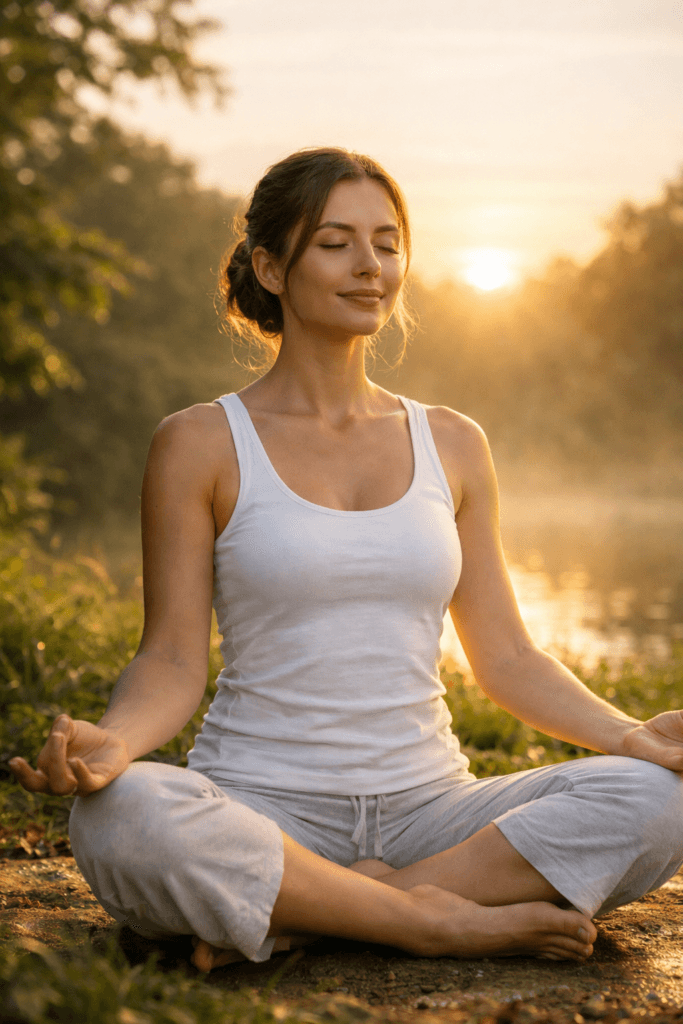
Stress and anxiety have become part of daily life. But yoga for stress and anxiety offers one of the most effective natural solutions. Yoga uses simple breathing, gentle movements, and mindful awareness. These practices help your body relax, calm your thoughts, and bring emotional balance—naturally and without medication.
Yoga creates long-term resilience against stress by training both your body and brain to relax on demand.
Yoga works even better when combined with mindful daily habits. Yoga Beyond the Mat explores how yoga extends beyond physical poses and supports mental well-being in daily life.
Yoga for stress and anxiety works by activating the parasympathetic nervous system. It also lowers cortisol, slowing the breath and calming the mind. By combining movement, breathing, and mindfulness, yoga trains the body to relax naturally even during stressful situations.
.
How Yoga Changes Your Stress Response
When you feel anxious, your body enters fight-or-flight mode. Yoga reverses this by activating the parasympathetic nervous system (the relaxation system).
This causes:
- Slower heart rate
- Lower cortisol (stress hormone)
- Deeper breathing
- Reduced muscle tension
- Clearer thinking
Yoga does not just calm the mind—it changes your biochemistry.
Why Yoga Works Better Than Just Relaxing
Watching TV or scrolling may distract you, but yoga physically trains your nervous system.
| Regular Relaxation | Yoga |
|---|---|
| Temporary relief | Long-term stress control |
| Passive | Active nervous system reset |
| Mind only | Mind + breath + body |
| No brain training | Builds emotional regulation |
This is why yoga is used in trauma therapy, PTSD recovery, and anxiety treatment programs worldwide.
When combined with simple habits like walking, yoga becomes even more effective—especially when you understand the long-term Emotional Benefits of Walking for both body and mind.
Breathing Techniques That Instantly Reduce Anxiety
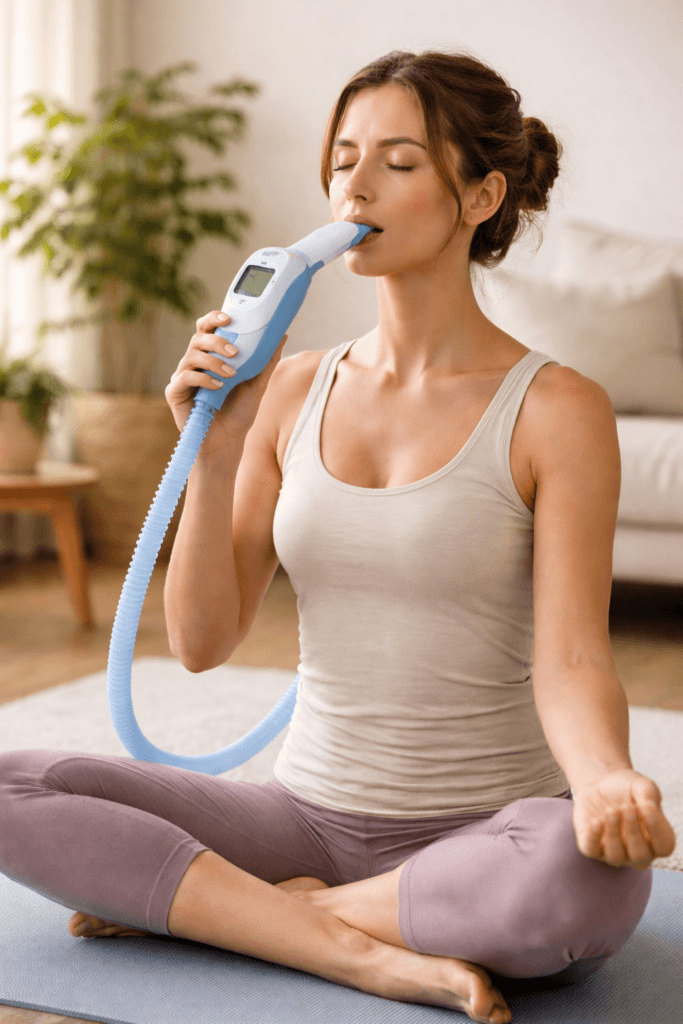
These pranayama techniques can calm your mind within minutes:
1. Deep Belly Breathing
Inhale slowly into your belly, then exhale for a longer time than you inhaled. This gentle breathing pattern signals safety and calm to the brain.
2. Alternate Nostril Breathing
Balances both sides of the nervous system and reduces racing thoughts.
3. Extended Exhale Breathing
Inhale 4 seconds → exhale 6–8 seconds
This directly lowers anxiety.
Best Yoga Poses for Stress Relief
These poses tell your nervous system to relax:
| Pose | Benefit |
|---|---|
| Child’s Pose | Safety & emotional grounding |
| Legs-Up-the-Wall | Calms heart rate |
| Forward Fold | Releases mental tension |
| Corpse Pose (Savasana) | Full nervous system reset |
| Seated Twist | Reduces stress hormones |
Practicing these for 10–15 minutes daily can dramatically lower anxiety levels.
Yoga and Mindfulness: The Anti-Anxiety Connection
Anxiety is caused by:
Living in the future mentally
Yoga trains you to return to the present moment through breath and movement. This creates:
- Emotional stability
- Less overthinking
- Greater mental clarity
- Increased self-control
This is why yoga is often called moving meditation.
Yoga Improves Sleep (Which Reduces Anxiety)
Poor sleep increases anxiety.
Yoga improves sleep by helping the body relax and the mind slow down.
- Relaxing the nervous system
- Reducing cortisol
- Releasing physical tension
Better sleep = better emotional regulation.
How Often Should You Practice Yoga for Stress?
For anxiety relief:
- Daily = Best
- 3–5 times per week = Very effective
- Even 10 minutes per day works
Consistency matters more than intensity.
Why Yoga Reduces Stress and Anxiety Naturally
1. Lowers Stress Hormones
Yoga enhances the low levels of cortisol, which is the major stress hormone. It activates the relaxation mechanism in the body. It makes you feel more relaxed and grounded through the use of mild motion and conscious breathing.
2. Boosts Mood
Regular yoga practice promotes the release of endorphins and other positive chemicals. It enhances emotional stability and helps you feel more relaxed and happier.
3. Encourages Mindfulness
Yoga makes you remain in the moment, paying attention to your body and breath. This conscious awareness will lessen overthinking and anxiety and will assist you in controlling your mind.
4. Balances the Nervous System
Yoga triggers the parasympathetic nervous system, or rest-and-digest mode. which is the opposite of the fight-or-flight stress mode. This decreases heart rate and blood pressure and puts the body into a relaxed state.
5. Enhances Sleep and Emotional Strength.
Practices like restorative poses and gentle breathing can improve your sleep and help you respond to stress more calmly.
Yoga Nidra: Stress Relief Yoga.
Gentle movement practices such as yoga work beautifully alongside mindful routines like the 6-6-6 Walking Method, which helps calm the nervous system naturally.
Useful yoga elements that can be used to alleviate stress and anxiety:
1. Breathing (Pranayama) Exercises.
Deep breathing,
Alternate nostril breathing,
Guided breathing relaxes the nervous system and relieves emotional tension.
1. Breathing Trainer (High EPC)
Recommended: Breathing Trainer Device
Use case: Panic attacks, fast anxiety relief, vagus nerve stimulation
Why it converts
- Clinical-style tool
- Instant emotional relief
- High perceived value
Check Price—Breathing Trainer for Anxiety Relief
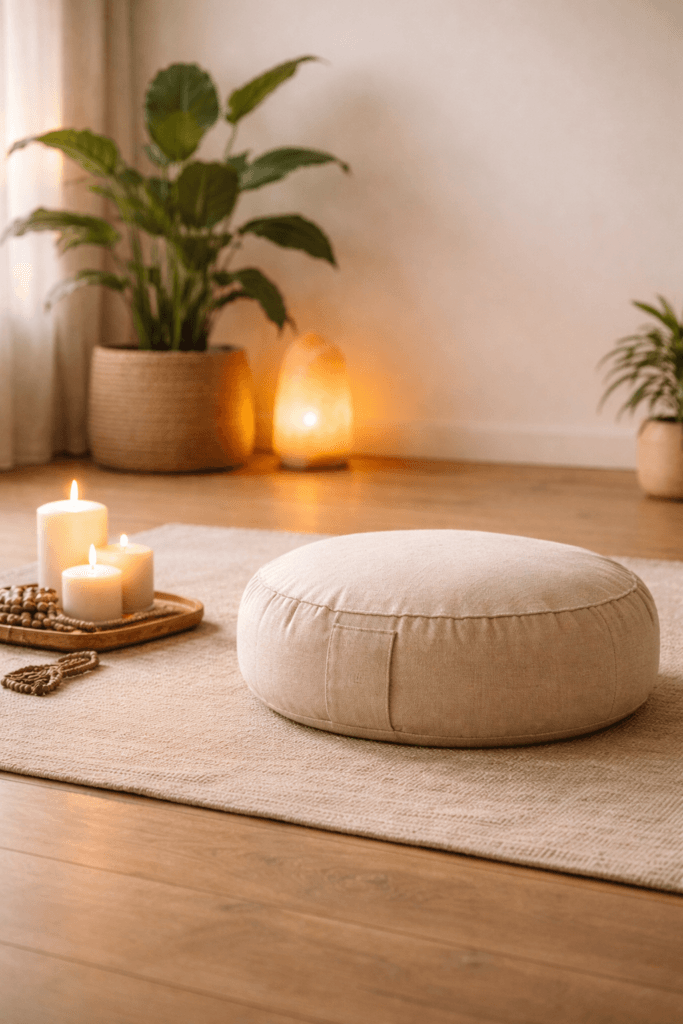
2. Meditation Cushion (Lifestyle Buyers)
Recommended: Ergonomic Meditation Cushion
Why
- Better posture = deeper breathing
- Essential for meditation & pranayama
- Very popular in yoga buyers
View Best Meditation Cushions for Stress Relief
3. Yoga & Breath Timer App
Recommended: Yoga & Breath Timer App
Why
- People want guidance
- High retention
- Subscription-based
Start Free Breath & Meditation Timer
Final Thoughts
Yoga deals with stress and anxiety in an effective and natural way, which is inevitable in contemporary life. Moving carefully, breathing, and meditating, yoga helps to change your nervous system to a balanced and relaxed state.
Begin with small sessions daily—even 10-15 minutes can change something. This, in turn, makes yoga your weapon of inner comfort and emotional empowerment.
Staying consistent with yoga can be challenging at first, which is why learning about Self Discipline and Procrastination can help you build a lasting and stress-free routine.
Ready to Feel Calm Again?
Combine yoga, breathing tools, and mindfulness to naturally reset your nervous system.
Start with the Breathing Trainer
Add a Meditation Cushion
Use a Daily Breath Timer
FAQ
Is it true that yoga can help overcome anxiety on its own?
Yes. Yoga sessions allow one to decrease stress and anxiety, reducing nervous system activity, and enhancing relaxation.
What is the recommended frequency of practicing yoga in order to become less stressed?
Exercising daily or five to three times a week is a good solution to relieve stress and enhance well-being.
Is it required that I should be flexible in order to practice yoga as a way of alleviating stress?
Not at all! Yoga is for everyone. The flexibility comes with time, and it is the breath and mindfulness that should be focused on, rather than perfection in poses.
Does yoga enhance the quality of sleep?
Yes. Yoga is also good for relaxation, decreasing tension, and sleeping better, and this decreases stress indirectly.
Is yoga a replacement for medical treatment of anxiety disorders?
Yoga is a good complementary treatment that cannot substitute professional treatment in need. It is effective when used with the other therapies or way of life.