
Introduction
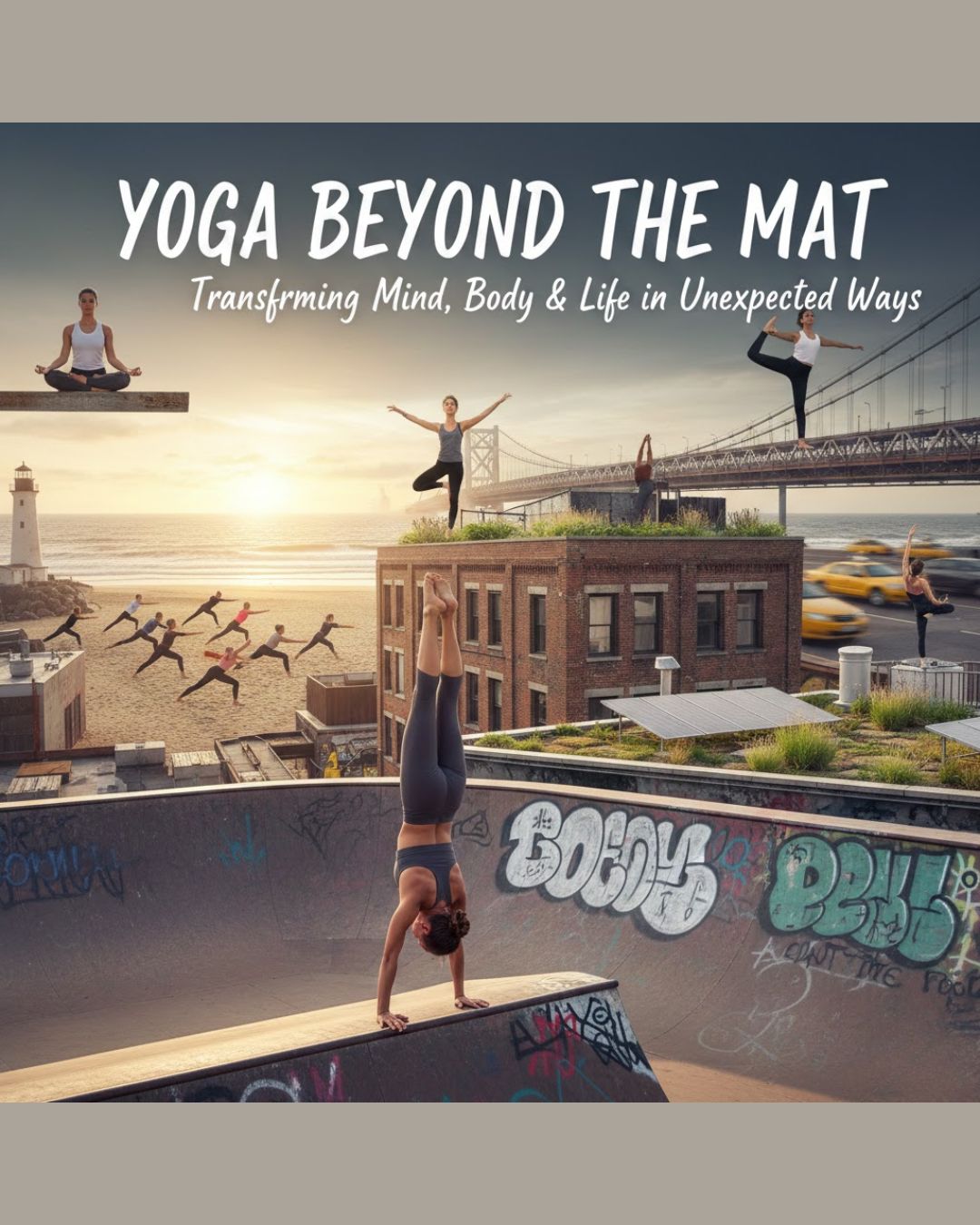
Yoga beyond the mat is not just about physical postures or flexibility. Yoga is a complete lifestyle practice. It shapes the mind, strengthens emotional balance, improves brain power, and supports long-term well-being. Many people start yoga for fitness. They soon discover that its actual impact reaches far deeper—into daily habits, thoughts, and how we respond to life.
Yoga blends movement, breath, and awareness. This powerful combination helps reduce stress, sharpen focus, enhance creativity, and support mental clarity. Modern science now supports ancient yogic wisdom: yoga is a tool for living better, not just exercising better.
In this guide, you will discover how yoga works beyond the mat. How it changes emotions and the brain. How to incorporate basic yoga techniques into your daily life, regardless of your level of experience.
Yoga for Mental Clarity and Brain Power
Research shows that yoga improves attention, reduces mental fatigue, and supports cognitive performance. Yoga is not just a body workout; it is brain training. Regular yoga practice improves concentration, memory, and mental sharpness. Conscious breathing and mindfulness in yoga enhance the brain’s ability to process information calmly and efficiently.
Balancing poses and gentle inversions support healthy blood flow to the brain. At the same time, mindful awareness reduces mental noise and distractions. Over time, this leads to better focus and clearer thinking.
If you want to explore poses that specifically support brain health, read our in-depth guide on yoga poses to improve brain power.
Emotional Balance and Mindfulness Through Yoga
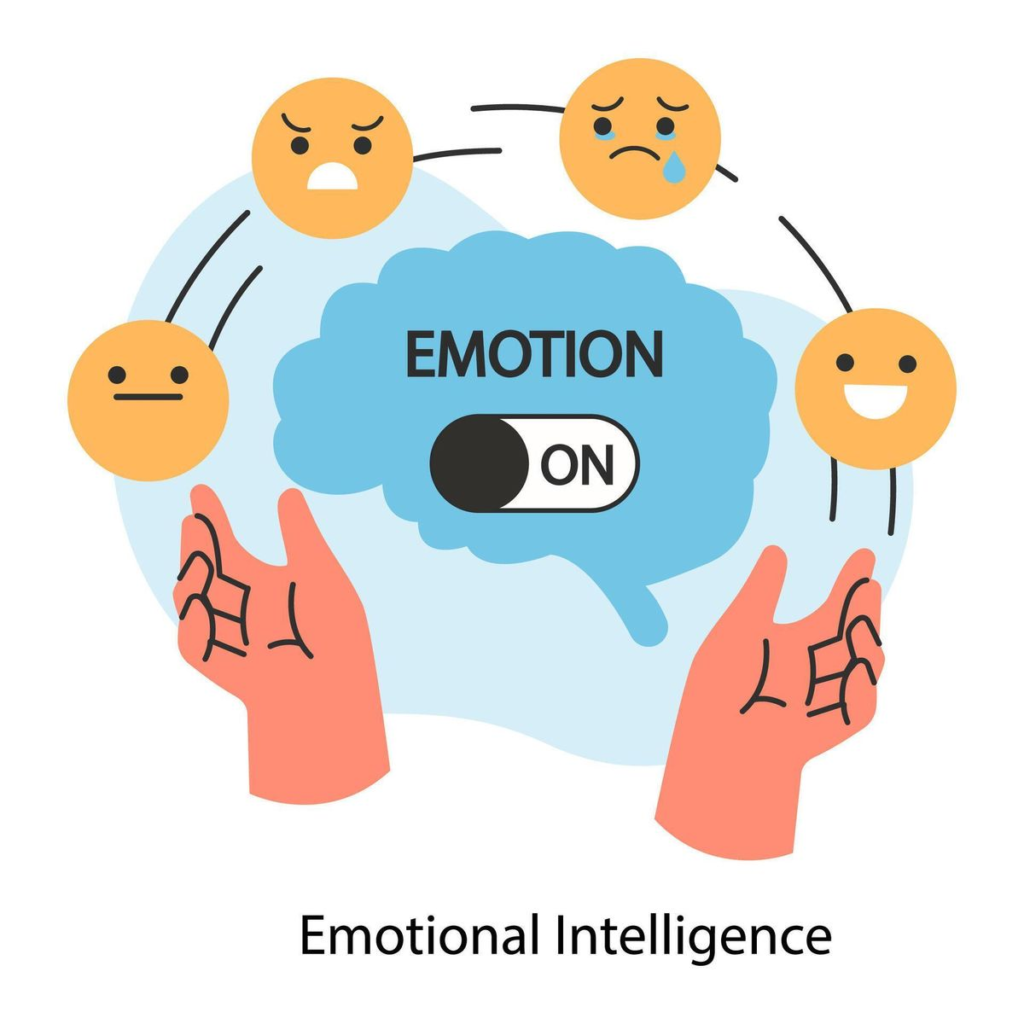
One of the greatest benefits of yoga beyond the mat is emotional awareness. Yoga teaches us to pause, observe, and respond instead of reacting automatically.
Through awareness-based meditation and controlled breathing, improve emotional regulation and resilience during stress. Yoga helps you:
- Understand emotions more clearly
- Reduce stress and anxiety
- Improve emotional resilience
- Develop empathy and patience
Daily mindfulness practices strengthen emotional regulation. This is especially helpful for people dealing with work pressure, family responsibilities, or mental fatigue.
To deepen your practice, explore the importance of mindfulness and breath awareness and how it supports emotional well-being.
Yoga Nidra for Deep Sleep and Nervous System Reset
Quality sleep is essential for both mental and physical health. Yoga offers powerful tools to improve sleep naturally, especially through Yoga Nidra, also known as yogic sleep.
Gentle stretches, slow breathing, and guided relaxation calm the nervous system. These practices lower stress hormones and prepare the body for deep rest. Yoga Nidra helps release mental tension accumulated during the day and supports emotional healing.
If you are interested in deeper restorative practices, you may also explore ten-day silent meditation retreats to reset the mind completely.
Micro-Meditations: Yoga in Small Daily Moments
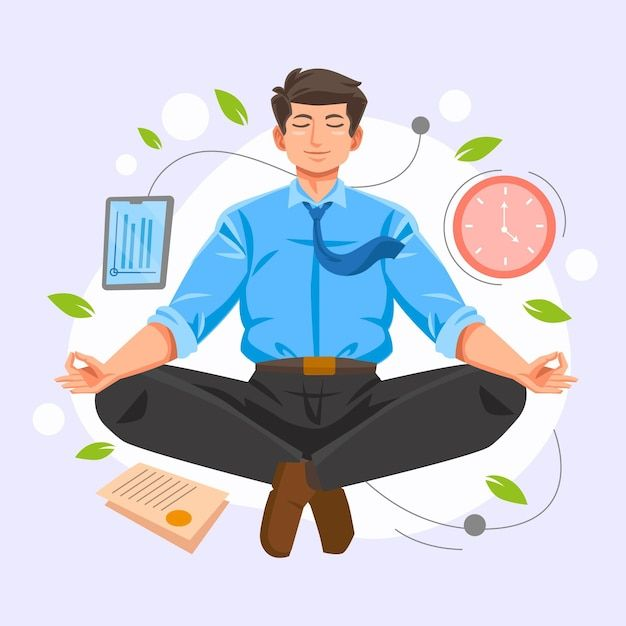
Yoga does not need to happen only on a mat. Micro-meditations allow you to practice yoga anywhere—at work, while commuting, or during household tasks.
Simple practices include:
- One minute of slow breathing
- Conscious posture correction
- Brief body awareness during breaks
- Mindful walking
These small moments of awareness significantly reduce stress and improve focus. Over time, they help you stay calm and present throughout the day.
You may also enjoy learning how walking with nature enhances mindfulness and mental clarity.
Yoga and Anti-Aging: Supporting Cellular Health
Yoga supports the body at a cellular level. Gentle movement improves circulation, reduces inflammation, and supports immune function. Conscious breathing increases oxygen delivery to cells, promoting vitality and long-term health.
Regular yoga practice:
- Supports healthy aging
- Maintains joint mobility
- Improves energy levels
- Enhances overall body awareness
While yoga is not a cure, it supports healthy aging naturally by keeping both body and mind active and balanced.
Pranayama: Fast Stress Relief Through Breathing
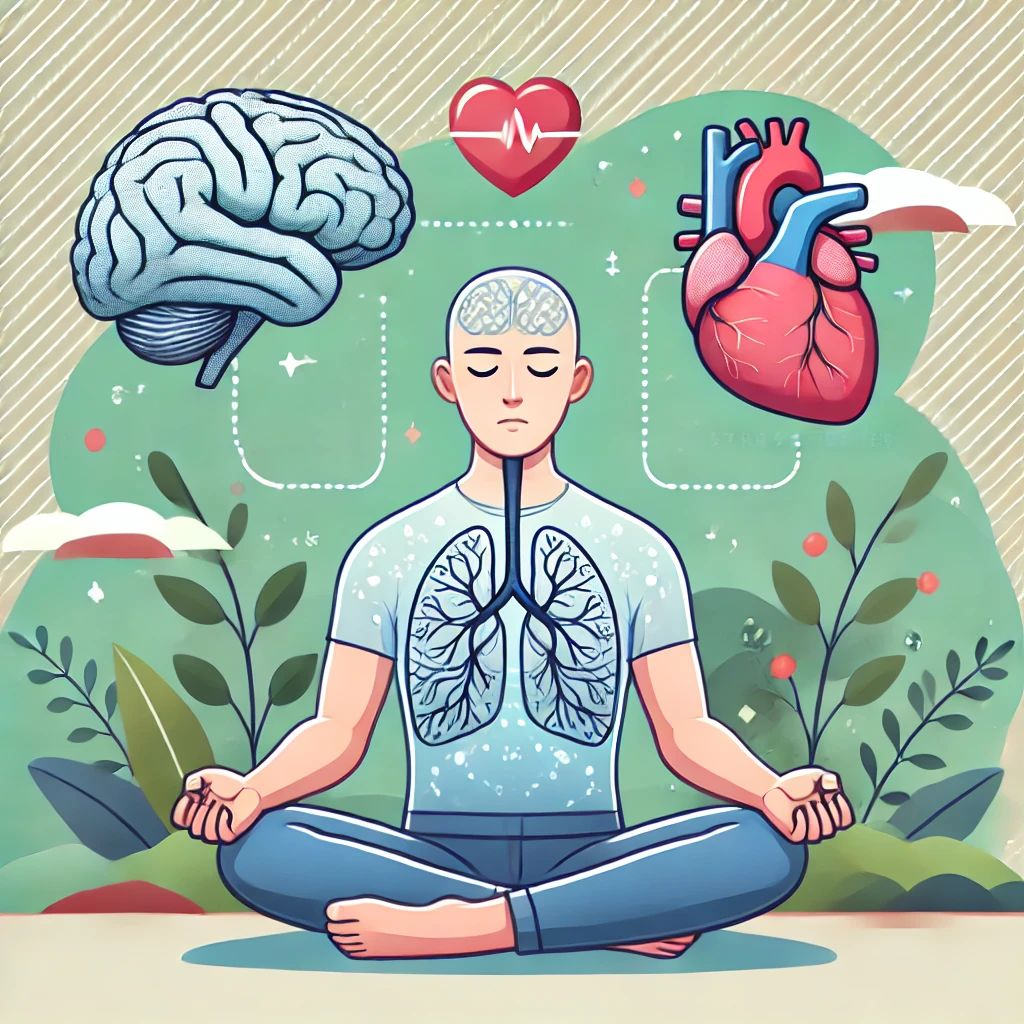
Pranayama, or yogic breathing, is one of the most effective tools for stress management. Techniques such as deep diaphragmatic breathing and alternate nostril breathing calm the nervous system within minutes.
Benefits of pranayama include:
- Lower cortisol levels
- Improved focus
- Emotional stability
- Faster relaxation response
These breathing practices are especially helpful during high-stress moments when emotions feel overwhelming.
For daily stress management, you can combine pranayama with self-discipline and procrastination techniques to build mental strength.
Yoga for Creativity and Problem-Solving
Yoga stimulates both sides of the brain. This balanced activation improves creativity, flexible thinking, and problem-solving ability. Flow-based yoga sequences encourage mental openness and adaptability.
Creative professionals often notice that yoga helps them:
- Think more clearly
- Approach challenges calmly
- Generate new ideas
- Stay mentally flexible
By reducing mental clutter, yoga creates space for innovation and insight.
Building Mental Resilience Through Yoga
Mental resilience is the ability to stay steady during life’s challenges. Yoga strengthens this quality by training awareness, patience, and emotional control.
With consistent practice, yoga helps:
- Reduce anxiety and burnout
- Improve emotional regulation
- Strengthen inner stability
- Increase mental endurance
This makes yoga a powerful long-term tool for stress relief and emotional balance.
Living Yoga in Everyday Life
The true essence of yoga beyond the mat is integration. Yoga becomes meaningful when it shapes how you live, think, and respond each day.
Simple ways to live yoga include:
- Starting the morning with conscious breathing
- Practicing mindful eating
- Taking short awareness breaks during work
- Ending the day with gratitude or reflection
Even small habits create lasting transformation when practiced consistently.
You can support your daily wellness routine with helpful tools. Try the best fitness trackers for seniors to keep track of your movement and recovery.
Conclusion
Yoga is far more than physical exercise. It is a way of living with awareness, balance, and clarity. When practiced beyond the mat, yoga sharpens the mind, stabilizes emotions, improves brain function, and supports overall well-being.
Yoga can improve mental and emotional health. You can do this by adding micro-meditations, mindful breathing, and conscious movement to your daily life. Over time, these practices can make a positive difference. Start small, stay consistent, and allow yoga to transform not just your body but your entire life.

