

Introduction
Yoga and Ayurveda for Holistic wellness—my personal journey + science + tradition
What if your daily routine could feel easier, calmer, and more nourishing? Yoga and Ayurveda offer a simple path. Yoga is movement, breath, and mindfulness that trains your body and mind. Ayurveda is a natural health system that focuses on balance through food, sleep, routines, and herbs. Both aim for the same outcomes: a clear mind, strong digestion, steady energy, and good sleep. They also use doshas, the body-mind types called Vata, Pitta, and Kapha, to guide choices that match your needs. In this guide, you will find practical, safe tips that fit into real life. Expect help with stress relief, better gut health, deeper sleep, and joint comfort. Let’s keep it gentle, realistic, and useful.
Why I Trust Yoga and Ayurveda for Holistic wellness (and You Might Too)
Let me say it right away—
Yoga and Ayurveda for Holistic wellness changed my life in a way no crash diet, gym challenge, or motivational quote ever did.
I didn’t begin this journey to become “spiritual” or to sit in caves in the Himalayas
I started because:
- My body felt tired
- My mind was always busy
- Stress felt normal (ugh)
- Sleep? Inconsistent
- Energy? Up and down like a roller coaster
Sound familiar?
The first time I tried a simple breathing practice + warm herbal tea + a few yoga stretches…
I felt grounded. Human. Alive.
Not rushed. Not anxious.
Just present.
And I thought…
“Why aren’t we all doing this?!”
So here we are
This is your guide to using Yoga and Ayurveda for Holistic wellness—with real examples, emotions, routines, humor, and heart.
The Ancient Roots: Where Yoga & Ayurveda Began
Both Yoga and Ayurveda came from the same ancient Vedic wisdom.
Think of them as sister sciences—born to support your body, mind, and spirit.
Ayurveda = how you eat, rest, heal, and live
Yoga = how you move, breathe, focus, and grow spiritually
It’s not religion.
It’s biology + psychology + soul medicine.
Ayurveda is the science of life. Yoga is the practice of that science.
They weren’t created for gyms or spas. They were designed for ordinary humans like us who want to live stronger, calmer, more meaningful lives.
Why Yoga and Ayurveda Belong Together for Mind-Body Balance
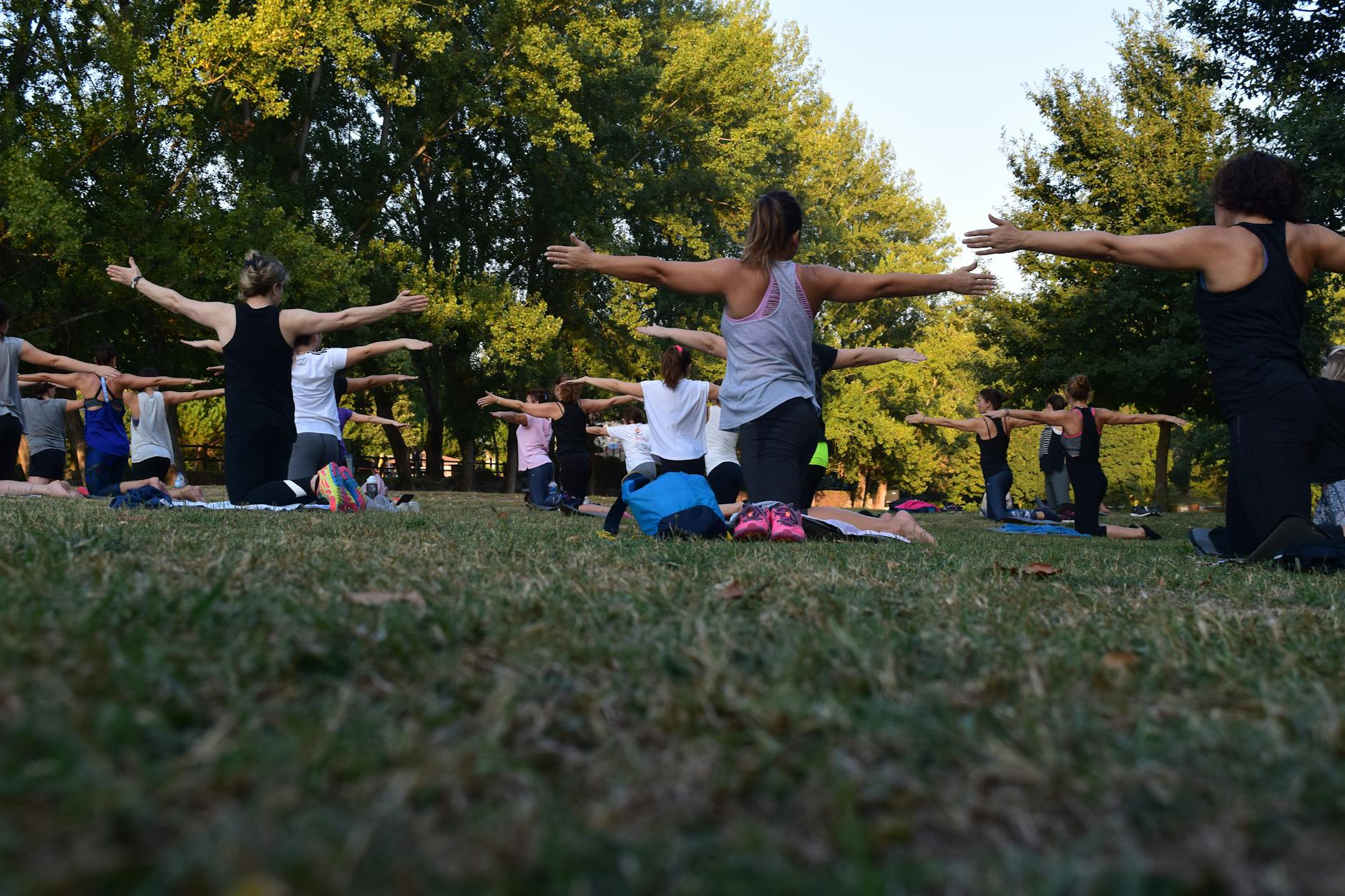 Photo by Rui Dias
Yoga and Ayurveda grew from the same roots, and they share the same goals. Yoga uses posture, breath, and attention to build strength, mobility, and calm. Ayurveda focuses on daily habits, diet, and natural supports to keep you balanced through the seasons and life stages. When you pair them, you get a complete toolkit that supports your whole system, not just one part.
Both traditions talk about three key ideas. Prana is your energy and breath, the fuel that moves you. Agni is your digestive fire, the strength of your digestion and metabolism. Ojas is your reserve of resilience, the feeling of steady vitality and glow. When prana flows well, agni stays strong, and ojas builds over time.
This shared view makes your practice more personal and effective. You adjust your yoga based on your dosha, your stress level, and your day. You match your meals to your needs and season. This is not guesswork. It is a practical way to work with your body. For a deeper primer on how the two systems fit, see this overview of the yoga and Ayurveda connection.
The Philosophy Behind This Wisdom

The philosophy is simple:
- Your body, mind, and soul are connected.
- When one suffers, all suffer.
- Wellness = alignment + balance + awareness.
This is why yoga and Ayurveda for holistic fitness never feel forceful.
You heal gently.
You grow slowly.
You return to yourself patiently.
It’s like nature—never rushing, yet powerful.
Know Your Energy Type (Doshas)
In Ayurveda, everyone has a dominant dosha (energy type):
| Dosha | Description | Struggle | Needs |
| Vata (Air & Space) | Creative, fast | Anxiety, dry skin, bloating | Warm food, slow yoga, grounding |
| Pitta (Fire & Water) | Focused, ambitious | Anger, heat, acidity | Cooling food, slow breathing |
| Kapha (Earth & Water) | Calm, loving | Weight gain, fatigue | Light food, energizing yoga |
No type is “better.”
We’re a mix—but knowing yours helps you choose routines that love your body back.
You can take a free dosha quiz here
Breathwork & Meditation: Cultivating Inner Peace
If I could give you one practice for the next 7 days, it would be this:
Breathe. Slowly. Deeply. Daily.
Why?
Because the breath calms the nervous system, balances hormones, and improves digestion and sleep.
My go-to practices:
- Alternate Nostril Breathing (Nadi Shodhana) – mood & focus
- Bhramari (Humming breath) – anxiety relief
- Deep belly breathing – emotional balance
And meditation?
Trust me—you don’t need to “empty your mind.”
Just sit. Breathe. Observe.
Even 5 minutes builds peace like nothing else
Yoga and Ayurveda for Holistic Fitness
Harvard Health and affiliated research have documented the medical benefits of yoga, which include stress management, improved heart health, support against frailty in older adults, and relief from chronic back pain. These effects are linked to yoga’s influence on the nervous system, its capacity to reduce inflammation, and its integration of physical postures, breathing techniques, and meditation.
People ask me:
“Is Yoga enough for fitness?”
YES.
Especially when combined with Ayurvedic living.
Yoga tones your body.
Ayurveda fuels your body.
Together → holistic fitness (not just abs… but peace too)
- Flexibility
- Strength
- Balance
- Hormone support
- Calm nervous system
Modern science agrees — yoga improves:
- Heart health
- Sleep cycles0
- Stress response (bye cortisol )
- Immunity
- Emotional balance
Mind-Body Balance Practices
Ayurveda and Yoga both teach:
Your mind is not a guest. It lives in your body.
This means:
- Eat with peace → digest better
- Move gently → calm nervous system
- Slow down → listen to yourself
- Rest deeply → heal deeper
It’s emotional, physical, spiritual, and so beautifully human.
Benefits of Yoga and Ayurveda (Real + Science-backed)
Emotional + Mental Health
- Less anxiety
- Better mood
- More clarity & confidence
Sleep & Hormones
- Deep sleep cycles
- Balanced menstrual + thyroid health
- Reduced cravings & stress eating
Fitness & Weight Balance
- Improved digestion
- Healthy metabolism
- Lean strength, not stress fat
Energy & Longevity
Strong immunity
Better stamina
Glowing skin (yes please!)
My Personal Daily Routine
People often ask me:
“What do YOU do every day?”
Here’s my honest wellness flow:
- Warm water + quiet breathing
- Stretching + 5 Sun Salutations
- Herbal tea + mindful breakfast
- Light lunch (biggest meal)
- Walk at sunset
- Warm oil foot massage
- No screen 1 hour before sleep
- Gratitude or prayer
Feels simple.
Feels sacred.
Feels like me coming home to my body.
Beginner Plan: Just 10 Minutes/Day
A balanced day is not complicated. Think small wins that repeat. Use dosha-aware choices to match your body’s needs. Over time, these basics create lasting change.
For more inspiration on how yoga supports doshic balance, this overview on the benefits of yoga from an Ayurvedic perspective offers clear examples.
No excuses. No pressure.
Just start here
Morning (5 minutes)
- 2 minutes deep breathing
- 3 minutes gentle stretches
Evening (5 minutes)
- 1 minute gratitude
- 4 minutes relaxing breath / legs-up-wall
Simple → Sustainable → Powerful
Foods, Herbs & Rituals
Ayurveda loves real food, warm meals, and gentle herbs:
Ayurveda is a holistic medicine system from India that emphasizes the balance between the body and mind, based on the belief in five elemental components: air, water, space, fire, and earth. These elements correspond to three doshas—pitta, vata, and kapha—each governing distinct physiological functions such as appetite, movement, and joint health. The Ayurvedic diet focuses on identifying an individual’s dominant dosha and consuming tailored foods to achieve equilibrium among the doshas, promoting overall health and wellness.
Eat to match your practice: simple, dosha-aware meals
- Vata: favor warm, moist meals. Sample breakfast: oatmeal with stewed apples and cinnamon.
- Pitta: favor cooling, moderate spice. Sample breakfast: chia pudding with berries and mint.
- Kapha: favor light, warming, and spicy. Sample breakfast: spiced millet porridge with ginger and cardamom.
Use herbs with care. Ashwagandha, triphala, or other supplements can interact with meds. Check with a clinician if you have conditions or take prescriptions.
- Warm water for digestion
- Turmeric milk for inflammation
- Ashwagandha For stress relief
- Ginger tea for metabolism
- Triphala for gut health
Herbs work best with lifestyle—not alone.
Mistakes I Made (So You Don’t Have To)
- Doing intense workouts when stressed
- Eating salads thinking it’s “healthy” (my Vata body hated it)
- Trying to meditate perfectly (lol)
- Expecting overnight magic
Wellness = compassion + curiosity + consistency
Key Benefits of Yoga and Ayurveda Together (Backed by Tradition and Science)
When you pair mindful movement with daily routine, you help your nervous system settle. Slower breathing and gentle sequences can reduce muscle tension and calm the mind. That sets the stage for better digestion, improved sleep, and more comfortable joints. Keep claims modest and focus on consistency. Results come from steady practice.
For an accessible walkthrough that aligns with traditional principles, this piece on integrating yoga and Ayurveda outlines how postures and lifestyle work together.
Stress relief and mood: calm the nervous system with breath and movement
Try a 5-minute reset. Sit tall. Practice 4-6 breathing, inhale for 4 counts, exhale for 6 counts, for 10 rounds. Then do a short body scan, relax your jaw, shoulders, belly, and hips. This can help focus and reduce midday energy crashes.
Better digestion and gut comfort: support your agni
Mindful eating and gentle twists can reduce bloating. Sip warm water during the day. Take short walks after meals. Try cat-cow and a seated twist for 6 slow breaths each. Simple spices, like ginger or cumin, may help, but check allergies and medications first. Chew well, avoid screens with meals, and stop at satisfied, not stuffed.
Deeper sleep and steady energy: set your rhythm
Create a wind-down routine. Do 10 minutes of legs-up-the-wall, try box breathing, inhale 4, hold 4, exhale 4, hold 4, and turn off screens at least 30 minutes before bed. Eat dinner earlier when possible. Keep a regular bedtime and wake time. A short mid-day yoga break can lift energy without caffeine.
Joint mobility and pain relief: move with care and consistency
Gentle range-of-motion flows and supported stretches ease stiffness. Heat can help, like a warm shower before practice. Try three moves: child’s pose, low lunge, and figure-four stretch, 5 slow breaths each. Choose consistency over intensity. Your joints love regular, kind movement.
Morning reset: wake light, move gentle, set your focus
Plan for 10 to 15 minutes. Start with tongue scraping and warm water. Take 5 sun breaths, inhale as arms rise, exhale as they lower. Choose a dosha-fit flow. Vata, slow and grounding, think cat-cow and low lunge. Pitta, gentle and cooling, think side bends and supported forward fold. Kapha, brisk and energizing, think half sun salutations and chair pose. Add a one-line intention like, “I move with ease.”
Final Thoughts
If you take one thing from this article, let it be this:
“Your body is not asking for punishment. It’s asking for care.”
Try Yoga and Ayurveda for Holistic wellness ~ gently, daily, lovingly.
You don’t need perfection.
You just need presence.
I’m cheering for you

