
Affiliate Disclaimer
This post contains affiliate links. When you buy through these links, I may earn a small commission at no extra cost to you.
Introduction
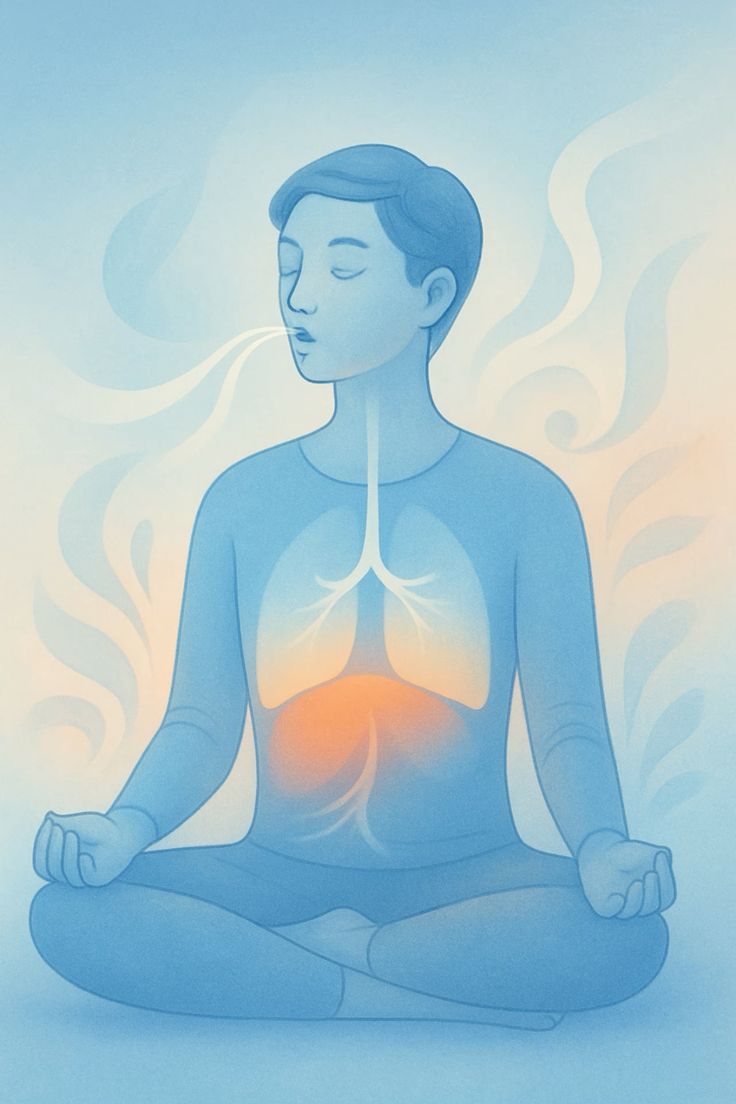
Stress-relieving breathing techniques are one of the fastest and most natural ways to calm the nervous system in today’s fast-paced world. Constant notifications, work pressure, emotional overload, and mental fatigue keep the body in a state of chronic alert.
While long holidays and extended relaxation routines sound ideal, they are rarely practical in daily life. What most people truly need is a quick, effective, and science-backed method to relax the mind and body within minutes. Conscious breathing offers exactly that.
Breathing techniques work because breathing is both automatic and voluntary. This special ability helps us switch the body from stress to relaxation in just 2–5 minutes. This change can quickly improve mood, clarity, and emotional balance.
How Stress Affects Breathing and the Nervous System
When the body is stressed, breathing becomes shallow, fast, and irregular. This pattern signals danger to the brain, keeping stress hormones like cortisol and adrenaline elevated.
Over time, stree leads to:
- Chronic muscle tension
- Anxiety and restlessness
- Mental exhaustion
- Emotional imbalance
Slow, deep breathing reduces stress and reverses this response by activating the parasympathetic nervous system. This is also known as the rest-and-digest state. Heart rate slows, muscles relax, and the mind becomes steady. That is why breathing techniques are among the quickest tools for stress relief without medication
For scientific insight into breathing and nervous system regulation, refer to https://www.ncbi.nlm.nih.gov/pmc/ (National Institutes of Health). (Dofollow external authority link)
Why Stress-Relieving Breathing Techniques Work in Under 5 Minutes
Most relaxation practices require time, space, or physical effort. Breathing techniques are different.
They:
- Work anywhere
- Requires no equipment
- Create immediate physiological changes
Within minutes, oxygen flow improves, blood pressure begins to lower, and mental chatter quiets. Unlike mental exercises, breathing naturally anchors attention in the present moment—making it easy, even for beginners.
Best Stress-Relieving Breathing Techniques for Quick Calm
Some breath methods are particularly useful in alleviating stress in a short period of time. All of the methods slightly differ, yet they are all geared at calming the nervous system down and creating a sense of balance again.
Deep Belly Breathing (Diaphragmatic Breathing)
Deep belly breathing engages the diaphragm rather than the chest, allowing the lungs to fully expand. Diaphragmatic breathing is an effective method of dealing with stress. The breath is not inhaled into the chest but into the abdomen, which is deep.
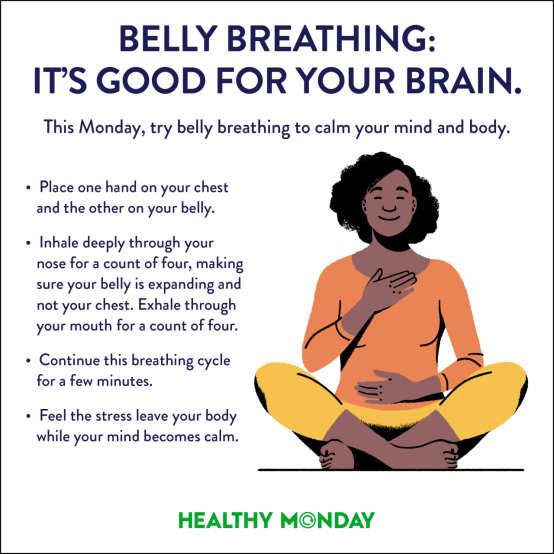
How to practice:
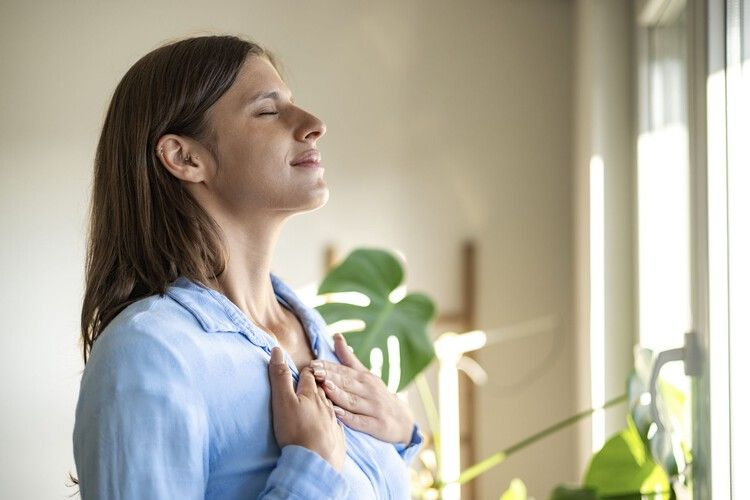
- Place one hand on the chest and one on the abdomen
- Inhale slowly through the nose, letting the belly rise
- Exhale slowly through the nose or mouth
Practicing this for 2–5 minutes lowers heart rate and reduces physical tension almost immediately.
The method is especially useful when one is anxious, emotionally overwhelmed, or mentally tired.
Slow Count Breathing
Slow-count breathing assists in controlling the rhythm of the breath, which directly affects emotional stability. Breathe out slowly in a count of four, followed by a pause, and then breathe out in a count of six. The prolonged breathing is an indication that the body is relaxing.
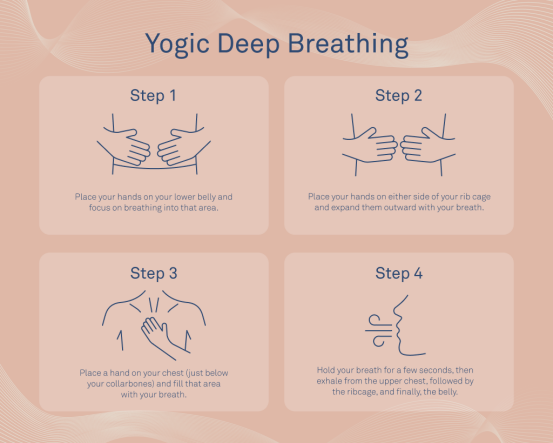
How to practice:
- Inhale for 4 counts
- Exhale for 6 counts
A longer exhale signals safety to the brain, helping regain emotional control and clarity within minutes.
The method is helpful when one is under pressure and when one cannot control his or her thoughts. The body automatically gets into a calm state by extending the exhale. Even a few minutes of this exercise will make one feel a sense of control and be able to think clearly again.
Alternate Nostril Breathing
Alternate nostril breathing balances brain activity and stabilizes emotions.
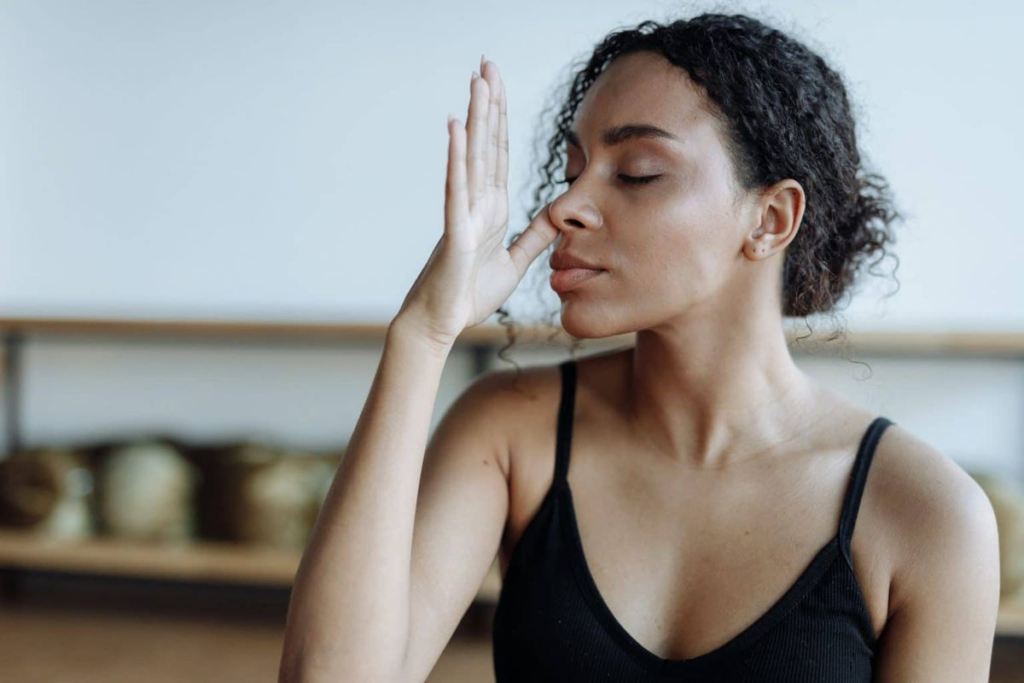
How to practice:
- Close one nostril and inhale through the other
- Switch nostrils on the exhale
- Continue slowly and rhythmically
It is a method of decreasing mental agitation, enhancing attention and stabilizing emotions. It comes in handy, particularly prior to key activities, appointments, or point-making. A brief session can produce a perceptible composure and equil
Box Breathing
Box breathing introduces rhythm and structure to the breath.
How to practice:
- Inhale for 4 counts
- Hold for 4
- Exhale for 4
- Hold again for 4
This technique is highly effective during intense stress or pressure-filled moments.
The box breathing technique helps organize the lungs and the mind. It is great for very stressful situations. It assists in slowing the heart rate and decreases the level of stress responses within a short period.
Tools That Enhance Breathing Practice
Breathing Trainer Device
Breathing trainer devices provide gentle resistance, helping strengthen the diaphragm and slow the breath naturally.
Benefits:
- Encourages deep, controlled breathing
- Reduces shallow chest breathing
- Activates the relaxation response faster
See the best-rated breathing trainer for stress relief. →
(Dofollow affiliate link)
Meditation Cushion for Comfortable Breathing
A meditation cushion supports upright posture, allowing better lung expansion during breathing exercises.
Why it helps:
- Improves spinal alignment
- Reduces back strain
- Enhances focus during breath awareness
Find the most comfortable meditation cushion for breathing practice →
(Dofollow affiliate link)
Breathing Timer or Guided App
Breathing timers guide inhale and exhale cycles, removing mental effort from counting.
Best for:
- Box breathing
- Slow count breathing
- Workplace stress relief
Try a guided breathing timer for instant calm →
(Dofollow affiliate link)
Using Breathing Techniques Throughout the Day
The true power of breathing techniques lies in consistency. Short breathing breaks can be practiced:
- At work
- Before meals
- While commuting
- Before sleep
Breathing works even better when combined with gentle movement like walking. Learn more about the benefits of walking here:
https://benvitalfive.com/benefits-of-walking/ (Internal dofollow link)
Breathing, Mindfulness, and Yoga
Breathing is the foundation of mindfulness and yoga. It bridges the gap between body and mind, making deeper practices more accessible.
For a holistic understanding of how breath, mindfulness, and yoga create long-term transformation, explore the pillar guide Yoga Beyond the Mat: Transforming Mind, Body, and Life in Unexpected Ways.
https://benvitalfive.com/yoga-beyond-the-mat/ (Internal dofollow link)Conclusion
Stress does not always require complex solutions. With stress-relieving breathing techniques, you can calm your nervous system in under five minutes—naturally and effectively.
With regular practice, these techniques build long-term emotional resilience, mental clarity, and inner stability. Mindful breathing becomes a powerful anchor that keeps you grounded and calm in any situation.
FAQ :
Q1. Can breathing really reduce stress in under 5 minutes?
Yes. Slow, controlled breathing activates the parasympathetic nervous system, lowering heart rate and cortisol within minutes.
Q2. Which breathing technique works fastest for anxiety?
Box breathing and deep belly breathing are among the fastest techniques for calming acute anxiety.
Q3. How often should I practice breathing exercises?
Short sessions 2–3 times a day are more effective than occasional long sessions.
Conclusion
Stress does not always require complex solutions. Some of the most powerful tools are already within us.
With stress-relieving breathing techniques, you can calm your nervous system in under five minutes—naturally and effectively. Regular practice builds long-term resilience, clarity, and emotional balance.
In a fast-paced world, mindful breathing is a steady anchor—helping you stay calm, focused, and grounded no matter what arises.

