
Introduction
Of all the practices I have studied and observed over forty years, none is as universally accessible and immediately effective as conscious breathing. You do not need a gym, equipment, or even much time. You need only your breath — and the knowledge of how to use it.
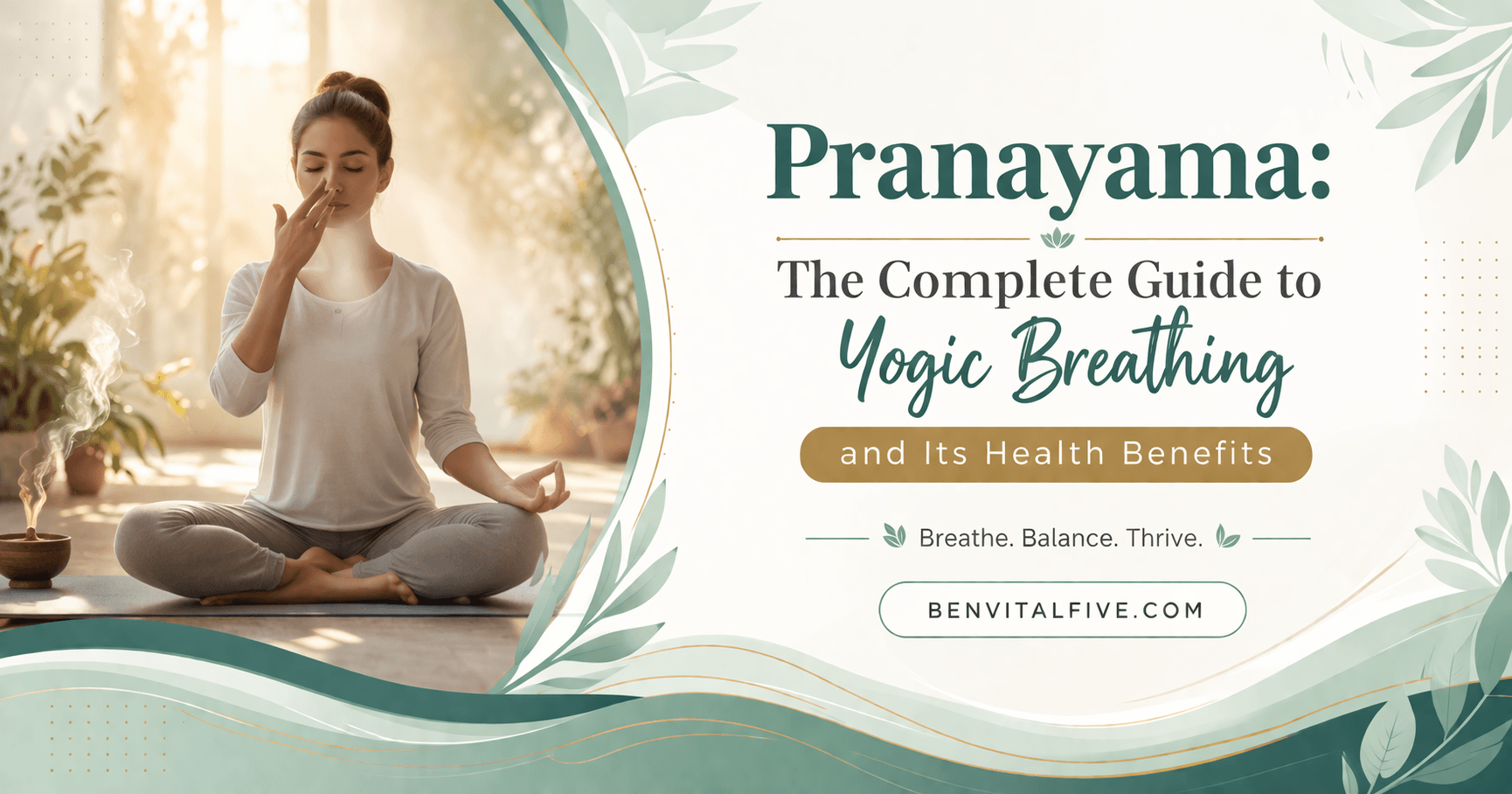
Pranayama, the ancient yogic science of breath control, is one of the most scientifically supported wellness practices available today. The word comes from Sanskrit: prana means life force or vital energy, and yama means control or regulation. Together, pranayama translates as the regulation of life force through breath.
In this guide, I will explain exactly what pranayama is, how it works in the body, and walk you through the most effective techniques — with practical instructions you can use starting today.
The Science Behind Pranayama
Breathing is the only autonomic function we can consciously control. This makes it a direct bridge between the conscious mind and the involuntary nervous system. When you deliberately change your breathing pattern, you directly influence your heart rate, blood pressure, brain wave activity, and stress hormone levels.
Research from leading institutions confirms pranayama’s effectiveness:
- A study in the Journal of Clinical Psychology found that slow, controlled breathing significantly reduces anxiety and depression symptoms
- Research from Harvard Medical School shows that breath-focused meditation reduces cortisol and activates the parasympathetic nervous system
- A 2019 study in Frontiers in Human Neuroscience found that controlled breathing improves attention, emotional regulation, and cognitive performance
The 7 Most Effective Pranayama Techniques
Nadi Shodhana (Alternate Nostril Breathing)
This is the most commonly recommended pranayama for beginners. It balances the left and right hemispheres of the brain, calms the nervous system, and improves focus.
How to practice: Sit comfortably. Close your right nostril with your right thumb. Inhale slowly through the left nostril. Then close the left nostril with your ring finger and exhale through the right. Inhale through the right, then switch. This completes one cycle. Begin with 5 cycles and build to 10.
Best for: Stress, anxiety, mental clarity, sleep problems
Bhramari (Humming Bee Breath)
Bhramari involves making a gentle humming sound while exhaling. The vibration created stimulates the vagus nerve, which activates the body’s rest-and-digest response.
How to practice: Close your ears with your thumbs and rest fingers gently over your eyes. Inhale deeply. As you exhale, make a continuous humming sound like a bee. Repeat 5 to 7 times.
Best for: Anxiety, migraines, high blood pressure, insomnia
Kapalabhati (Skull Shining Breath)
Kapalabhati involves rapid, forceful exhalations followed by passive inhalations. It energizes the body, clears mucus from the respiratory tract, and stimulates the digestive system.
How to practice: Sit tall. Exhale sharply through the nose, pulling the navel toward the spine. Allow the inhalation to happen naturally. Begin with 30 pumps per minute and gradually increase.
Caution: Avoid during pregnancy, menstruation, or if you have high blood pressure.
Best for: Low energy, sluggish digestion, respiratory congestion
Ujjayi (Ocean Breath)
Ujjayi, sometimes called the victorious breath, involves a gentle constriction of the throat that creates a soft ocean-like sound. It is widely used during yoga asana practice to maintain focus and regulate the nervous system.
How to practice: Breathe through the nose. Slightly constrict the back of the throat as if fogging a mirror. You should hear a gentle oceanic sound. Maintain this during your yoga practice.
Best for: Yoga practice, maintaining focus, warming the body
Sitali (Cooling Breath)
Sitali is ideal for reducing heat in the body, lowering blood pressure, and calming anger or irritability. It is particularly useful in the Indian climate.
How to practice: Roll your tongue into a tube (or keep lips slightly parted if you cannot roll the tongue). Inhale through the rolled tongue. Close the mouth and exhale through the nose. Repeat 5 to 10 times.
Best for: Excess body heat, high blood pressure, anger, fever
Bhastrika (Bellows Breath)
Bhastrika is a powerful energizing technique that involves rapid, deep inhalations and exhalations. It oxygenates the blood rapidly and generates significant body heat.
How to practice: Breathe in deeply and forcefully. Breathe out equally forcefully. Both the inhalation and exhalation are active. Begin with 10 rounds and rest between sets.
Caution: Not suitable for beginners. Avoid if pregnant or if you have cardiovascular disease.
Box Breathing (Sama Vritti)
Box breathing creates a perfectly balanced breathing cycle with equal counts of inhale, hold, exhale, and hold. It is used by athletes, military personnel, and meditation practitioners worldwide.
How to practice: Inhale for 4 counts. Hold for 4 counts. Exhale for 4 counts. Hold for 4 counts. This is one round. Begin with 4 rounds and gradually extend to 10.
Best for: Stress management, focus, emotional regulation
How to Build a Daily Pranayama Practice
You do not need a long session to experience the benefits of pranayama. Even 10 minutes each morning can create a profound shift in your energy and mental state. Here is a simple beginner routine:
- Nadi Shodhana — 5 minutes to balance the nervous system
- Bhramari — 2 minutes for deep calm
- Box Breathing — 3 minutes for clarity and focus
Practice in a clean, quiet space. Sit upright — on a chair is perfectly acceptable. Always breathe through the nose unless instructed otherwise. Never force the breath.
The Connection Between Pranayama and the 5 Pillars of Wellness
At BenVitalFive, we see pranayama as the thread that connects all five pillars of holistic wellness. It directly supports physical health through oxygen delivery, mental wellness through nervous system regulation, and inner awareness through focused attention. A person who breathes well lives well.
Key Takeaways
- Pranayama is the yogic science of breath control with thousands of years of tradition and modern scientific validation
- Even 10 minutes of daily practice reduces stress, improves focus, and supports respiratory health
- Beginners should start with Nadi Shodhana and Box Breathing before advancing
- Pranayama is free, accessible to everyone, and requires no equipment

