
Introduction
Most people treat weight loss and high energy like two magnets pushing each other away. They believe that to lose weight, they must suffer through “brain fog,” mid-afternoon crashes, and a constant sense of deprivation. But here is the metabolic truth: If your diet is draining your battery, it isn’t working.
From what I’ve learned about nutrition and long-term habits, success comes from smarter food choices, not eating less. Your body isn’t a calculator; it’s a chemical laboratory. Every bite is a signal that tells your hormones whether to store fat or burn fuel.
This guide moves past the “eat less, move more” cliché. We are diving into the science of blood sugar stability, muscle preservation, and nutrient density. If you’re ready to end caffeine-fueled mornings and sugar-crash evenings, this is your blueprint. It helps you build a body that feels as good as it looks.
How Nutrition Connects Weight Management and Energy
Food is more than calories. It is information for your body.
Every meal you eat influences:
- Blood sugar stability
- Hormone balance
- Muscle preservation
- Fat storage
- Brain performance
When meals are balanced and timed well, your body burns fat better and keeps steady energy. It avoids energy spikes and crashes.
Key insight: Most fatigue is not caused by too few calories. It is caused by poor nutrient distribution and unstable blood sugar.
Metabolism Explained (Without the Confusion)
What Is Metabolism?
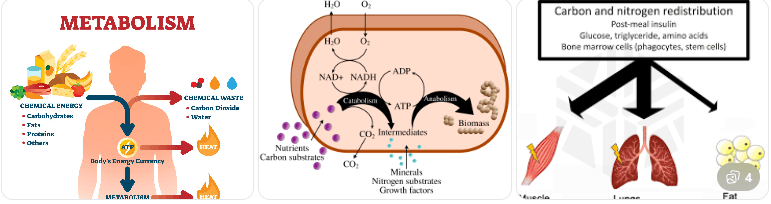
Metabolism refers to all chemical processes that convert food into usable energy. It includes:
- Catabolism(breaking down nutrients for energy)
- Anabolism(building and repairing tissues)
A well-supported metabolism leads to:
- Efficient calorie use
- Stable body weight
- Consistent energy
- Better digestion
- Hormonal balance
A slowed metabolism, on the other hand, often results in fat gain, low energy, cravings, and muscle loss.
How Nutrition Supports a Healthy Metabolism
Research consistently shows that metabolism thrives when the body feels fed, not threatened.
Nutrition supports metabolic efficiency through:
- Regular meals→ prevent energy crashes
- Adequate protein→ increases calorie burn via the thermic effect (20–30%)
- Fiber-rich foods→ improve digestion and insulin sensitivity
- Micronutrients→ support enzyme and thyroid function
- Hydration→ enables metabolic reactions
According to the National Institutes of Health Nutrition is essential for energy and the functioning of the human body. Nutritional deficiency involves critically low levels of bodily functions and increases disease risk, including cancer, diabetes, and heart disease. Malnutrition may stem from environmental or health-related factors.
Nutritional biomarkers can assess nutrient intake, and deficiencies in macronutrients like protein can lead to severe conditions.
While micronutrient deficiencies can cause developmental and cognitive issues, along with higher morbidity and mortality. Addressing these deficiencies through supplementation and dietary improvements is vital for overall health.
Smart Carbohydrates for Sustainable Energy
Carbohydrates are often blamed for weight gain, but this is a misunderstanding.
What Are Smart Carbohydrates?
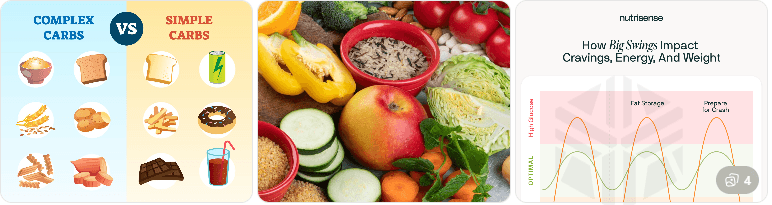
Smart carbohydrates are fiber-rich, minimally processed carbs that digest slowly and help maintain stable blood sugar.
Examples:
- Oats
- Brown rice
- Millets
- Quinoa
- Whole wheat
- Sweet potatoes
- Fruits
- Vegetables
These carbs:
- Provide long-lasting energy
- Reduce sugar cravings
- Support gut health
- Improve workout performance
- Prevent overeating later in the day
In practice, people who remove carbs entirely often experience fatigue, poor workouts, and rebound weight gain.
Pro-Tip: To prevent the dreaded “afternoon slump,” try eating your vegetables before your carbohydrates during lunch. High-fiber starters create a “mesh” in your gut. It slows the absorption of glucose, leading to a flatter blood sugar curve and 2–3 hours of extra focus.
Protein: The Cornerstone of Fat Loss and Energy
Protein is one of the most powerful tools for weight management.
It supports:
- Muscle preservation
- Appetite control
- Stable blood sugar
- Higher metabolic rate
- Faster recovery
Because muscle tissue burns more calories at rest than fat tissue, adequate protein intake indirectly boosts metabolism.
High-Quality Protein Sources
- Eggs
- Lean poultry
- Fish
- Greek yogurt
- Paneer
- Lentils
- Chickpeas
- Tofu
- Nuts and seeds
A practical guideline many experts use is 1.6–2.2 g of protein per kg of body weight for active adults.
Healthy Fats: The Missing Energy Nutrient
Eliminating fats is one of the most common mistakes I see in weight-loss diets.
Healthy fats are essential for:
- Hormone production
- Brain function
- Inflammation control
- Absorption of vitamins A, D, E, and K
Best sources include:
- Avocados
- Olive oil
- Almonds
- Walnuts
- Flaxseeds
- Chia seeds
- Fatty fish
Balanced fat intake often improves energy and reduces cravings, rather than increasing body fat.
Why Crash Diets Damage Metabolism and Energy
Crash diets promise fast results — and almost always fail long term.
They typically involve:
- Severe calorie restriction
- Elimination of food groups
- Liquid-only plans
What Actually Happens
- Metabolic rate slows
- Muscle mass is lost
- Hormonal imbalance increases
- Fatigue worsens
- Weight regain becomes likely
The World Health Organisation consistently show that rapid weight loss increases the likelihood of long-term weight regain. Sustainable fat loss requires nourishment, not starvation.
The Energy-First Schedule: A Metabolic Blueprint
Timing is the difference between food being stored as fat or used as fuel. By aligning your meals with your natural circadian rhythm, you stabilise insulin and keep your brain sharp.
| Time of Day | Phase | Nutritional Focus | Why It Works |
| 07:00 – 08:30 | The Awakening | High Protein + Fiber (e.g., Eggs & Spinach) | Stabilizes blood sugar early to prevent “snack-searching” by 10:00 AM. |
| 12:30 – 13:30 | The Power Peak | Complex Carbs + Lean Pro (e.g., Quinoa & Salmon) | Provides the glucose needed for afternoon cognitive tasks without the “slump.” |
| 15:30 – 16:30 | The Bridge | Healthy Fats + Hydration (e.g., Almonds & Green Tea) | Prevents the cortisol spike that leads to evening overeating. |
| 18:30 – 20:00 | The Restoration | Light Pro + Micronutrients (e.g., White Fish & Roasted Veg) | Easy to digest, ensuring your body focuses on repairing muscle rather than heavy digestion during sleep. |
Consistent timing:
- Maintains blood sugar
- Prevents binge eating
- Supports digestion
- Stabilizes energy output
Skipping meals often leads to overeating later and energy crashes.
Foods That Naturally Boost Energy
Some foods consistently improve physical and mental stamina:
- Bananas → fast natural fuel
- Oats → slow-release carbohydrates
- Nuts → protein + healthy fats
- Spinach → iron and oxygen transport
- Eggs → protein and B vitamins
- Dark chocolate (in moderation) → mood and focus support
These foods reinforce the link between nutrition, energy, and healthy weight control.
Hydration: The Silent Weight-Loss Multiplier
Even mild dehydration can reduce energy, slow metabolism, and increase hunger signals.
Benefits of proper hydration:
- Improves fat metabolism
- Prevents overeating
- Enhances workout performance
- Supports focus and digestion
Aim for 2–3 litres daily, adjusted for climate and activity.
Pro-Tip: Your brain often uses the same signal for “thirst” and “hunger.” Before reaching for a snack between meals, drink 500ml of water and wait 15 minutes. Often, your “hunger” is actually mild dehydration slowing down your metabolic reactions.
Lifestyle Habits That Multiply Nutrition Results
Nutrition works best when paired with supportive habits:
- 30 minutes of daily movement
- Strength training + cardio
- 7–8 hours of sleep
- Stress management
- Minimal processed foods
- Reduced sugar and soft drinks
Consistency — not perfection — drives results.
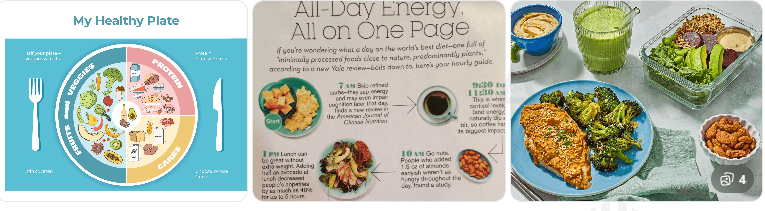
Sample Day: Balanced Nutrition for Weight & Energy
| Meal | Focus | Example |
| Breakfast | Fiber + Protein | Steel-cut oats with hemp seeds and blueberries. |
| Lunch | Volume + Lean Pro | Grilled chicken/Tofu salad with a massive variety of greens. |
| Snack | Healthy Fats | A handful of walnuts or half an avocado on rice cakes. |
| Dinner | Easy Digestion | Lentil soup with sautéed spinach and a small sweet potato. |
Long-Term Benefits of Eating This Way
- Sustainable weight management
- Higher daily energy
- Better mood stability
- Improved metabolic health
- Reduced lifestyle disease risk
- Stronger immunity
This is not a temporary diet — it is a long-term system.
Internal Resource for Deeper Learning
If you want to build a complete, well-rounded approach, explore our pillar guide on Nutrition for Health and Wellness. We cover hydration strategies, micronutrients, lifestyle optimisation, and long-term health planning in detail.
Final Thoughts: Your Metabolism is a Partner, Not an Enemy
Achieving a healthy weight and vibrant energy isn’t about winning a war against your cravings—it’s about negotiating a peace treaty with your biology. When you stop starving your body and start fueling your cells with smart carbs, high-quality protein, and essential fats, your metabolism stops hoarding calories and starts spending them.
Remember: Consistency outperforms intensity every single time. You don’t need a “perfect” plate; you need a sustainable pattern. Start small, listen to your energy cues, and choose nourishment your body can trust.
Your 7-Day “Energy-First” Checklist
Ready to feel the difference? Tick these off over the next week to jumpstart your results:
[ ] The 30g Rule: Hit 30g of protein at breakfast tomorrow morning.
[ ] The Water Window: Drink 500ml of water before your first coffee.
[ ] The Fiber First Step: Start every lunch and dinner with a handful of greens or a high-fiber veggie.
[ ] The Sunset Ceiling: Aim to finish your last meal at least 2–3 hours before sleep.
[ ] Audit Your Energy: Rate your energy on a scale of 1–10 at 3:00 PM. If it’s below a 6, revisit your lunch’s protein-to-carb ratio.
FAQ Section
What is the best diet for weight management and energy?
A balanced diet with smart carbohydrates, adequate protein, healthy fats, and consistent meal timing supports both fat loss and sustained energy.
How much protein should I eat daily?
Most active adults benefit from 1.6–2.2 g of protein per kg of body weight, depending on activity level and goals.
Do carbohydrates cause weight gain?
No. Refined carbs in excess may contribute to fat gain, but fiber-rich carbohydrates support energy, metabolism, and appetite control.
Can dehydration affect weight and energy?
Yes. Even mild dehydration can slow metabolism, increase hunger, and reduce physical and mental performance.
Are crash diets effective for long-term weight loss?
No. Crash diets often slow metabolism, cause muscle loss, and increase the likelihood of weight regain.

