
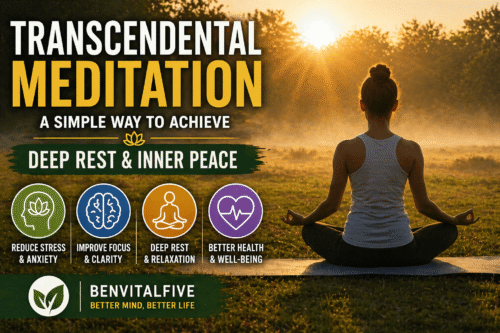
Transcendental Meditation: A Simple Way to Achieve Deep Rest and Inner Peace
Introduction
Modern life keeps the mind constantly active. Stress, distractions, work pressure, and emotional exhaustion can leave you mentally drained and unable to focus. Over time, this can affect both mental and physical health.
Meditation offers many ways to calm the mind, but Transcendental Meditation stands out because of its simplicity. It does not require concentration, controlling thoughts, or forcing the mind to be quiet. Instead, it is a natural technique that allows the mind to settle into a state of deep rest while remaining fully awake.
For many people, transcendental meditation has become an effective way to reduce stress, improve focus, and experience inner peace.
What Is Transcendental Meditation?
Transcendental Meditation, often called TM. It is a simple mantra-based meditation technique practiced silently for 15–20 minutes twice a day.
During the practice, a person sits comfortably with their eyes closed and silently repeats a mantra. This gentle repetition allows the mind to settle naturally into a quieter level of awareness.
Unlike some meditation methods that involve concentration or observation of thoughts, TM is designed to be effortless. There is no need to force the mind or stop thoughts from appearing.
Quick Definition
Transcendental Meditation is an effortless meditation technique. The silent mantra is used to help the mind experience deep relaxation and inner calm.
This simple definition can help improve your chances of ranking for Google featured snippets.
How Does Transcendental Meditation Work?
The human mind is constantly active, processing thoughts, emotions, and external information. Over time, this mental activity can create stress and fatigue within the nervous system.
TM works by allowing the mind to move beyond surface-level thinking into a deeply restful state. While the mind settles inward, the body experiences profound relaxation.
Many practitioners describe the experience as calm, peaceful, and refreshing.
Researchers have also studied how meditation affects stress and relaxation. Some studies suggest that regular meditation may help reduce stress hormones and support emotional wellbeing.
The Benefits of Transcendental Meditation

Regular practice of Transcendental Meditation may offer several mental, emotional, and physical benefits.
1. Reduces Stress and Anxiety
One of the biggest reasons people practice TM is stress relief. Meditation helps calm the nervous system and may reduce feelings of anxiety and mental overwhelm.
Many people notice they respond more calmly to difficult situations after practicing consistently. TM can be even more effective when used with other practices like scientifically proven breathing techniques for calming the nervous system.
2. Enhances Focus and Mental Clarity
It can be difficult to concentrate when your mind wanders. TM can also help with mental clarity and focus by allowing the brain to deeply rest.
Students, professionals and creative people often use meditation to help productivity and creativity.
3. Helps you sleep better
Stress and overthinking often lead to bad sleep. TM encourages relaxation, so many practitioners experience better sleep quality and recovery.
4. Supports Emotional Stability
Meditation can help to foster greater emotional awareness and stability. Rather than reacting impulsively to stress, people may begin to respond with more calm and clarity.
5. Could Improve Physical Health
Studies have shown that meditation could reduce blood pressure and physical tension in the body. Meditation is not a medical treatment but when combined with a healthy lifestyle it can help overall wellness.
How To Meditate Transcendentally
One reason TM is popular is that it is easy and beginner friendly.
Simple Steps
- Sit in a comfortable, quiet place.
- Relax your body. Close your eyes.
- Repeat your mantra naturally. Silently.
- If thoughts come, return gently to the mantra without annoyance.
- Keep going 15-20 minutes.
No need to hold the mind, No need to force concentration. During meditation, it’s perfectly normal for thoughts to come and go.
The goal is not to “empty” the mind, but to allow it to settle naturally.
Myths about Transcendental Meditation
You must cease all thought.
It is one of the most common misconceptions about meditation. During TM, thoughts are natural. The practice is about coming back to the mantra gently, without judgment.”
“The key to Meditation is Concentration”.
TM is designed to be easy. You don’t have to force attention, as in concentration practices.
“Hours of practice…
Practiced consistently, even 15–20 minutes twice daily can make a difference.
Make It a Daily Habit
Making practice of Transcendental meditation a regular practice. Having it at the same time every day helps to practice consistently and easier by making it a normal habit of life.
You can have a session in the morning to prepare your mood for the day and practice again at night to get rid of stress from throughout the day.
Designing a peaceful, comfortable environment for your practice can further enhance your experience and create an anticipation for the meditation.
Transcendental Meditation vs Mindfulness Meditation
Many people confuse TM with mindfulness meditation, but the two approaches are different.
| Transcendental Meditation | Mindfulness Meditation |
|---|---|
| Uses a mantra | Uses awareness and observation |
| Effortless technique | Requires active attention |
| Focuses on transcending thought | Focuses on present-moment awareness |
| Deep mental rest | Mindful observation of thoughts |
Both practices can be beneficial, and the best method depends on personal preference.
Tips to Make Meditation a Daily Habit
Creating a regular meditation routine can help you experience long-term benefits.
Practice at the Same Time Daily
Meditating in the morning and evening helps build consistency.
Create a Peaceful Environment
Choose a quiet and comfortable space where you can relax without distractions.
Be Patient With Yourself
Meditation is a gradual process. Some days may feel calm, while others may feel busy mentally. Consistency matters more than perfection.
Scientific Interest in Transcendental Meditation
Meditation has received growing attention from researchers studying stress management and mental wellbeing.
Several studies have explored the potential benefits of TM for:
- stress reduction
- blood pressure management
- emotional wellbeing
- cognitive performance
- relaxation response
Including evidence-based information improves trust and helps strengthen SEO authority signals.
Frequently Asked Questions
Is Transcendental Meditation good for beginners?
Yes. TM is often considered beginner-friendly because it does not require intense focus or complicated techniques.
How long should you practice Transcendental Meditation?
Most practitioners meditate for 15–20 minutes twice daily.
Can meditation help reduce anxiety?
Many people use meditation techniques to support stress reduction and emotional calmness.
Do you need to stop thinking during meditation?
No. Thoughts naturally appear during meditation. The practice involves gently returning attention to the mantra.
Final Thoughts
Transcendental Meditation is a simple and natural practice that helps the mind experience deep rest and inner calm. Unlike techniques that require concentration or mental control, TM works effortlessly by allowing the mind to settle naturally.
With regular practice, many people experience reduced stress, improved focus, better emotional balance, and a greater sense of well-being.
Meditation is not about becoming a different person. It is about giving your mind and body the opportunity to rest, recover, and function more peacefully in everyday life.

