

Introduction
Reading vs scrolling is one of the most powerful daily habits affecting how your brain works. In a world full of notifications, short videos, and endless feeds, many people feel their attention span shrinking. Even when we want to focus, we often find ourselves reaching for the phone.
I experienced this personally. I used to read consistently, but slowly, scrolling became my default. Reading started to feel like an effort, and scrolling started to feel like relief. But the more I scrolled, the more mentally scattered I felt.
This post breaks down what research suggests about how reading and scrolling affect attention, emotions, and long-term mental health. —How to build a healthier balance without quitting technology completely.
Why the “Reading vs Scrolling” Habit Is So Powerful
Dr. Andrew E. Budson discusses neuroplasticity, defining it as the brain’s capacity to learn, remember, and adapt as needed. This flexibility enables the brain to reorganize in response to various learning experiences and environmental factors.
If you practice fast switching, your brain becomes better at switching.
If you practice deep focus, your brain becomes better at deep focus.
Harvard Medical School explains brain plasticity and how experiences shape the brain.
This is why your daily habits matter more than motivation. You don’t need to be “disciplined” forever—you need a system that trains your brain in the right direction.
Scrolling should be fast and fresh. Every time you swipe, you see fresh pictures, thoughts, and sensations. When things are continually changing, the brain learns to hunt for quick rewards and short bursts of excitement. Dopamine spikes occurs for a brief time and make you want to scroll more, but they don’t last long.
Short Attention and Mental Fatigue
Over time, this pattern makes it tougher to pay attention. The brain grows used to obtaining information quickly, which makes it hard to stay concentrated on one item for a long time. This can make you fatigued, restless, and always want to do something. Scrolling doesn’t allow your mind rest; it keeps it alert and ready to respond.
Emotional Overload From Scrolling
Scrolling also helps you compare items and feel too many feelings. Hearing terrible news, witnessing curated lives, and hearing diverse points of view can all make your head noisy, which can make your stress and anxiety levels go up over time.
How Reading Changes How the Brain Works
Reading is the opposite. It slows down your mind and helps you concentrate. Your mind keeps going with a steady stream of thoughts, sensations, and words when you read. This calms the mind and allows thoughts settle.
Focus, Memory, and Thinking
Reading helps you concentrate by training your brain to stay with one idea for a long time. It helps you remember things, understand them, and think critically. When you read instead of scroll, you have time to think and understand instead of merely responding.
Emotional Control Through Reading
This method helps you control your feelings. Stories and ideas can help people deal with their feelings, see things from a different angle, and care about other people. Reading isn’t fun anymore; it’s just a technique to calm your mind.
The Book’s Power
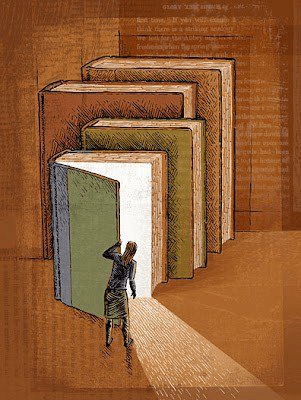
This topic is explained in more detail in reading: How Reading Shapes the Mind, Focus, and Life talks about how reading can be a long-term mental habit instead than merely a method to escape for a short period.
Attention: Shallow vs. Deep
It’s hard to pay attention when you scroll. The brain goes swiftly from one thing to the next, so it doesn’t have time to properly absorb what it means. This makes it hard to focus on work, communicate to others, or learn new topics.
How Reading Improves Focus
Reading helps you concentrate. It keeps the brain concentrated, lets it follow intricate concepts, and blocks out anything that might get in the way. As time goes on, readers usually find it easier to stay focused, think clearly, and do their responsibilities without feeling exhausted.
You can see the change in your daily life. People who read a lot usually have clear minds, but people who browse a lot usually have minds that are all over the place.
How Feelings Change the Thinking
People often feel things while they scroll, but it doesn’t help. Content that makes people angry, terrified, or compare keeps feelings continuing but doesn’t fix them. This puts the nervous system on high alert all the time.
Emotional Balance Through Reading
Reading helps feelings come out on their own. Whether they are reading fiction or non-fiction, readers engage with their feelings in a controlled and meaningful way. This helps you keep your feelings in check instead of letting them go out of hand.
Reading helps you understand and control your feelings better, which makes you more emotionally intelligent. This helps your mind deal with stress better.
Effects on Mental Health in the Long Term
Over time, reading instead than scrolling changes how the brain works. Regular readers often claim that they are less stressed, sleep better, and their moods are more consistent. Instead of speed, their brains get used to depth.
But if you browse a lot, you could get mentally exhausted and less tolerant. The brain gets used to being stimulated all the time, so being quiet or silent is hard.
The things we do every day change how our brains work. Small choices, like reading for 10 minutes instead of scrolling, can have a tremendous impact over time.
How to Keep Your Balance in a Digital World
The goal is not to cease scrolling completely, but to be more careful. Instead of just scrolling, try reading for a time. It can help you get your thoughts back in order.
Reading before bed, during breaks, or when things are calm could assist your brain wake up. Reading is a soothing habit that helps you stay focused and clear-headed over time. It lets you get more involved in a way that scrolling can’t.
Last Thoughts
Both reading and scrolling have an effect on the mind, but they do it in quite different ways. Scrolling makes the brain fast, responsive, and always interested. Reading helps the brain learn how to be calm, think clearly, and control its feelings.
Reading gives you something that most people don’t have: mental depth. Reading isn’t just a habit; it’s also a way to protect and improve your mind. Taking it one page at a time makes life less stressful, clearer, and more focused.

