
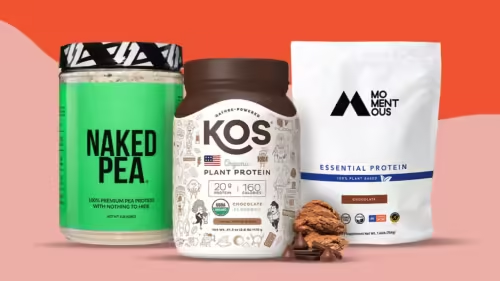
Best Plant-Based Protein Powders for Every Need (2026 Buyer’s Guide)
Medical Disclaimer
The information provided on this website is for educational purposes only. This is not intended to replace professional medical advice.
Always:
Consult a qualified healthcare provider before starting any diet, exercise, or supplement program
Seek immediate medical attention for health concerns or symptoms
Never delay or disregard medical advice based on information found online.
Introduction
Plant-based protein powders are popular supplements. People use them for cleaner nutrition. They can also help with digestion. They support more sustainable food choices.
Whether you’re vegan, lactose intolerant, or simply looking for a high-quality alternative to whey, plant-based protein powders offer a versatile and nutrient-dense solution.
This 2026 Buyer’s Guide breaks down:
Evidence-based health benefits
Common protein sources
How to choose the best plant-based protein powder for your goals
Practical buying and usage tips
So you can invest confidently in the best plant-based protein powder for your needs.
Evidence-Based Health Benefits of Plant-Based Protein Powder
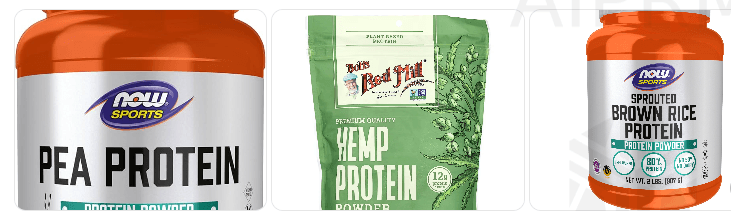
Plant-based protein powder isn’t just a trend—it’s a practical option backed by a growing body of research.
Let’s examine what the science says across key health areas.
1. Digestive Health & Allergen Benefits
Many people switch to plant-based protein powder for improved digestion.
Compared to whey and dairy-based proteins, plant proteins:
Contains no lactose
Are often gluten-free
Tend to cause fewer digestive complaints
Naturally provides fiber
This makes plant-based protein powders particularly well tolerated by individuals with dairy sensitivity or mild digestive issues.
2. Cardiovascular Health
Research consistently links plant protein intake to improved cardiovascular risk markers.
A 2017 systematic review of 112 clinical trials found that replacing animal protein with plant protein reduced blood lipids, including LDL cholesterol. Subsequent meta-analyses support these findings, particularly in people with elevated cholesterol.
Important context:
Most studies focused on soy protein, so results may not fully apply to all plant protein sources.
Practical takeaway:
Replacing some animal protein with plant protein may support heart health—but overall dietary quality remains the most important factor.
3. Plant Protein and Diabetes Risk
Plant-forward and vegetarian diets are often associated with lower type 2 diabetes risk.
Key findings include:
Replacing just 5% of energy intake from animal protein with plant protein was linked to a 23% lower diabetes risk
Pea and soy protein may improve short-term glycemic response
Meta-analyses show modest improvements in blood sugar markers
However, newer trials show similar outcomes between high animal-protein and high plant-protein diets in people with type 2 diabetes.
Bottom line:
Plant protein may support metabolic health, but long-term dietary patterns matter more than protein source alone.
4. Plant Protein and Cancer Risk
The relationship between protein source and cancer risk is complex.
Research suggests:
High red meat intake may increase colorectal cancer risk in genetically susceptible individuals
Substituting plant protein may reduce risk in specific populations
However:
Evidence is inconsistent
Total protein intake alone does not strongly predict cancer risk
Lifestyle factors (fiber intake, physical activity, smoking) play a larger role
Plant protein may offer protective benefits in certain contexts, but evidence does not support declaring it universally superior for cancer prevention.
5. Plant Proteins as Functional Foods
Some plant proteins contain bioactive compounds with potential health benefits.
Soy protein is the most studied and may improve cardiovascular markers
Pea, lentil, and lupin proteins show promise for satiety and mild glycemic improvements
That said, research suggests that whole plant foods generally provide greater benefits than isolated protein powders alone.
6. Plant Protein Intake and Longevity
Large observational studies provide some of the strongest support for plant protein.
The NIH-AARP Diet and Health Study (617,000+ participants) found:
Higher plant protein intake was associated with lower all-cause mortality
Replacing just 3% of animal protein with plant protein reduced mortality risk by 10%
Cardiovascular mortality was significantly lower with higher plant protein intake
These findings suggest that increasing plant protein consumption may support long-term health and longevity
7. Kidney Health and Renal Protection
The typical Western diet—high in animal protein and saturated fat—has been linked to chronic kidney disease (CKD).
Research indicates:
Higher plant protein intake is associated with slower kidney function decline
Soy and rice protein may improve glucose regulation and nitric oxide production
Plant proteins generate a lower renal acid load than animal proteins
Implication:
Plant protein may be a protective dietary strategy for kidney health, particularly in at-risk populations.
8. Muscle Growth & Strength: Plant Protein vs Whey
For athletes and active individuals, muscle protein synthesis (MPS) is critical.
Research shows:
Whey protein stimulates MPS efficiently due to high leucine content
Soy protein can produce comparable strength and muscle gains when consumed in adequate amounts
Pea and rice protein support muscle growth when dosed appropriately
Larger servings of plant protein may be needed to match whey’s leucine threshold
Plant-based protein powders can effectively support muscle growth—especially when blended for a complete amino acid profile.
Should You Choose Plant-Based Protein Powder?
The evidence suggests that plant-based protein powder can:
Support cardiovascular health
Help manage metabolic risk factors
Protect kidney function
Potentially reduce mortality risk
Support muscle growth when properly dosed
Plant protein isn’t automatically superior—but replacing some animal protein with plant sources appears beneficial for long-term health.
Nutritional Advantages of Plant-Based Protein Powders
Compared to whey, plant-based protein powders often offer a more holistic nutrient profile:
Fiber: supports gut health and satiety
Antioxidants: help combat exercise-induced oxidative stress
Micronutrients: iron, magnesium, potassium
Healthy fats: from flax, chia, or hemp
Plant proteins are generally alkaline-forming, which may help reduce inflammation compared to dairy-based proteins.
Top 5 Best Plant-Based Protein Powders (2026)
Best Overall: Pea + Rice Protein Blend
Why it wins:
A blend of pea and brown rice protein delivers a complete amino acid profile comparable to whey, without dairy or common allergens.
Best for:
Muscle building
Daily protein intake
Most diets and fitness levels
Best for Muscle Growth: Soy Protein Isolate
Why it ranks high:
Soy protein is a complete protein with all nine essential amino acids and strong evidence supporting muscle and strength gains.
Best for:
Post-workout recovery
High-protein diets
Not ideal for soy-sensitive individuals.
Best for Weight Management: Hemp Protein
Why it works:
Hemp protein retains natural fiber and healthy fats, helping you stay full longer.
Best for:
Appetite control
Heart and gut health
Best for Sensitive Digestion: Sprouted or Fermented Protein
Why it’s gentler:
Sprouting and fermentation reduce anti-nutrients like phytic acid, improving digestion and absorption.
Best for:
Bloating-prone users
Sensitive stomachs
Best Budget Option: Brown Rice Protein
Why it’s popular:
Affordable, hypoallergenic, and easy to digest.
Best for:
Beginners
Cost-conscious buyers
Common Plant-Based Protein Sources Comparison Table
| Product Type | Protein / Serving | Key Benefit | Best For | Global ratings & review |
|---|---|---|---|---|
Best Overall: Pea + Rice Protein Blend  | 20–25g | A blend of pea and brown rice protein delivers a complete amino acid profile comparable to whey, without dairy or common allergens. |
| Anamika Varshney |
Best for Muscle Growth: Soy Protein Isolate | 20–25g | Soy protein is a complete protein with all nine essential amino acids and strong evidence supporting muscle and strength gains. |
Not ideal for soy-sensitive individuals. | Jyoti |
Hemp Pr0tein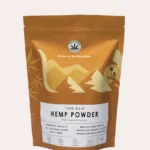 o o | 12–15g | Hemp protein retains natural fiber and healthy fats, helping you stay full longer. Fiber & omega fats |
| Devanti Birla |
| Sprouted/Fermented | 18–22g | Sprouting and fermentation reduce anti-nutrients like phytic acid, improving digestion and absorption. |
| ABRAR |
| Brown Rice Protein | 15–20g | Hypoallergenic | Budget Buyers |
Best Plant-Based Protein Powders by Goal
For Muscle Building: Pea + Rice Blends
Together, pea (high lysine) and rice (high methionine) form a complete amino acid profile comparable to whey.
For Weight Management: High-Fiber Hemp
Retains natural fiber, slowing digestion and improving satiety.
For Sensitive Digestion: Fermented or Sprouted Proteins
These reduce anti-nutrients like phytic acid, improving absorption and tolerance.
How to Choose: A 3-Point Checklist
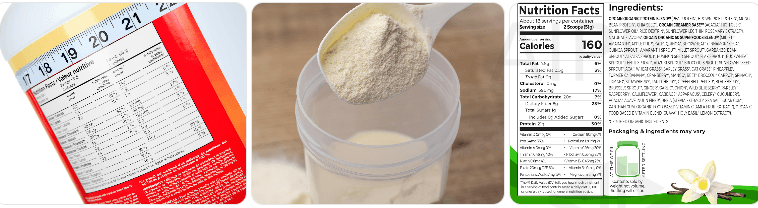
Amino Acid Profile: Ensure all essential amino acids are listed
Avoid Fillers: Skip gums if digestion is sensitive; prefer flax or chia
Third-Party Testing: Look for NSF Certified for Sport or Informed-Choice
Potential Drawbacks & How to Fix Them
Gritty texture: Use a blender or creamy base (oat milk, nut butter)
Earthy taste: Choose powders sweetened with monk fruit or stevia
Helpful guide: How to Read Supplement Labels
Sustainability, Packaging & Ethics
Top plant-based protein brands prioritize:
Sustainably sourced ingredients
Recyclable or compostable packaging
Ethical labor practices
Hemp and pea protein remain among the most eco-friendly protein sources available.
Price, Value & Buying Tips
Higher-quality plant-based protein powders may cost more upfront but often provide:
Better digestibility
Cleaner formulations
Higher nutrient density
Best value tip: Choose formulas with probiotics, vitamins, or superfoods—not cheap fillers.
Final Verdict: Is Plant-Based Protein Powder Worth It?
Yes.
The right plant-based protein powder can improve nutrition, support fitness goals, and align with sustainable living—without sacrificing quality or effectiveness.
By choosing clean ingredients, verified certifications, and a protein source matched to your goals, you’ll get maximum value from every scoop.
Ready to Buy?
Compare top-rated plant-based protein powders
Check today’s best prices & deals
Find the best option for your diet and budget
FAQ
What is the best plant-based protein powder in 2026?
The best plant-based protein powder in 2026 is typically a pea and brown rice protein blend. This combination provides a complete amino acid profile similar to whey, is easy to digest, and works well for muscle growth, weight management, and daily nutrition.
Is plant-based protein powder as effective as whey?
Plant-based protein powder can be as effective as whey when consumed in sufficient amounts. While whey contains more leucine per serving, blended plant proteins (such as pea and rice) can support comparable muscle growth and strength when properly dosed.
Which plant-based protein powder is best for muscle building?
For muscle building, pea protein blends or soy protein isolate are the best plant-based options. Pea protein is rich in branched-chain amino acids (BCAAs), while soy protein is a complete protein containing all nine essential amino acids.
What is the best vegan protein powder for weight loss?
The best vegan protein powder for weight loss is usually hemp or pea protein. These options are high in protein and fiber, which helps increase satiety, reduce hunger, and support calorie control when used as part of a balanced diet.
Is plant-based protein powder easier to digest than whey?
Yes, plant-based protein powders are often easier to digest than whey, especially for people with lactose intolerance or dairy sensitivity. Many plant proteins are naturally lactose-free and contain fiber, which may improve gut tolerance and reduce bloating.
Does plant-based protein powder cause bloating?
Plant-based protein powder can cause bloating in some people, particularly if it is high in fiber. Starting with a smaller serving, choosing fermented or sprouted proteins, or using enzyme-fortified formulas can help reduce digestive discomfort.
Which plant-based protein powder is best for sensitive stomachs?
For sensitive digestion, sprouted or fermented plant-based protein powders are best. These products reduce anti-nutrients like phytic acid, making protein easier to absorb and gentler on the stomach compared to standard plant protein powders.
Is soy protein safe to consume regularly?
For most healthy individuals, soy protein is safe to consume regularly. Research shows no adverse effects when consumed in moderation. However, individuals with soy allergies or sensitivities should avoid soy-based protein powders.
What should I look for when buying plant-based protein powder on Amazon?
When buying plant-based protein powder on Amazon, look for:
At least 15–25g of protein per serving
A complete amino acid profile or blended proteins
Minimal additives or artificial sweeteners
Third-party testing and strong verified reviews
Is plant-based protein powder better for the environment?
Yes, plant-based protein powders generally have a lower environmental impact than animal-based proteins. They require less water and land and produce fewer greenhouse gas emissions, making them a more sustainable and eco-friendly protein choice.
About the Author
Jesuraj is a wellness researcher and health optimization specialist focused on evidence-based nutrition and supplementation. He analyzes clinical trials and third-party lab reports to provide readers with clear, unbiased guidance—bridging modern science with traditional nutritional wisdom.


Your words have the power to make the abstract feel concrete, to bring fleeting thoughts into sharp focus. I’ve read many articles and books in my time, but there’s something about your writing that makes me feel as though I’ve discovered a new way of thinking, a new way of being. You’ve truly unlocked something special in your words.
Good Morning Thanks for ypur comment.
888starz bitcoin https://1stones.ru/wp-content/pgs/888starz-official-site-aviator.html
888 starz telechargement pour iOS https://www.pgyer.com/apk/fr/apk/app.starz.online
chicken road https://www.pgyer.com/apk/apk/app.chickenroad.game
rooster bet https://www.pgyer.com/apk/apk/rooster.bet.app
Reading this evokes the calm satisfaction of careful observation, noticing small, meaningful details and appreciating the rhythm of thought and reflection.
Thanks. For further reading please visit http://www.benvitalfive.com
Usa tu iPhone con 1xslots app ios y mantГ©n tu progreso.
Hello everyone!
Share env mysterious reports with interesting and valuable sustainability updates and build a greener future see on the website for sustainability reports
Full information on the link – https://101flow.site
All the best and development in business!
Thanks for your comments. visit our website at https:\\benvitalfive.com\ and go through the recent post.
Hello!
Decode hiero mysterious glyphs containing interesting and valuable ancient news and crack the code of history see on the website for glyph decoders
Full information on the link – https://202fliks.site
All the best and development in business!
Hello everyone!
Reveal cloud mysterious systems within interesting platforms offering valuable scale and store data in the sky see on the website for cloud architecture diagrams
Full information on the link – https://101flow.site
All the best and development in business!
Hello!
Access archeo mysterious digs full of interesting and valuable artifact knowledge and unearth hidden treasures see on the website for dig site logs
Full information on the link – https://101flow.site
All the best and development in business!
Hello!
Study profound mysterious concepts with interesting and valuable philosophical depth and expand your intellectual horizons see on the website for philosophy forums
Full information on the link – https://101flow.site
All the best and development in business!
Hello!
Discover ocean mysterious depths holding interesting and valuable marine knowledge and explore the abyss without leaving home see on the website for deep sea logs
Full information on the link – https://800letekas.site
All the best and development in business!
Hello everyone!
Decode hiero mysterious glyphs containing interesting and valuable ancient news and crack the code of history see on the website for glyph decoders
Full information on the link – https://800letekas.site
All the best and development in business!
Hello everyone!
Study local mysterious events with interesting and valuable community insights and strengthen your local connections see on the website for community boards
Full information on the link – https://ermake.ru/plastik-kotoryy-menyaet-vsyo-pochemu-izgotovlenie-na-zakaz-eto-vash-klyuch-k-idealnomu-produktu/
All the best and development in business!
Hello everyone!
Find trust mysterious breaks in interesting stories with valuable repair solutions and mend broken bridges see on the website for trust building
Full information on the link – https://lesovikstroy.ru/proektirovanie-press-form-na-zakaz-kak-poluchit-tochnuyu-nadezhnuyu-i-ekonomichnuyu-formu.html
All the best and development in business!
Good afternoon!
Explore specific mysterious fields with interesting and valuable specialized data and become a specialist in your area see on the website for specialization paths
Full information on the link – https://arsenalclining.ru/zashhitnye-kozyrki-iz-polikarbonata-effektivnoe-reshenie-dlya-zashhity-vhodnyh-grupp/
All the best and development in business!
Good afternoon!
Access a vault of interesting mysterious records with extremely valuable data inside and safeguard your intellectual property see on the website for secure storage options
Full information on the link – https://hotelinvest.ru/izgotovlenie-plastikovoj-tary-chto-nuzhno-znat-i-sovety.html
All the best and development in business!
Hello everyone!
Discover chem mysterious reactions offering interesting and valuable molecular insights and mix things safely see on the website for reaction databases
Full information on the link – https://indymedia.ru/cherez-80-rokiv-arheologi-znaishli-ostanki-amerikanskogo-lotchika-zniklogo-bezvisti-y-drygy-svitovy-viiny/
All the best and development in business!
Good morning!
Study exercise mysterious benefits with interesting and valuable fitness knowledge and move your body right see on the website for workout routines
Full information on the link – https://loveis38.ru/%d0%b7%d0%b0%d1%89%d0%b8%d1%82%d0%b0-%d1%81%d1%82%d0%b2%d0%be%d0%bb%d0%be%d0%b2-%d0%b4%d0%b5%d1%80%d0%b5%d0%b2%d1%8c%d0%b5%d0%b2-%d0%b2%d0%b0%d0%b6%d0%bd%d0%be%d1%81%d1%82%d1%8c-%d0%b8-%d1%81%d0%bf/
All the best and development in business!
Hello everyone!
Analyze bond mysterious strengths to find interesting and valuable connection depth and tie knots that hold see on the website for relationship tools
Full information on the link – http://bigtimecraft.ru/dacha/masterstvo-v-sozdanii-i-primenenii-plastikovyx-vtulok-texnologiya-i-innovacii/
All the best and development in business!