
Introduction: A Natural Solution That Actually Works
Okra water for hair has become one of the most talked-about natural remedies for hair growth and scalp health. Unlike many trending DIY treatments, this one has real nutritional science behind it.
In my own family, we started using okra water during a season of severe dryness and breakage. My sister struggled with frizz and scalp irritation. Instead of buying another expensive conditioner, we tried something simple—fresh okra boiled in water. Within weeks, her hair felt softer, detangled easily, and looked noticeably shinier.
But was it just luck? Or is there real science behind it?
Let’s break it down.
What Is Okra Water, and Why Does It Benefit Hair?
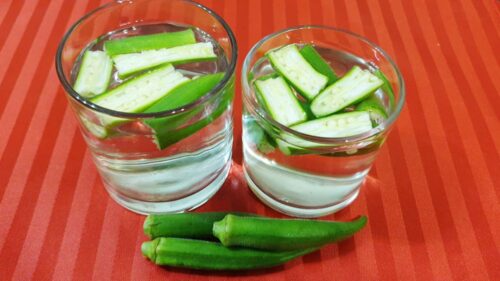
Okra water for hair is nutrient-rich. DIY topical treatment made by boiling or soaking fresh okra pods (Abelmoschus esculentus) to extract their natural mucilage. The gel from okra is packed with vitamins A and C and magnesium. This provides an organic, silicone-free alternative for deep hydration, natural detangling, and scalp health.
Okra water is made by boiling or soaking fresh okra pods in water. When heated, okra releases a thick gel-like substance called mucilage.
The Anatomy of Okra: Why Your Hair Loves It
When you soak or boil okra, it releases mucilage—a thick, gel-like substance. This isn’t just “goo”; it’s a concentrated delivery system for:
Vitamin C: Essential for collagen production, which provides the “building blocks” of hair.
Vitamin A: Helps skin glands make sebum, which moisturizes the scalp.
Magnesium: A mineral that helps prevent calcium buildup on the scalp (which can lead to hair loss).
Polyphenols & Flavonoids: Potent antioxidants that protect follicles from oxidative stress.
When applied to hair, these nutrients:
Hydrate strands
Protect the scalp
Reduce breakage
Improve manageability
Unlike synthetic conditioners, okra water contains no sulfates, silicones, or parabens.
The Science Behind Okra Water for Hair
Although direct clinical trials on okra water for hair are limited, research on its nutrients supports its benefits.
Vitamin C and Hair Structure
Vitamin C plays a role in collagen production. Collagen strengthens hair structure and reduces fragility. According to dermatology research, antioxidant-rich nutrients help protect follicles from oxidative stress.
Antioxidants and Scalp Protection
Okra contains polyphenols and flavonoids. These compounds fight free radicals. Free radicals damage hair follicles and contribute to thinning.
Mucilage as a Natural Conditioner
Mucilage behaves like plant-based hyaluronic acid. It attracts moisture and forms a light protective layer over the hair shaft.
That protective coating explains the slip and shine many users notice.
10 Benefits of Okra Water for Hair
Deep Hydration Without Heavy Oils
Okra water pulls moisture into the hair shaft. Unlike coconut oil, it does not weigh hair down. People with fine or low-porosity hair especially benefit from this lightweight hydration.
Improved Detangling and Reduced Breakage
The natural slip from mucilage makes combing easier. In our experience, detangling time dropped by half. Less tugging means less mechanical damage.
Curly and coily hair types benefit the most.
Healthier Scalp Environment
Okra contains mild antimicrobial compounds. These compounds help reduce irritation and dryness. A calm scalp creates better conditions for healthy growth.
Enhanced Natural Shine
When hair cuticles lie flat, they reflect more light. Okra water smooths the outer layer of hair, increasing shine naturally.
Reduced Frizz in Humid Weather
Because mucilage seals moisture inside the strand, it helps prevent excess moisture from entering in humid conditions.
Support for Hair Growth
Okra water does not magically grow hair overnight. However, it supports growth indirectly by:
Reducing breakage
Supporting scalp health
Improving follicle environment
Healthy follicles grow stronger strands.
Better Elasticity and Strength
Magnesium and trace minerals help maintain structural integrity. Hair stretches slightly without snapping.
Soothing for Itchy Scalp
We noticed immediate relief from dryness-related itchiness after two applications. The cooling gel texture calms inflammation.
Chemical-Free Alternative to Conditioners
Commercial conditioners often rely on silicones for smoothness. Silicones coat hair but may build up over time. Okra water provides slip without buildup.
Affordable and Sustainable Hair Care
A week’s supply costs less than a single salon product. It also reduces plastic waste.
How to Prepare & Use Your Okra Treatment
The Recipe:
Prep: Wash and slice 5–7 fresh okra pods.
Boil: Simmer in 2 cups of water for 10–15 minutes until the water thickens.
Cool & Strain: Let it cool completely, then strain through a cheesecloth or fine mesh strainer into a glass jar.
Preserve: Store in the fridge for up to 4–5 days.
Three Ways to Apply:
The Power Rinse: After shampooing, pour the okra water over your hair. Massage into the scalp, let sit for 5–10 minutes, and rinse with cool water.
The Leave-In Mist: Dilute a small amount with water in a spray bottle for daily hydration.
The Mask: Mix with honey or aloe vera gel for a 30-minute deep conditioning session.
Comparison: Okra Water vs. Commercial Conditioners
| Feature | Okra Water | Store-Bought Conditioners |
| Primary Ingredient | Plant Mucilage | Silicones / Fatty Alcohols |
| Cost | Very Low | Moderate to High |
| Build-up Risk | Minimal | High (requires clarifying) |
| Chemicals | 0% | Fragrances, Parabens, Sulfates |
Commercial products offer convenience. However, they often rely on temporary cosmetic fixes. Okra water works with your hair’s biology instead of masking problems.
Safety & Precautions
Patch Test: Always test a small patch of skin first to ensure no vegetable allergy.
Oxalate Note: While okra is high in oxalates (a concern for kidney stones), this applies to ingestion, not topical application to the hair.
Freshness: Because it has no preservatives, it will spoil. If it smells sour, toss it.
Real-Life Experience: What Happened in Our Family
After four weeks of twice-weekly use:
Hair felt softer.
Breakage reduced.
Scalp dryness improved.
Detangling became easier.
We stopped using heavy conditioners entirely.
The key was consistency.
Frequently Asked Questions
How often should I use okra water for hair?
Use it two to three times per week for best results.
Does okra water grow hair fast?
It supports healthy growth but does not accelerate growth beyond natural rates.
Can I leave okra water overnight?
Yes, but apply lightly to avoid stickiness.
Is okra water suitable for all hair types?
Yes. Fine hair users should apply smaller amounts.
Does it smell bad?
Fresh okra water has a mild vegetable scent that fades after drying.
Can I mix it with oils?
Yes. Combine with lightweight oils for added nourishment.
Final Thoughts
Natural remedies aren’t “magic,” but they are often more biologically compatible with our bodies than synthetic alternatives. Okra water offers a science-backed way to hydrate and protect your hair for the cost of a few vegetables.
If you’re tired of the “product graveyard” under your bathroom sink, give this a try for three weeks. Your curls (and your wallet) will thank you.

