

Introduction:
Yoga and anti-aging are deeply connected at the cellular level. While aging is a natural biological process, modern science and ancient yogic wisdom agree on one powerful truth: lifestyle choices can slow down cellular aging—and yoga is one of the most effective tools.
Yoga supports healthy aging by improving blood circulation, reducing chronic stress, balancing hormones, and enhancing cellular repair. Unlike cosmetic anti-aging treatments that focus only on appearance, yoga works from the inside out, addressing the root causes of premature aging and long-term health decline.
How Aging Affects Cellular Health
Aging begins at the cellular level. As we grow older, cells become less efficient at repairing themselves. This decline accelerates due to:
- Oxidative stress
- Chronic inflammation
- Poor circulation
- Hormonal imbalance
Over time, these factors lead to visible aging signs such as wrinkles, low energy, reduced immunity, and organ dysfunction. Slowing this process requires improving the internal cellular environment—and this is where yoga plays a key role.
The Role of Stress and Cortisol in Premature Aging
Chronic stress is one of the biggest contributors to accelerated aging. When the body stays in a constant stress state, it releases excess cortisol. High cortisol levels:
- Damage healthy cells
- Increase inflammation
- Suppress immune function
- Speed up cellular aging
Yoga activates the parasympathetic nervous system, also known as the “rest and repair” mode. This reduces cortisol production, allowing cells to regenerate and repair more efficiently.
How Yoga Slows Aging at the Cellular Level
Yoga is a unique combination of movement, controlled breathing, and mindful awareness. Together, these elements create optimal conditions for cellular health.
Yoga supports anti-aging by:
- Improving oxygen delivery to cells
- Enhancing nutrient absorption
- Reducing oxidative stress
- Supporting hormonal balance
- Promoting cellular detoxification
Gentle stretching increases blood flow, ensuring cells receive oxygen and nutrients while removing metabolic waste. Over time, this slows cellular degeneration and supports longevity.
Anti-Aging Benefits of Yoga for Skin and Elasticity
Healthy skin reflects healthy cells. Stress, poor circulation, and lack of oxygen make skin dull and less elastic.
Yoga improves skin health by:
- Increasing blood flow to facial tissues
- Supporting collagen production
- Improving sleep quality
- Reducing stress-related skin damage
Forward bends and gentle inversions enhance circulation to the face and scalp, promoting natural skin rejuvenation. With regular practice, yoga helps maintain a natural glow and youthful appearance—without artificial interventions.
Best Yoga Poses for Longevity and Cellular Health
5
Downward-Facing Dog (Adho Mukha Svanasana)
This position intensifies the amount of blood that moves to the brain and upper body. Thereby increasing oxygen supply to the cells. It enhances muscles, postures, and joints, which are vital for growing old.
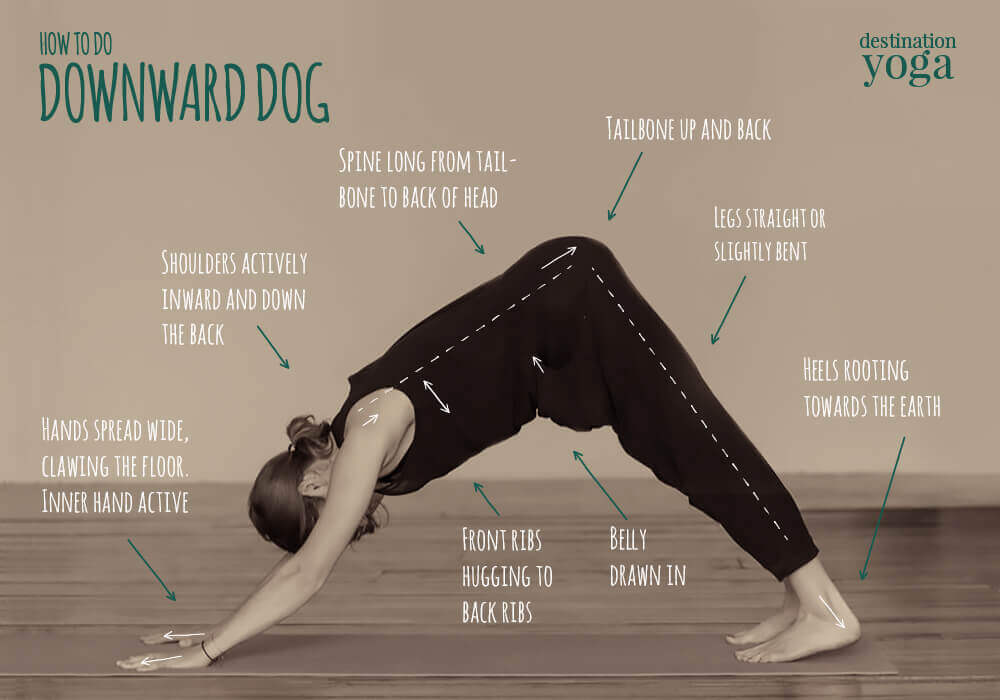
- Improves circulation to the brain
- Enhances oxygen supply to cells
- Strengthens muscles and joints
- Supports healthy posture with aging
Bridge Pose (Setu Bandhasana)

The Bridge Pose activates the thyroid gland, which is crucial in metabolic and energy regulation. It also makes the spine stronger and better circulated, and enhances cellular repair and hormonal balance.
- Stimulates the thyroid gland
- Supports metabolism and energy levels
- Improves spinal flexibility
- Encourages cellular repair
Seated Spinal Twist
Twisting poses support natural detoxification by gently massaging the internal organs and improving digestion. Efficient digestion enhances nutrient absorption, which is essential for maintaining healthy, well-functioning cells.
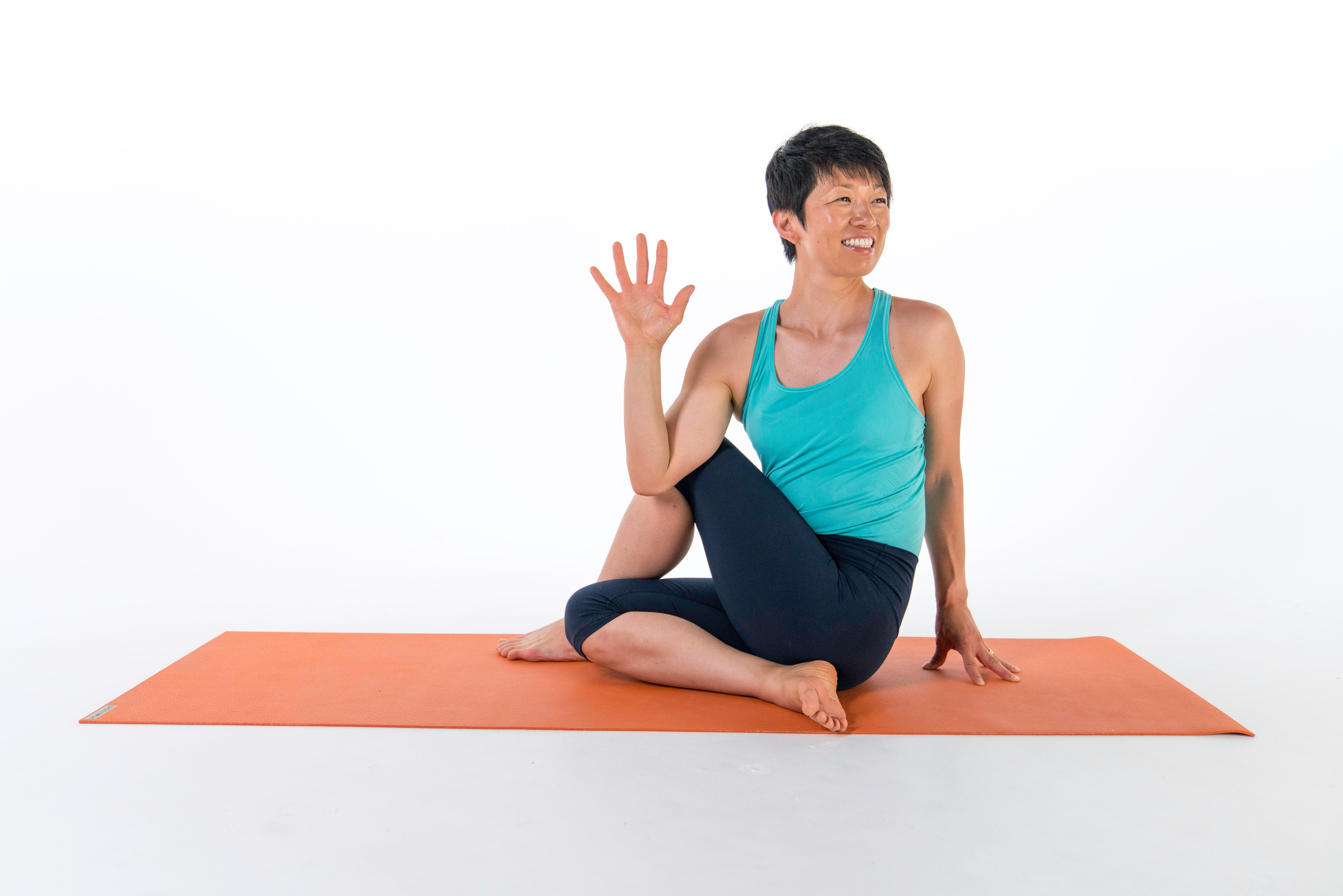
- Supports digestion and detoxification
- Improves nutrient absorption
- Enhances gut-cell connection
- Reduces stiffness in the spine
Tree Pose (Vrikshasana)
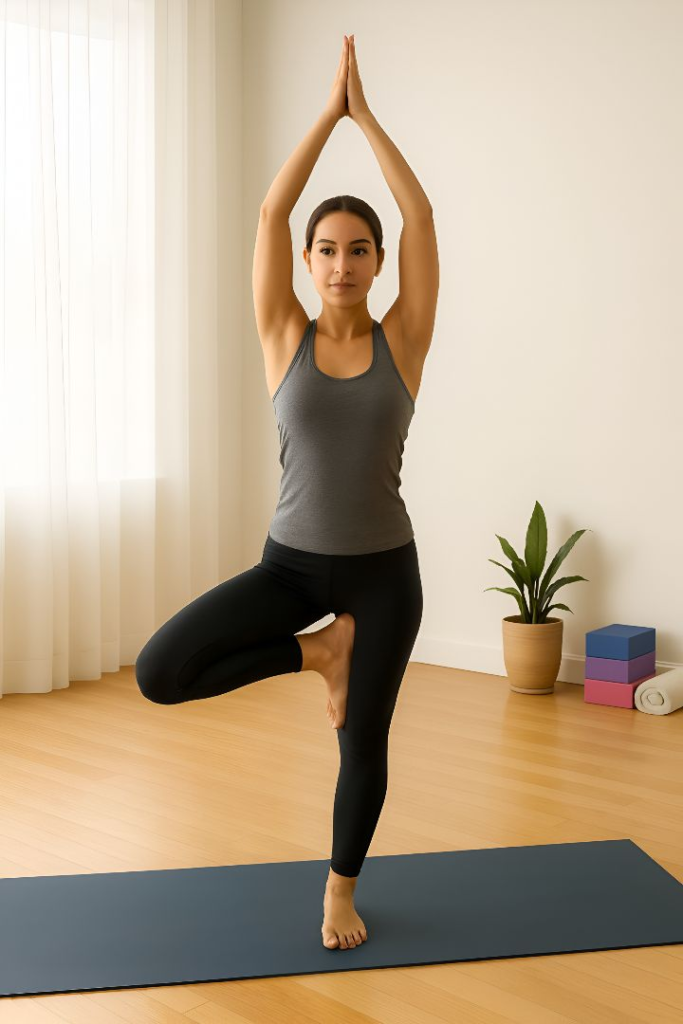
Balance enhances coordination, bone strength, and concentration. The Tree Pose helps strengthen the spine and legs. It also improves mental clarity. This can reduce the chance of mobility and thinking problems as we age.
- Improves balance and coordination
- Strengthens bones and legs
- Enhances mental focus
- Prevents age-related mobility decline
Child’s Pose (Balasana)
This is a very relaxing pose that soothes the nervous system and alleviates stress. Stress levels are low and this reduces the rate of cortisol production, which saves the cells from early aging.
- Calms the nervous system
- Reduces cortisol levels
- Promotes deep relaxation
- Supports cellular recovery
How Yogic Breathing Supports Anti-Aging
Breathing techniques are a core part of yoga’s anti-aging benefits.
Deep yogic breathing:
- Improves oxygen efficiency
- Reduces oxidative stress
- Activates cellular repair mode
- Supports mitochondrial health
Healthy mitochondria—the energy centers of cells—are directly linked to longevity. Conscious breathing helps maintain mitochondrial function, slowing cellular aging over time
Mental and Emotional Health in Healthy Aging
Aging is not only physical. Mental and emotional well-being strongly influence how we age.
Negative thought patterns, anxiety, and emotional stress:
- Increase inflammation
- Suppress immunity
- Accelerate brain aging
Yoga enhances mindfulness, emotional balance, and mental clarity. Regular practice improves memory, concentration, and mood while reducing anxiety and depression. A calm mind supports healthy brain cells and slows cognitive decline.
How Often Should You Practice Yoga for Anti-Aging?
Consistency matters more than intensity when it comes to anti-aging yoga.
Best practice guidelines:
- 15–30 minutes daily
- Gentle, restorative poses
- Focus on breath and relaxation
- Avoid over-straining the body
Even short daily sessions improve flexibility, joint mobility, energy levels, and cellular resilience over time.
Yoga as a Lifestyle for Long-Term Youthfulness
Yoga works best when combined with other healthy lifestyle habits:
- Quality sleep
- Balanced nutrition
- Proper hydration
- Mindful living
Together, these practices create an internal environment that supports cellular repair and slows degeneration. Yoga also improves body awareness, helping individuals make healthier choices naturally.
If you’re exploring natural ways to age well, start with just 15 minutes of mindful yoga today. Small daily practices create powerful long-term changes.
Conclusion: Yoga Is a Sustainable Anti-Aging Practice
Yoga is not a quick fix for aging—it is a sustainable, lifelong approach to healthy aging. By reducing stress, improving circulation, balancing hormones, and supporting cellular repair, yoga helps the body age gracefully from the inside out.
With consistent practice, yoga promotes vitality, emotional balance, youthful energy, and long-term well-being.
Frequently Asked Questions About Yoga and Anti-Aging
1. Can yoga really slow down aging?
Yes. Yoga can slow down aging by reducing stress hormones, improving circulation, balancing hormones, and supporting cellular repair. Regular yoga practice creates a healthy internal environment that helps cells regenerate and function efficiently.
2. Which yoga poses are best for anti-aging?
Some of the best anti-aging yoga poses include Downward-Facing Dog, Bridge Pose, Seated Spinal Twist, Tree Pose, and Child’s Pose. These poses improve blood flow, reduce inflammation, and support hormonal balance
3. How does yoga improve cellular health?
Yoga improves cellular health by enhancing oxygen delivery, reducing oxidative stress, lowering cortisol levels, and supporting mitochondrial function. These benefits help slow cellular degeneration and promote longevity.
4. How often should I practice yoga for anti-aging benefits?
Practicing yoga for 15–30 minutes daily is ideal for anti-aging benefits. Consistency is more important than intensity. Gentle, restorative poses combined with mindful breathing work bes
5. Does yoga help with skin aging and wrinkles?
Yes. Yoga improves blood circulation, reduces stress, enhances sleep quality, and supports collagen production. These factors help maintain skin elasticity and a youthful glow naturall
6. Is yoga better than anti-aging treatments?
Yoga addresses the root causes of aging, such as stress, inflammation, and poor circulation. Unlike cosmetic treatments that focus on appearance, yoga supports long-term cellular health and overall well-being.
7. Can beginners practice yoga for anti-aging?
Absolutely. Beginners can safely practice gentle yoga poses and breathing exercises. Simple, consistent practice provides powerful anti-aging benefits without strain.
About the Author
Jesu Raj Athisayam is a wellness writer, yoga lifestyle researcher, and holistic health advocate with a deep interest in the connection between yoga, longevity, and natural living. With years of hands-on experience exploring yoga practices, mindful movement, breathing techniques, and traditional wellness systems, he focuses on translating ancient wisdom into simple, practical guidance for modern life.
Through his work at Benvital Five, Jesu Raj creates evidence-informed, experience-driven content that helps readers improve cellular health, reduce stress, and age gracefully through sustainable lifestyle practices. His writing emphasizes long-term well-being over quick fixes, blending yoga philosophy with modern health awareness.
Jesu Raj regularly researches scientific studies, traditional yogic texts, and real-world wellness practices to ensure accuracy, clarity, and trustworthiness in every article.
Editorial focus: Yoga for longevity, mindful living, anti-aging practices, and natural health optimization.

