
Introduction
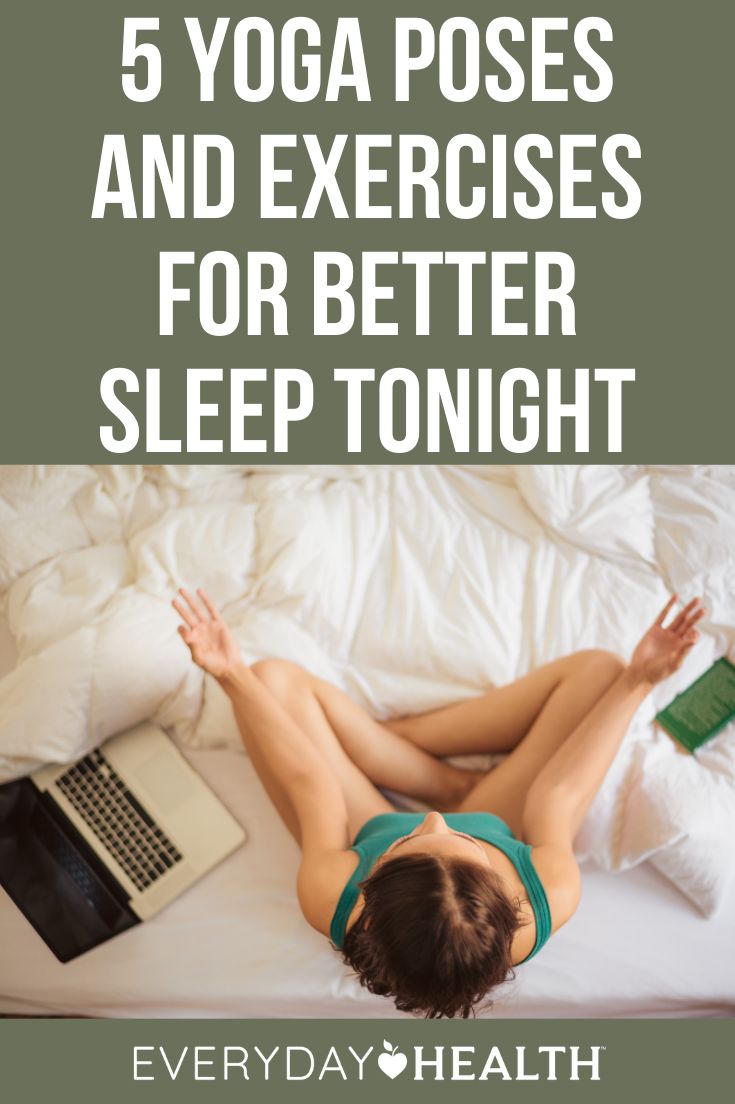
Yoga for better sleep works by calming the nervous system, reducing stress hormones, and preparing the body for deep rest. Gentle yoga poses and mindful breathing before bed improve sleep quality, reduce nighttime awakenings, and support natural circadian rhythms.
Takeaway
Practising gentle yoga for just 10 minutes before bed calms your nervous system and reduces stress. It helps you fall asleep faster—naturally and without medication.
The Science of Yoga for better Sleep (How Yoga Improves Sleep Naturally)
Sleep is essential for physical recovery, emotional balance, and mental clarity. Modern lifestyles can disrupt our natural sleep patterns. Factors like late-night screen time, stress, irregular schedules, and constant mental stimulation contribute to this issue.
Yoga offers a natural, drug-free solution for sleep problems. Instead of forcing sleep, yoga helps the body and mind relax. This makes sleep happen naturally instead of being a struggle.
How the Nervous System Connects Yoga and Sleep
Sleep is controlled by the autonomic nervous system, which has two key modes:
- Sympathetic nervous system— “fight or flight.”
- Parasympathetic nervous system— “rest and digest.”
Stress, anxiety, and overthinking keep the body stuck in alert mode. Yoga activates the parasympathetic nervous system, slowing heart rate, relaxing muscles, and calming the breath.
This physiological shift creates the ideal internal environment for deep, restorative sleep.
Why Evening Yoga Is Better Than Intense Exercise Before Bed
Vigorous workouts close to bedtime can overstimulate the nervous system. In contrast, gentle evening yoga:
- Releases accumulated physical tension
- Lowers cortisol (stress hormone) levels
- Reduces mental chatter
- Signals the brain that it’s time to wind down
That’s why slow, restorative yoga is especially effective before sleep.
How Yoga Enhances Sleep Quality Long-Term

Regular bedtime yoga practice improves sleep in multiple ways:
- Relieves muscle stiffness and body fatigue
- Improves breathing efficiency
- Enhances mindfulness and emotional regulation
- Supports healthy circadian rhythms
Over time, the body starts to link yoga with rest. This makes it easier to fall asleep and stay asleep naturally.
“Yoga improves not only sound sleep duration. The sleep quality allows the body to move more efficiently through deep and restorative sleep stages.”
How to Prepare for a Bedtime Yoga Practice
To get maximum sleep benefits, your evening yoga routine should feel soothing, not strenuous.
Best practices before bedtime yoga:
- Dim the lights
- Reduce screen exposure
- Wear loose, comfortable clothing
- Practice on a yoga mat or soft surface
- Move slowly and intentionally
The goal is not deep stretching—it’s sending a clear message to the body that rest is near.
10-Minute Yoga Routine for Deep, Restful Sleep
- Seated Forward Fold—2 minutes
- Child’s Pose—2 minutes
- Supine Spinal Twist—1 minute each side
- Legs Up the Wall—3 minutes
- Savasana with slow breathing—2 minutes
Breathe slowly through the nose and keep your eyes gently closed.
Yoga Poses That Help to Achieve Good Sleep
Some of the yoga postures are exceptionally good at inducing sleep because they are very calming and restorative.
If your mind feels restless at night, start with just one pose from this list tonight. Even a single calming posture can make a noticeable difference in how quickly you fall asleep.
Seated Forward Fold (Paschimottanasana)

This calming forward bend promotes introspection and nervous system relaxation. Gentle folding helps release tension in the spine and shoulders while quieting mental agitation.
Sleep benefit: Reduces stress and prepares the mind for rest.
Legs Up the Wall
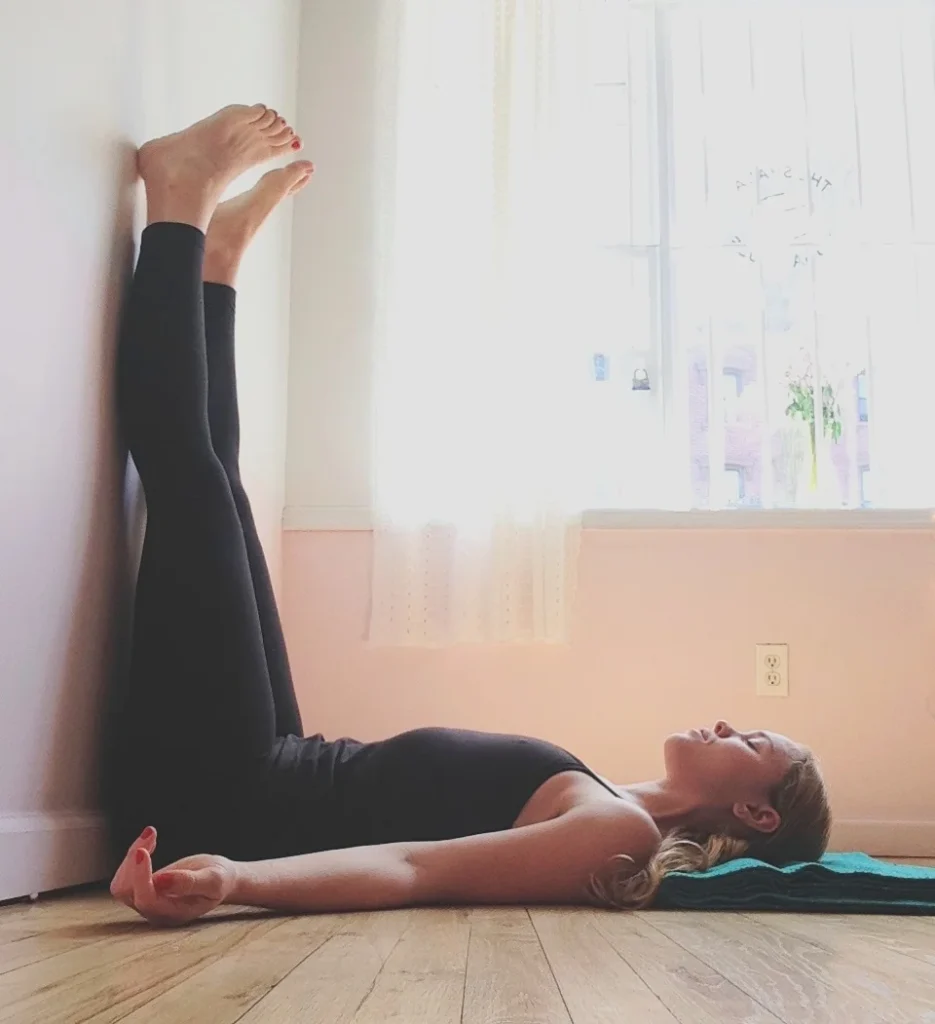
Legs Up the Wall (Viparita Karani)
This restorative inversion improves circulation and induces profound relaxation with minimal effort. It’s especially helpful for people experiencing anxiety, fatigue, or restless legs at night.
Sleep benefit: Encourages full-body relaxation and mental calm.
Child’s Pose (Balasana)
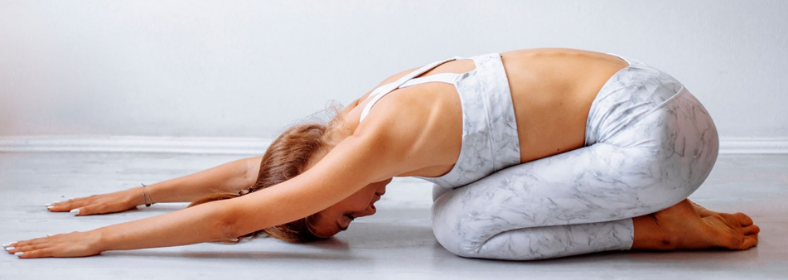
Child’s Pose creates a sense of safety and grounding. Gentle pressure on the torso sends calming signals to the nervous system, helping release emotional tension.
Sleep benefit: Promotes emotional comfort and slow, deep breathing.

Supine Spinal Twist
Gentle twists release tension in the spine and lower back while soothing the digestive system. This pose helps the body feel supported and at ease.
Sleep benefit: Relaxes physical discomfort that can disturb sleep.
Twists assist in relieving tension in the spine and the lower back and also relax the digestive system. It is a pose that allows the body to feel at ease and the emotions to feel good, which enhances better sleep. “Gentle evening yoga is especially effective before sleep.”
Grasping the twist softly with both hands stimulates a position of absolute relaxation.
Corpse Pose (Savasana) with Breath Awareness
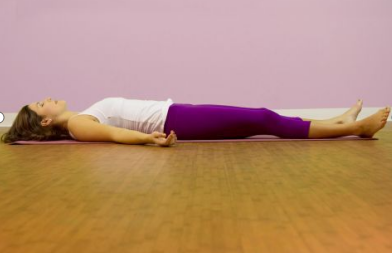
Ending your practice in full relaxation allows the body to absorb the benefits of yoga. “Conscious breathing in this pose slows brain activity and transitions smoothly into sleep”.
Sleep benefit: Signals complete rest and prepares the body for bedtime.
Breathing Exercises and Meditation for Deep Sleep
Breathwork is one of the most powerful tools for improving sleep quality.
Slow, rhythmic breathing:
- Calms the nervous system
- Reduces anxiety
- Shifts the brain into relaxation mode
Even 5 minutes of mindful breathing before bed significantly improves sleep onset and depth. This pose is good, especially for those experiencing anxiety-related insomnia.
“Simple breathing exercises for sleep, such as slow nasal breathing, calm the nervous system and support faster sleep onset.”
How to Build a Simple Nighttime Yoga Routine
Consistency is the key to long-term sleep improvement.
Ideal routine:
- Duration: 10–20 minutes
- Time: Same time each evening
- Focus: Gentle poses and slow breathing
Over time, this routine becomes a strong biological cue, helping the body fall asleep more easily and naturally.
Benefits of Better Sleep Beyond the Night
Quality sleep impacts every aspect of health, including:
- Improved focus and memory
- Better emotional regulation
- Stronger immune system
- Balanced hormones
- Higher daytime energy
Yoga-based sleep practices address the root causes of poor sleep, reducing reliance on medications or supplements.
“Yoga improves not only sound sleep. It also improves sleep quality, allowing the body to move more efficiently through deep and restorative sleep stages.” “Together, these walking habits create a sustainable, whole-body approach to restful sleep.”
Yoga as Part of a Complete Sleep Hygiene Strategy
Yoga works best when combined with healthy sleep habits such as:
- Regular bedtime and wake time
- Reduced evening screen exposure
- Calm sleep environment
- Mindful relaxation practices
Together, these habits create a sustainable, whole-body approach to restful sleep.
“This holistic approach strengthens overall sleep hygiene, helping the body maintain consistent and healthy sleep patterns.”
To understand how yoga can improve sleep and calm your mind and emotions, check out the guide. Yoga Beyond the Mat: Transforming Mind, Body, and Life in Unexpected Ways.
Frequently Asked Questions
Does yoga really help you sleep better?
Yes. Yoga calms the nervous system, lowers stress hormones, and prepares the body for deep rest, making it easier to fall asleep and stay asleep.
Which yoga pose is best before bed?
Legs Up the Wall, Child’s Pose, and Savasana are among the most effective poses for inducing relaxation before sleep.
How long should I do yoga before sleeping?
A gentle 10–20 minute routine is sufficient to signal the body that it’s time to rest.
Can yoga help with insomnia naturally?
Yes. Regular bedtime yoga can significantly improve insomnia caused by stress, anxiety, or mental overactivity.
Is breathing or stretching more important for sleep?
Both are important, but slow breathing has a stronger calming effect on the nervous system and directly supports sleep onset.
Conclusion: Yoga as a Natural Path to Better Sleep
Sleep is a foundational pillar of health, and yoga offers a safe, effective way to improve it naturally. Yoga helps calm the nervous system. It releases physical tension and quiets the mind. This prepares the body for deep, restorative rest.
With consistent practice, yoga becomes more than a sleep aid—it becomes a long-term solution for balance, resilience, and overall well-being.
Unlike sleep medications, yoga improves sleep without side effects by addressing stress at its root.”
Try This Tonight
Choose a quiet corner, dim the lights, and follow this routine once tonight. Notice how your body feels afterward—no expectations, just awareness.
Which pose helped you relax the most tonight?

