

Introduction:
Office yoga for productivity is simple. 10-minute practice that helps reduce work stress, improve posture, and sharpen mental focus. By combining gentle stretches with mindful breathing, office yoga boosts energy and concentration—without disrupting the workday.
In today’s screen-driven work culture, many professionals spend 8–10 hours seated, mentally alert but physically inactive. Over time, this leads to stiffness, mental fatigue, reduced focus, and declining performance. While coffee breaks and short walks help temporarily, they don’t fully address the root causes of workplace exhaustion.
This is where office yoga becomes a practical, sustainable solution.
Why Office Yoga Is Essential in Today’s Work Culture
Prolonged sitting restricts blood circulation, tightens muscles, and overstimulates the nervous system. These physical effects directly impact the mind, causing:
- Mental fog
- Irritability
- Poor concentration
- Afternoon energy crashes
Office yoga works holistically. Gentle movements, like walking, restore circulation; breathing exercises calm the nervous system, and mindful awareness improves attention. Unlike intense workouts, yoga energizes without exhausting, making it ideal for the workplace.
How a 10-Minute Office Yoga Routine Improves Focus and Productivity
Contrary to popular belief, productivity doesn’t improve with longer breaks—it improves with intentional movement.
A short 10-minute office yoga routine:
- Increases oxygen flow to the brain
- Releases muscular tension
- Reduces mental noise
- Improves decision-making and creativity
These benefits make office yoga especially effective during midday slumps or before tasks requiring deep concentration. Regular practice also prevents burnout by maintaining steady energy levels instead of sharp highs and crashes.
What You Need for an Office Yoga Session (No Equipment Required)
Office yoga requires minimal preparation:
- Comfortable clothing
- A chair
- A small open space beside your desk
The goal is not perfect alignment but slow movement and conscious breathing. Silence notifications, step away from the screen, and give your full attention to the practice—even for a few minutes. This mental pause significantly enhances the results.
Getting Ready for an Office Yoga Session
The preparation needed for office yoga is little. It only needs comfortable clothes, a chair, and a small open space. It is not the ideal posture. Conscious breathing and slow movements should be focused on.
It is useful to turn off the notifications, get off the screen, and devotionally commit to the practice. Even a short break in the work allows for an increase in the efficiency of the routine.
10-Minute Office Yoga Routine You Can Do at Your Desk
This exercise is aimed at de-stressing, enhancing posture, and rejuvenating the mind without interfering with the working day.
Seated Neck and Shoulder Release

Seated Neck and Shoulder Release
Sit upright with both feet grounded. Roll your shoulders gently forward and backwards. Slowly tilt your head side to side, releasing neck tension.
Benefits: Relieves screen-related stiffness and improves blood flow to the brain.
Seated Spinal Twist
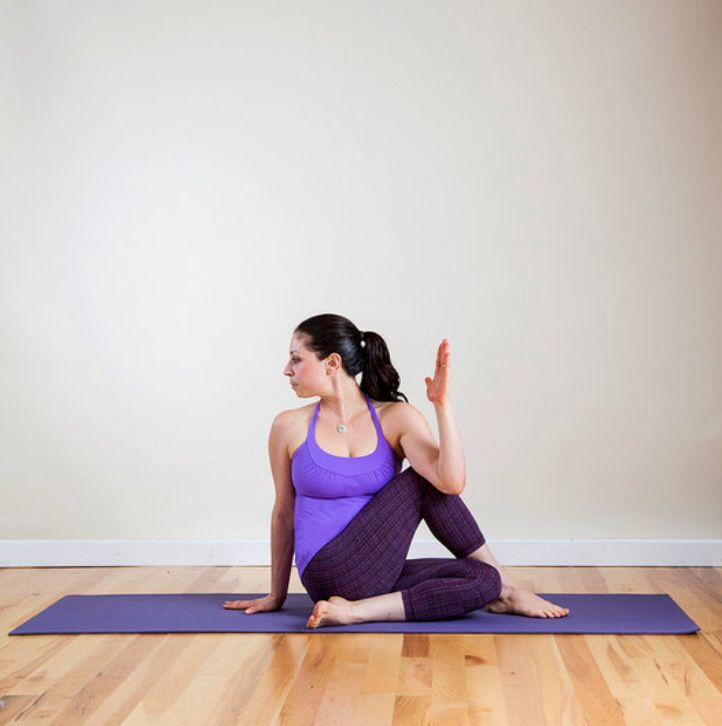
Place one hand on the back of the chair. Inhale to lengthen the spine, then gently twist as you exhale. Hold briefly and switch sides.
Benefits: Stimulates the nervous system, supports digestion, and increases alertness after long sitting periods.
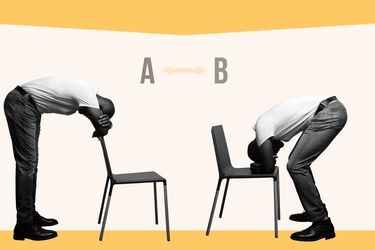
Forward Fold at the Desk
Sitting with hips at hip-width, fold on the hip in front, with the upper body resting. Focus on slow breathing.

It is a position that soothes the mind and gives us less mental load and tension in the lower back.
Standing Stretch and Chest Opening
Sit up and cross your fingers behind your back, and open up your chest. Inhale deeply with the arms raised a bit.
This exercise is against bad posture, enhances the capacity of the lungs, and also increases confidence and energy levels.
Benefits: Calms the mind, reduces mental overload, and releases lower-back tension.
Gentle Standing Balance
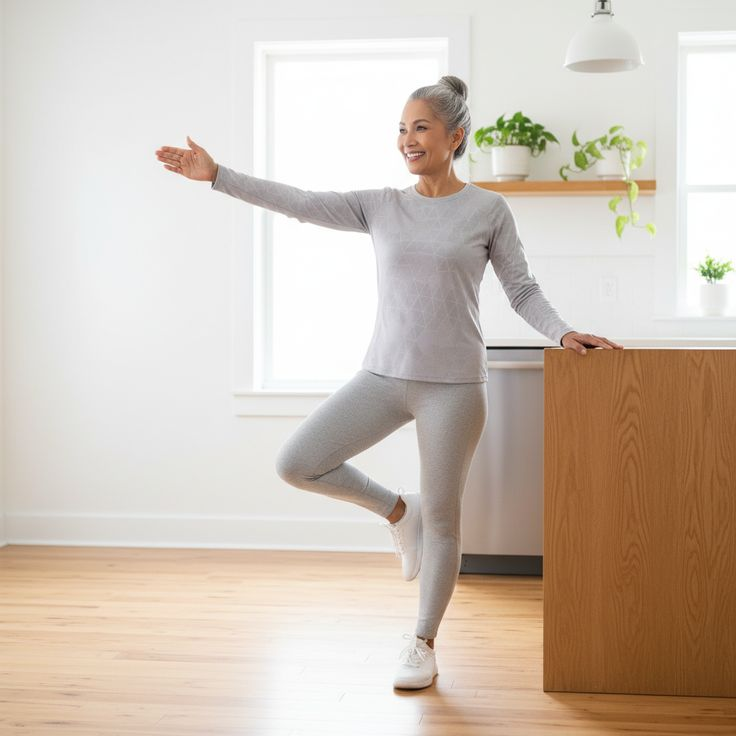
Place weight on one leg, and the foot is weakly grounded on the other. Concentrate on breathing and equilibrium.
Balance can enhance focus and stability of mind and is therefore best suited before intricate tasks or conferences.
Benefits: Corrects poor posture, improves lung capacity, and boosts confidence and energy.
Closing Breath Awareness

Closing Breath Awareness
Sit or stand comfortably. Observe slow, deep inhalations and exhalations for one to two minutes.
Benefits: Integrates the practice, settles the mind, and prepares you to return to work refreshed.
The Role of Breathing in Workplace Productivity
Breathing patterns directly influence concentration and emotional balance. Shallow breathing is linked to stress and fatigue, while deep breathing signals relaxation.
Yoga breathing activates the parasympathetic nervous system, lowering stress hormones and improving cognitive performance.
Research by Harvard Health Publishing (stress & breathing research) highlights that slow, deep breathing is an effective method. This method reduces heart rate, blood pressure, and cortisol levels. This practice promotes mindfulness and also contributes to overall health. Techniques such as diaphragmatic breathing are proving to be particularly beneficial.
Even two minutes of conscious breathing at work can noticeably improve focus and emotional control.
How to Make Office Yoga a Daily Habit
Consistency matters more than duration. A daily 10-minute office yoga practice is more effective than occasional long sessions.
Best times to practice:
- Mid-morning
- Early afternoon
These timings prevent energy crashes and help maintain steady productivity throughout the day. To achieve steady productivity, read mindfulness and breath awareness
Mental and Emotional Benefits Beyond Productivity
Office yoga does more than improve efficiency. Regular practice:
- Reduces workplace stress
- Improves emotional regulation
- Enhances communication and decision-making
- Increases job satisfaction
Yoga also builds awareness of early stress signals, helping prevent burnout before it develops.
Office Yoga as a Long-Term Lifestyle Practice
Workplace yoga naturally complements mindfulness, meditation, and conscious movement. Together, these practices create a balanced approach to mental and physical well-being. To explore how yoga extends beyond physical postures and integrates into everyday life, read Yoga Beyond the Mat
FAQ.
Does office yoga really improve productivity?
Yes. Office yoga improves blood circulation, reduces mental fatigue, and enhances focus—key factors in sustained productivity.
How often should I practice office yoga?
Daily practice is ideal. Even 5–10 minutes consistently delivers noticeable benefits.
Is office yoga safe for beginners?
Absolutely. Office yoga uses gentle movements suitable for all fitness levels.
What is the best time to do yoga at work?
Mid-morning or early afternoon is best to counter fatigue and restore energy.
Can office yoga help with neck and back pain?
Yes. Regular practice relieves tension caused by prolonged sitting and poor posture.
Conclusion: Small Yoga Breaks, Big Productivity Gains
Productivity isn’t about working longer hours—it’s about working with clarity, energy, and balance. A simple 10-minute office yoga routine effectively addresses physical stiffness, mental fatigue, and stress.
Practiced consistently, office yoga becomes a powerful tool for long-term productivity, emotional stability, and workplace wellness—without sacrificing valuable work time.

