
Introduction
In the Tamil Nadu village communities where I spent years learning about natural health, there was a remedy given for almost everything: a warm glass of turmeric milk before bed. Sore throat? Turmeric milk. Inflammation? Turmeric milk. Trouble sleeping? Turmeric milk. Poor digestion? Turmeric milk.
I used to think this was simply tradition — the comforting habit of elders who did not know better. Decades later, modern science has confirmed what village grandmothers knew all along. Turmeric milk, now popularly called golden milk in Western wellness culture, is one of the most nutritionally and therapeutically potent natural drinks you can make.
In this guide, I will explain exactly why it works, how to make it properly, and what the science says about each ingredient.
What Is Turmeric Milk?
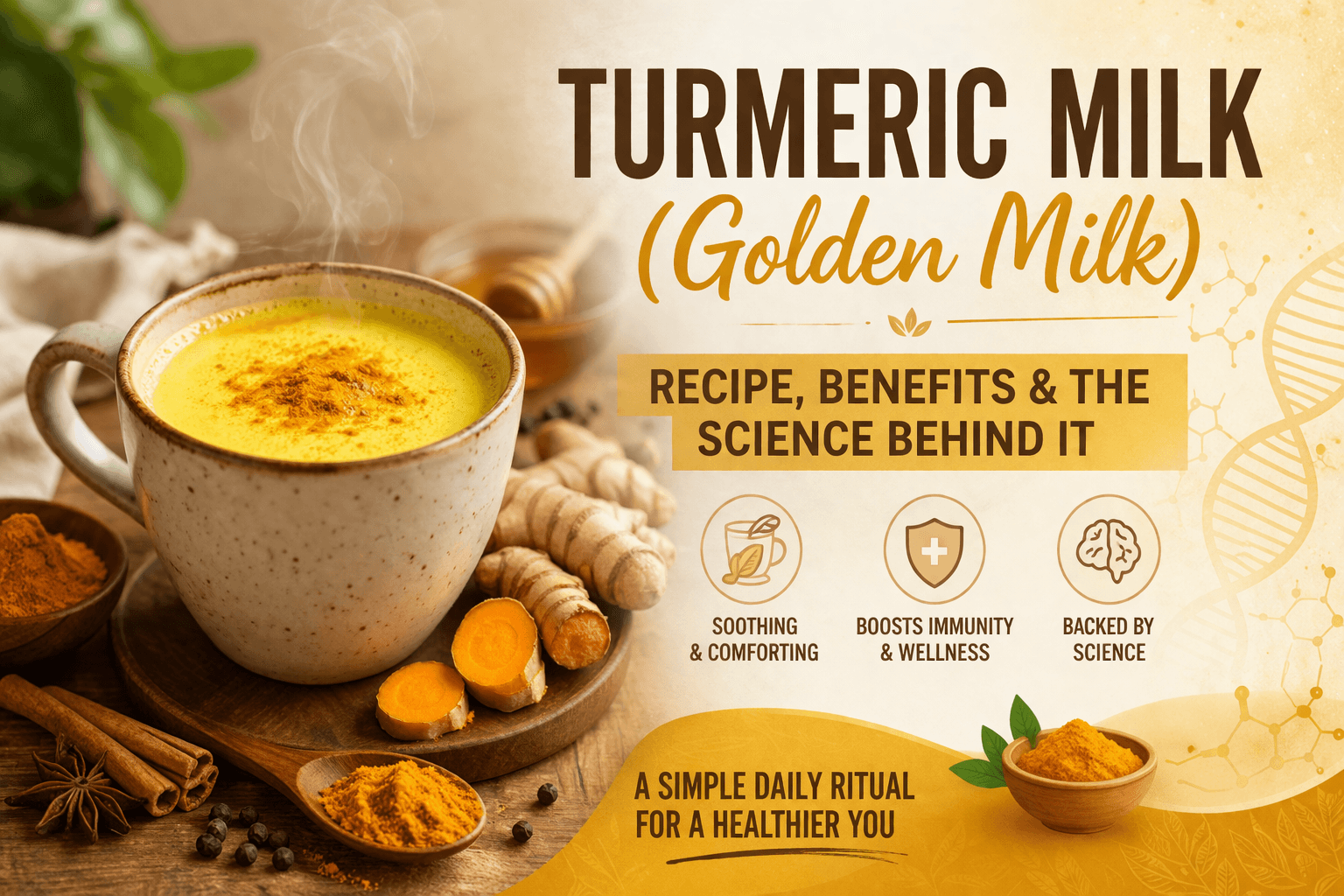
Turmeric milk (known as haldi doodh in Hindi and manjal paal in Tamil) is a traditional Indian drink made by warming milk with turmeric and spices. It has been used in Ayurvedic medicine for centuries as a general health tonic and natural remedy for inflammation, immunity, and sleep.
The modern golden milk movement has introduced variations with plant-based milks, coconut oil, and additional superfoods. The traditional version, however, is beautifully simple and equally effective.
The Science Behind Each Ingredient
Turmeric (Curcuma longa)
The star ingredient. Turmeric contains curcumin, a polyphenol compound with powerful anti-inflammatory and antioxidant properties. Research published in the journal Nutrients has documented curcumin’s effects on reducing inflammatory markers including CRP (C-reactive protein), a key indicator of chronic inflammation.
However, curcumin has poor bioavailability on its own — meaning the body absorbs very little of it. This is where the next ingredient becomes critical.
Black Pepper
Piperine, the active compound in black pepper, has been shown in research published in Planta Medica to increase curcumin absorption by up to 2,000%. This is why traditional recipes always include black pepper — it is not just for flavor. Without it, most of the turmeric passes through unabsorbed.
Milk or Plant-Based Milk
Fat also enhances curcumin absorption, as it is fat-soluble. Whole milk, coconut milk, or almond milk all serve this purpose. For lactose-intolerant individuals, full-fat coconut milk is the most effective alternative.
Ginger
Ginger adds digestive support, reduces nausea, and contributes additional anti-inflammatory compounds (gingerols and shogaols). Research in the Journal of Medicinal Food supports ginger’s role in reducing joint pain and muscle soreness.
Cinnamon
Cinnamon has been shown to help regulate blood sugar levels and contributes warming, anti-inflammatory properties. A meta-analysis in the Journal of Medicinal Food found that cinnamon supplementation modestly but meaningfully reduced fasting blood glucose.
Honey or Jaggery
Traditional sweeteners that add more than just sweetness. Raw honey has antimicrobial properties. Jaggery (unrefined cane sugar) retains iron, magnesium, and potassium that refined sugar does not.
Evidence-Backed Benefits of Turmeric Milk
- Reduces chronic inflammation and may lower the risk of inflammatory diseases
- Supports immune function through curcumin’s antioxidant and antimicrobial properties
- Improves sleep quality — turmeric contains turmerone, which supports serotonin synthesis, a precursor to melatonin
- Supports joint health and reduces arthritis symptoms
- Improves digestion and reduces bloating
- May support brain health — curcumin has been studied for its potential role in reducing neuroinflammation
The Traditional Turmeric Milk Recipe
Ingredients (serves 1)
- 1 cup whole milk or full-fat coconut milk
- 1/2 teaspoon turmeric powder (or 1 inch fresh turmeric, grated)
- 1/4 teaspoon black pepper, freshly ground
- 1/4 teaspoon ginger powder or fresh ginger grated
- 1/4 teaspoon cinnamon powder
- 1 teaspoon honey or jaggery (adjust to taste)
- A pinch of cardamom (optional, traditional Tamil flavor)
Method
- Heat milk in a small saucepan over medium-low heat. Do not boil.
- Add turmeric, black pepper, ginger, and cinnamon.
- Stir gently for 3 to 5 minutes until the spices are fully incorporated.
- Remove from heat and allow to cool slightly.
- Add honey or jaggery and stir until dissolved.
- Pour into a cup and drink warm, ideally 30 minutes before bed.
When Is the Best Time to Drink Turmeric Milk?
Evening, approximately 30 minutes before sleep, is the most effective time. The warmth promotes relaxation, the turmeric and tryptophan in milk support serotonin and melatonin production, and the anti-inflammatory compounds work during the body’s natural overnight repair cycle.
It can also be consumed in the morning as an alternative to tea or coffee for those who experience caffeine sensitivity.
Who Should Be Careful?
- People on blood-thinning medications: Turmeric may have mild anticoagulant effects
- People with gallbladder disease: Curcumin stimulates bile production
- Those with iron deficiency: Curcumin may inhibit iron absorption — take separately from iron supplements
As always, consult your doctor if you have any ongoing health conditions before making dietary changes.
Key Takeaways
- Turmeric milk is a simple, powerful traditional drink with strong scientific support
- Black pepper is essential — without it, most of the curcumin is not absorbed
- Drink it warm, before bed, for best sleep and anti-inflammatory benefits
- It is one of the most cost-effective and accessible natural health practices available

