
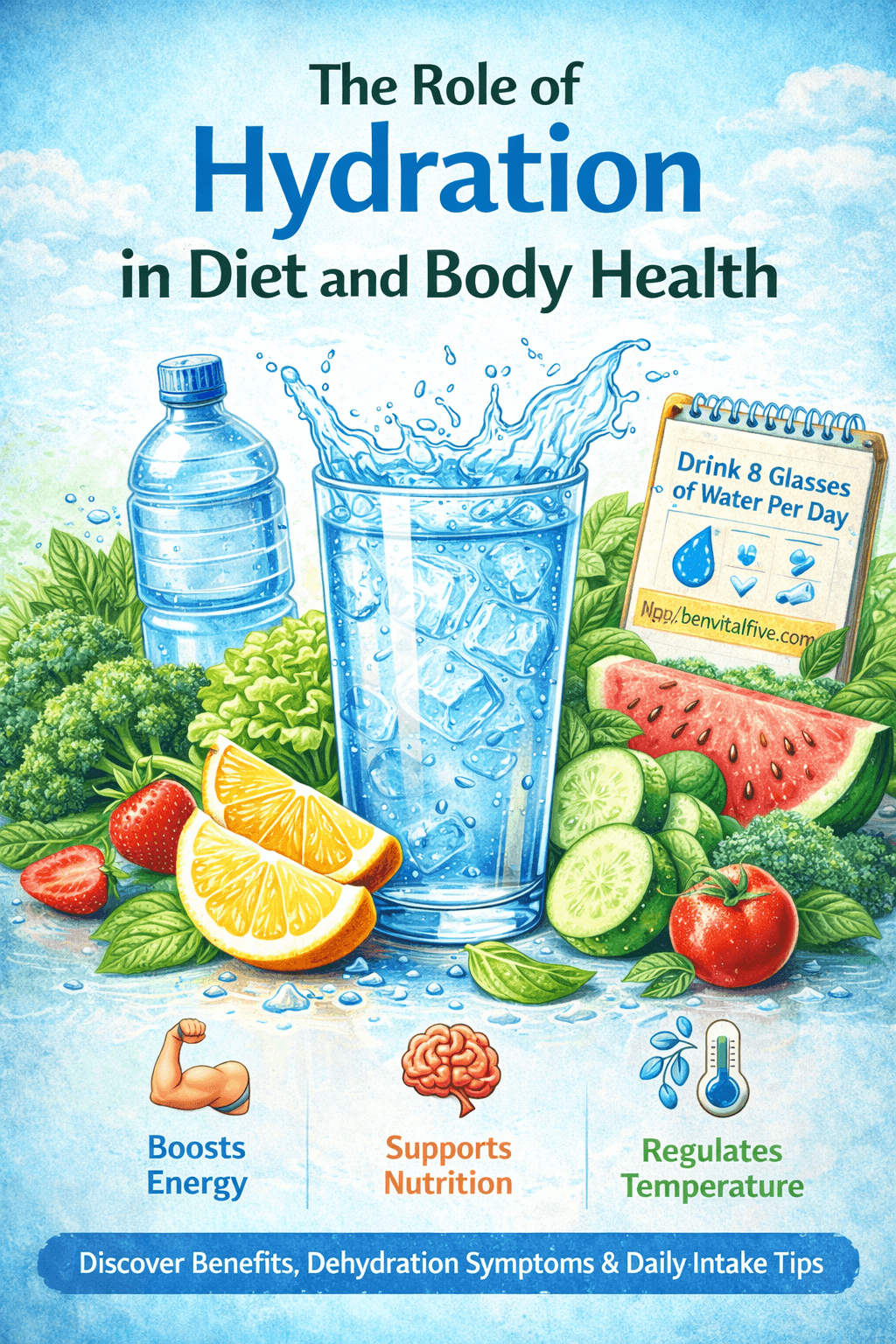
Being in the world today where things are going so fast and we tend to forget what is very important amongst it all – our nutrition. But one key ingredient that many of us forget is water. Water is also a key component in maintaining good nutrition, bodily functions and general health. Without hydration, the most well-balanced diet does not function properly in your body.
Having well-hydrated and healthy skin are both key here. The body needs water for all the cells, tissues and organs. From digestion and nutrient absorption to temperature regulation and detoxification, virtually every system in your body depends on water.
In today’s blog we take a look into the role of water in nutrition, hydration benefits, symptoms of dehydration and how much water everyday you should be drinking for good health.
Understanding Hydration in Nutrition

Hydration means having sufficient fluid in your body. If food are the nutrients then water is the ferry that carries these nutrients to their destination and makes sure all of them are absorbed and used.
Water helps:
• Dissolve vitamins and minerals
• Transport nutrients to cells
• Regulate body temperature
• Flush toxins from the body
• Support metabolic functions
When your body is not well-hydrated, it cannot execute these functions and you end up feeling tired, digesting poorly, and becoming susceptible to the cold.
Water Benefits for Overall Health
There’s really a reason water is so often referred to as the “elixir of life.” It helps multiple body systems and overall health.
Improves Digestion
It helps to break moosh food to get better absorption of nutrients. Keeps the digestive tract in good condition and free from constipation.
Enhances Nutrient Absorption
Hydration and food for healthy living are closely related in that water aids in the digestion of nutrients such as Vitamin C, B-complex vitamins, and minerals so they may be absorbed by the body.
Supports Detoxification
The kidneys use water to transport waste and impurities in our blood into urine. Good hydration helps to minimize the accumulation of toxins and is also beneficial for liver health.
Regulates Body Temperature
Your body uses it to regulate your temperature through sweating and respiration, particularly in hot weather or during physical activity.
Boosts Energy Levels
Even mild dehydration can bring on feelings of fatigue and mental fog. When you are well hydrated, oxygen can flow and energy can be produced.
Promotes Healthy Skin
Hydrated skin looks brighter, more elastic and younger. Water is also useful in flushing impurities out of the skin that could lead to acne or a dull complexion.
Supports Joint and Muscle Function
Water facilitates joint movement and muscle contractions by preventing cramps or stiffness.
Symptoms of Dehydration
When the body loses more fluids than it takes in, dehydration occurs. It may be mild or severe and have an impact on physical and mental functioning.
Common dehydration symptoms include:
• Dry mouth and lips
• Dark yellow urine
• Fatigue or dizziness
• Headaches
• Muscle cramps
• Dry skin
• Reduced urine output
• Rapid heartbeat
Long-term dehydration can also cause kidney stones, urinary tract infections, low blood pressure and digestion problems.
Early symptoms are easy to treat and curb the chances of serious health conditions in later years.
How Much Water Do You Need to Drink Each Day?
There’s no universal rule for water consumption because hydration needs differ depending on age, temperature, activity levels and diet.
However, general guidelines include:
• 2.5–3 liters daily for men
• 2 to 2.5 liters per day for women
• Additional intake during exercise
• Additional liquids in the heat
• Increased dietary levels during sickness or pregnancy
A useful rule that is easy to remember is the 8×8 rule — eight glasses of water per day, but everyone is different.
Factors That Influence Hydration Needs

The amount of water your body needs can be influenced by a number of lifestyle and environmental factors:
• Physical activity levels
• Weather and temperature
• Diet ((salty or spicy foods increase needs)
• Health conditions
• Pregnancy and breastfeeding
• Caffeine or alcohol intake
Staying in tune with your body’s signals of thirst is a key part in keeping your hydration in check.
Hydrating Foods That Support Nutrition
Hydration is not only when you drink water. Most fruits and vegetables have high water arrestance and are an important source of daily water intake.
Water-rich foods include:
• Watermelon
• Cucumber
• Orange
• Strawberries
• Lettuce
• Tomatoes
• Coconut water
• Zucchini
Such foods are also rich in vitamins, minerals and antioxidants that enhance hydration and nutrition for good health.
Tips to Keep You Hydrated Everyday
Once you make hydration a part of your lifestyle, it’s easy to keep the habits going.
Follow these easy tips:
• Kick off the day with warm water
• Bring your own water bottle
• Drink water before meals
• Add lemon or mint for taste
• Eat water-rich fruits daily
• Set hydration reminders
• Sip herbal, or buttermilk
• Increase intake during workouts
Let the balance of fluids remain stable by being consistent.
Hydration and Physical Performance

Staying hydrated boosts your stamina and endurance, while flushing out toxins and aiding recovery.
Benefits include:
• Improved exercise performance
• Reduced muscle fatigue
• Faster recovery post-workout
• Better electrolyte balance
Athletic and physically active individuals have increased fluid and electrolyte needs to support functions necessary for performance.
Hydration and Mental Wellness
Water even affects your brain health and mood regulation.
Dehydration may cause:
• Poor concentration
• Mood swings
• Anxiety
• Brain fog
• Memory issues
Proper hydration can help your brain stay sharp and your emotions remain level.
Long-Term Benefits of Proper Hydration
Keeping yourself hydrated and well-fed is a lasting health gain:
• Stronger immunity
• Better digestion
• Healthy kidney function
• Clear skin
• Balanced metabolism
• Reduced fatigue
• Improved detoxification
• Enhanced longevity
Hydration is the base of prevention for a lot of chronic diseases.
Final Thoughts
Nutrition is the building blocks of health, hydration is what transports those nutrients so they can be absorbed and used. They are, together, the basis for body wellness.
Paying attention to your hydration status, drinking water-rich foods and knowing the signs of dehydration can make a huge difference for both healthfulness and energy levels.
For an all-you-need-to-know guide to holistic nutrition and well-being, our pillar page: Nutrition for Health and Wellness
This comprehensive guide goes beyond health to tackle themes of balanced diet, modern exercise strategies and sleep pattern treatment solutions that will help you achieve your optimal weight and stay there all the while feeling better with her energy “Anti-inflammatory Nutrition.

