
Introduction
Among the many wellness practices available today, few are as simple as conscious breathing. Unlike complex gym routines or expensive supplements, yoga breathing exercises need no equipment and take only a few minutes.
Pranayama, a pillar of traditional yoga, is the intentional regulation of breath to influence your physical and mental state. Derived from Sanskrit—prana (life force) and yama (regulation)—it is quite literally the art of “energy control.”
Modern neuroscience now confirms what ancient traditions have taught: how you breathe dictates how you feel. In this guide, we’ll explore how to breathe for anxiety, the science of the nervous system, and a 10-minute routine for total health.
The Neuroscience of Breath: Why It Works
Breathing is the “remote control” for your Autonomic Nervous System. It is the only bodily function that is both automatic and under your direct command.
How Controlled Breathing Resets the Body
Research in physiology shows that consistent breathwork can:
Trigger the Vagus Nerve: Shifting you from “fight-or-flight” to a “rest-and-digest” state.
Lower Cortisol: Rapidly reduces the body’s primary stress hormone.
Boost Heart Rate Variability (HRV): A critical marker of your physical resilience.
Sharpen Cognition: Enhancing focus and emotional regulation.
Evidence Check: A 2019 study in Frontiers in Human Neuroscience found that slow, controlled breathing significantly improves attention spans. It also reduces emotional reactivity.
7 Most Effective Pranayama Techniques
Below are evidence-informed, widely practiced breathing techniques suitable for beginners and intermediate practitioners.
1. Nadi Shodhana (Alternate Nostril Breathing)
Featured Snippet Definition: Nadi Shodhanais a foundational yoga breathing exercise. It involves alternating breaths between the left and right nostrils. This technique, also called channel-cleansing breath. It is clinically supported to reduce heart rate and lower stress markers by balancing the Autonomic Nervous System.
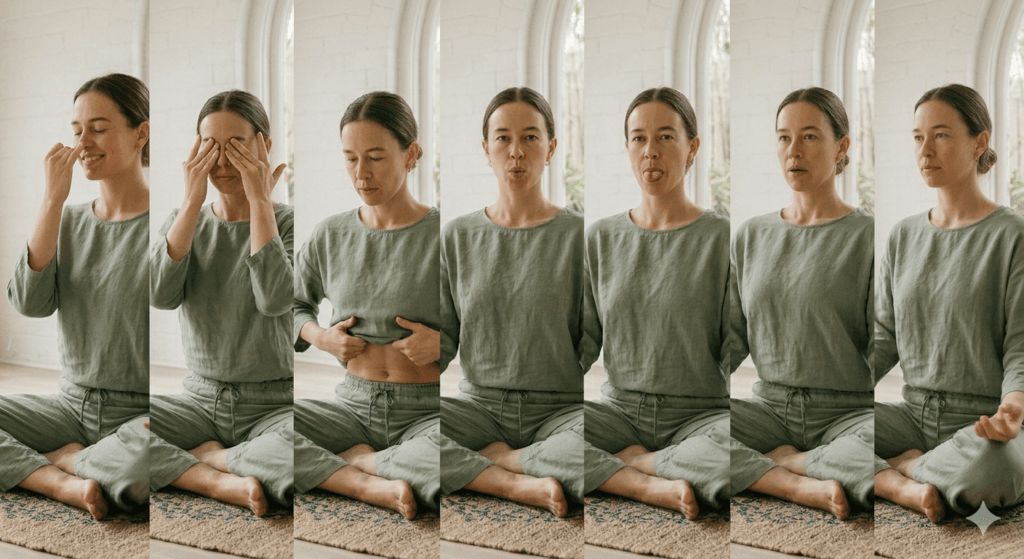
Nadi Shodhana At A Glance
Best For: Anxiety, insomnia, mental clarity, and nervous system balance.
Time Needed: 3–5 Minutes.
Ideal Time: Pre-meditation or before sleep.
How to Practice Nadi Shodhana (Alternate Nostril Breathing):
Set Up: Sit comfortably with a tall, straight spine.
Mudra: Place your right hand in Vishnu Mudra (bend index/middle fingers).
Start: Close your right nostril with your thumb and inhale deeply through the left nostril.
Switch: Close the left nostril with your ring finger. Release the thumb and exhale through the right.
Inhale Right: Keep the left closed. Inhale fully through the right nostril.
Switch & Exhale: Close the right nostril. Release the ring finger and exhale through the left.
Repeat: This completes one full cycle. Continue for 5–10 rounds.
2. Bhramari (Humming Bee Breath)
Featured Snippet Definition: Bhramari, commonly known as Humming Bee Breath, is a powerful sound-based breathing technique for anxiety. It works by using a vocal vibration (humming). It activates the Vagus Nerve, calm the nervous system, and reduce high blood pressure.
Bhramari At A Glance
Best For: Immediate stress, racing thoughts, insomnia, and migraines.
Time Needed: 2–3 Minutes (5–7 Rounds).
Ideal Time: Post-work or before a high-stress event.
How to Practice Bhramari (Humming Bee Breath):
Set Up: Sit with good posture, closing your eyes.
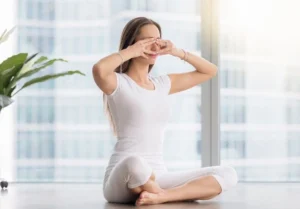
Mudra: Gently close your ears with your thumbs. Use your fingertips to cover your closed eyelids or forehead.
Inhale: Take a full, smooth breath through your nose.
Hum: On the exhalation, close your mouth and make a steady, low-pitched “Mmmm” humming sound until the breath is empty.
Observe: Pause for a second to feel the vibration, then repeat for several cycles.
Research indicates that Bhramari Pranayama has been shown to enhance gamma activity in the brain. It lowers blood pressure and pulse rate, and improves cognitive function. Its cardiovascular effects are potentially linked to parasympathetic activation.
3. Kapalabhati (Skull-Shining Breath)
Featured Snippet Definition: Kapalabhati is an invigorating Sanskrit breathing practice known for its cleansing and energizing properties. It is also described as a “skull-shining breath,”. It involves short, rapid, forceful exhalations, followed by passive, subtle inhalations. It helps clear the lungs and increase oxygen flow to the brain.
Kapalabhati At A Glance
Best For: Fatigue, mental fog, and digestive support.
Time Needed: 1–2 Minutes (3 Rounds of 10–30 breaths).
Ideal Time: First thing in the morning (empty stomach).
Caution: Avoid if pregnant, hypertensive, or managing heart disease.
How to Practice Kapalabhati (Skull-Shining Breath):
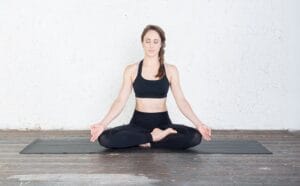
Set Up: Sit upright and relax your face and shoulders. Place your hands on your knees.
Passive Inhale: Take a normal, effortless breath through the nose.
Forceful Exhale: Rapidly contract your abdominal muscles, pushing the air sharply out through your nose (like a sneeze).
Automatic Inhale: Relax your abdomen. The lungs will automatically fill with air. The focus must remain on the exhalation.
Rhythm: Maintain a steady count (1 exhale/second). Do 30 pumps, then pause and relax.
4. Ujjayi (Ocean Breath)
Featured Snippet Definition: Ujjayi is the core yoga breathing technique used in physical yoga (Asana) practice. Known as “Ocean Breath” or “Victorious Breath,” it is a synchronized nasal breath where the glottis is gently constricted. This creates a soft, audible sound that regulates the breath, builds internal heat, and intensifies concentration.
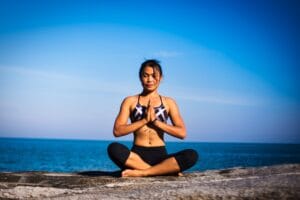
Ujjayi At A Glance
Best For: Focus, moving meditation, and regulating intense exertion.
Time Needed: Continual (integrated with movement).
Ideal Time: During your yoga flow or deep stretching.
How to Practice Ujjayi (Ocean Breath):
Prep: Begin by exhaling through your mouth as if you are trying to fog up a mirror (“Haaa” sound).
Seal: Halfway through that exhale, seal your lips.
The Sound: Keep that slight constriction in your throat and exhale only through your nose. You will hear a soft sound like distant ocean waves.
Inhale: Maintain that subtle constriction as you inhale.
Listen: Use the sound of your own breath as a focal point to quiet the mind.
5. Sitali (Cooling Breath)
Featured Snippet Definition: Sitali is a specific Ayurvedic pranayama practiced to cool the body and calm the mind. Involving inhalation through a rolled tongue (or pursed lips), this technique draws cooled, moistened air directly into the system, reducing inflammation, fevers, and emotional ‘heat’ like anger.
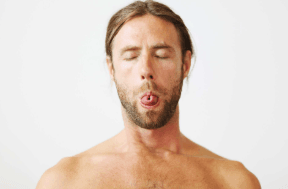
Sitali At A Glance
Best For: Reducing heat (fever/heat waves), hot tempers, and thirst.
Time Needed: 3–5 Minutes.
Ideal Time: A hot afternoon or when feeling angry/agitated.
How to Practice Sitali (Cooling Breath):
The Shape: Stick your tongue out and roll the outer edges up like a tube or straw. (If you cannot roll your tongue, purse your lips tightly.)
Inhale: Draw air slowly and deeply through your rolled tongue/pursed lips. The air will feel significantly cold as it passes over your tongue.
Seal & Swallow: At the top of the inhale, close your mouth and (optional) swallow once.
Exhale: Exhale fully and smoothly through your nose.
6. Bhastrika (Bellows Breath)
Featured Snippet Definition: Bhastrika is a highly stimulating and vigorous Vedic breathing exercise often confused with Kapalabhati. However, Bhastrika is distinct because it requires both inhalations and exhalations to be rapid, forceful, and equal in duration, dramatically increasing blood circulation and energy.
Bhastrika At A Glance
Best For: Severe sluggishness, apathy, and low stamina.
Time Needed: 30–60 Seconds (3 Rounds).
Ideal Time: Before a workout or when you need immediate mental clarity.
Caution: Not for beginners. Avoid if managing anxiety, heart conditions, or pregnancy.
How to Practice Bhastrika (Bellows Breath):
Mudras: (Optional) Keep hands on your knees or use fist pumps by raising arms on inhale and snapping them down on exhale.
Powerful Inhale: Inhale sharply and deeply through your nose using your diaphragm, letting your ribs expand.
Powerful Exhale: Immediately snap the breath out of your nose, using the abdominal muscles, making it equal in intensity to the inhale.
Rhythm: Establish a strong, continuous, and rhythmic bellows action (like a furnace). Practice for 10–15 pumps, then rest.
7. Box Breathing (Sama Vritti)
Featured Snippet Definition: Box Breathing, or Four-Square Breathing, is a highly accessible physiological tool used for rapid stress management. Known by modern performance psychology as a technique to switch off the body’s ‘fight-or-flight’ mechanism, it uses four equal-duration counts for inhaling, holding, exhaling, and holding empty.
Box Breathing At A Glance
Best For: Acute stress, panic attacks, public speaking, and focus.
Time Needed: 4–5 Minutes.
Ideal Time: Before high-pressure situations or to recalibrate after conflict.
How to Practice Box Breathing (Sama Vritti):
Count: Find a slow, steady pulse (e.g., your heartbeat).
Step 1: Inhale slowly and steadily through the nose for a count of 4.
Step 2: Hold your breath in for a count of 4.
Step 3: Exhale smoothly through the mouth (or nose) for a count of 4.
Step 4: Hold your lungs completely empty for a count of 4. This is the ‘box.’
Repeat: Start over with the inhale. Adjust the count to 3, 5, or 6 if needed, but keep the counts equal.
Mastering the Breath:
Even the simplest yoga breathing exercises can be done incorrectly. Avoid these common mistakes to ensure your practice is both safe and effective.
1. The “Tired Arm” Syndrome in Nadi Shodhana
The Pitfall: Many beginners quit Nadi Shodhana early because their right arm becomes heavy or cramped, causing them to hunch over and restrict their airway.
The Pro-Tip: Use your left hand as a “shelf” to support your right elbow. By resting your right elbow in your left palm, you keep your spine straight and your heart rate low. Comfort is the foundation of calm.
2. Forceful Inhalations
The Pitfall: In an effort to “get more oxygen,” beginners often gasp or pull air in sharply. This actually triggers the sympathetic nervous system (the “stress” side).
The Pro-Tip: Imagine you are inhaling the scent of a delicate flower. The breath should be so quiet that someone sitting right next to you wouldn’t hear it. Soft breath equals a soft mind.
3. “Chest Breathing” vs. Belly Breathing
The Pitfall: Most people breathe into their upper chest when stressed. If your shoulders are moving up and down during pranayama, you aren’t engaging the diaphragm.
The Pro-Tip: Place one hand on your belly. As you inhale, feel the belly expand outward like a balloon. This ensures you are stimulating the Vagus Nerve, which is the “off switch” for stress.
4. Rushing the Practice
The Pitfall: Treating pranayama like a task to “check off” your to-do list. Rapidly switching between techniques without a pause can cause slight dizziness.
The Pro-Tip: Always take 30 seconds of “Natural Breath” between different techniques. This allows your CO2 levels to stabilize and lets you observe the subtle shifts in your mental clarity.
5. Posture Collapse
The Pitfall: Slumping forward compresses the lungs, making it impossible to take a full breath.
The Pro-Tip: If you find it hard to sit cross-legged on the floor, sit in a firm chair. Keep your feet flat on the ground and imagine a silver thread pulling the crown of your head toward the ceiling. A “stacked” spine is essential for optimal prana flow.
Explore 10 science-backed mindfulness exercises for busy professionals. Reduce stress, improve focus, and boost productivity in just minutes each day.
How to Build a Daily Pranayama Practice
You do not need a long session to experience the benefits of pranayama. Even 10 minutes each morning can create a profound shift in your energy and mental state. Here is a simple beginner routine:
- Nadi Shodhana — 5 minutes to balance the nervous system
- Bhramari — 2 minutes for deep calm
- Box Breathing — 3 minutes for clarity and focus
Practice in a clean, quiet space. Sit upright — on a chair is perfectly acceptable. Always breathe through the nose unless instructed otherwise. Never force the breath.
Learn Simple morning habits like hydration, stretching, sunlight, and a healthy breakfast, which can boost energy and productivity all day. How to create a complete morning wellness routine
Benefits of Pranayama (Evidence-Based Overview)
Regular practice of pranayama breathing techniques may support:
Physical Health
- Improved respiratory efficiency
- Better oxygen utilization
- Support for cardiovascular function
Mental Health
- Reduced stress and anxiety
- Improved focus and clarity
- Enhanced emotional regulation
Lifestyle Benefits
- Better sleep quality
- Increased energy levels
- Improved resilience to stress
For a deeper understanding of Holistic wellness: integrating breath, nutrition, and movement
How Pranayama Supports Holistic Wellness
Pranayama plays a central role in holistic health systems by connecting:
- Body→ through oxygen and physiology
- Mind→ through nervous system regulation
- Awareness→ through attention and presence
Rather than acting as a standalone solution, it works best when integrated with:
- Movement (yoga or exercise)
- Nutrition
- Sleep hygiene
- Stress management practices
Key Takeaways
- Pranayama is a scientifically supported method of breath regulation with roots in yog
- Just 10 minutes daily can support stress reduction and mental clarity
- Beginners should start with Nadi Shodhana and Box Breathing
- Safety and gradual progression are essential
- It is a low-cost, accessible, and effective wellness tool
Final Thoughts
In a world filled with complex health solutions, the breath remains one of the most powerful tools we have. While pranayama is not a cure-all, consistent and mindful practice can create meaningful improvements in both mental and physical well-being.
The key is not intensity, but consistency and awareness.
Start small. Breathe consciously. And allow the practice to evolve naturally.
Frequently Asked Questions (FAQ)
Is Pranayama safe for everyone? While generally safe, those with cardiovascular issues, respiratory disorders, or pregnancy should consult a doctor before trying intensive techniques like Kapalabhati.
When is the best time to practice yoga breathing? Early morning (on an empty stomach) is ideal for energy, while evening practice is perfect for improving sleep quality.
Can breathing exercises help with panic attacks? Yes. Techniques like Box Breathing and Nadi Shodhana help switch off the sympathetic nervous system, helping to de-escalate the “fight-or-flight” response.
About the Author
Jesuraj is a wellness researcher and founder of a digital health platform. By bridging the gap between ancient botanical wisdom and modern neuroscience, Jesuraj empowers readers to optimize mental clarity through evidence-based wellness strategies and targeted supplementation.
Medical Disclaimer:
This content is for informational purposes and does not replace professional medical advice. Always consult a physician before starting new respiratory exercises.

