
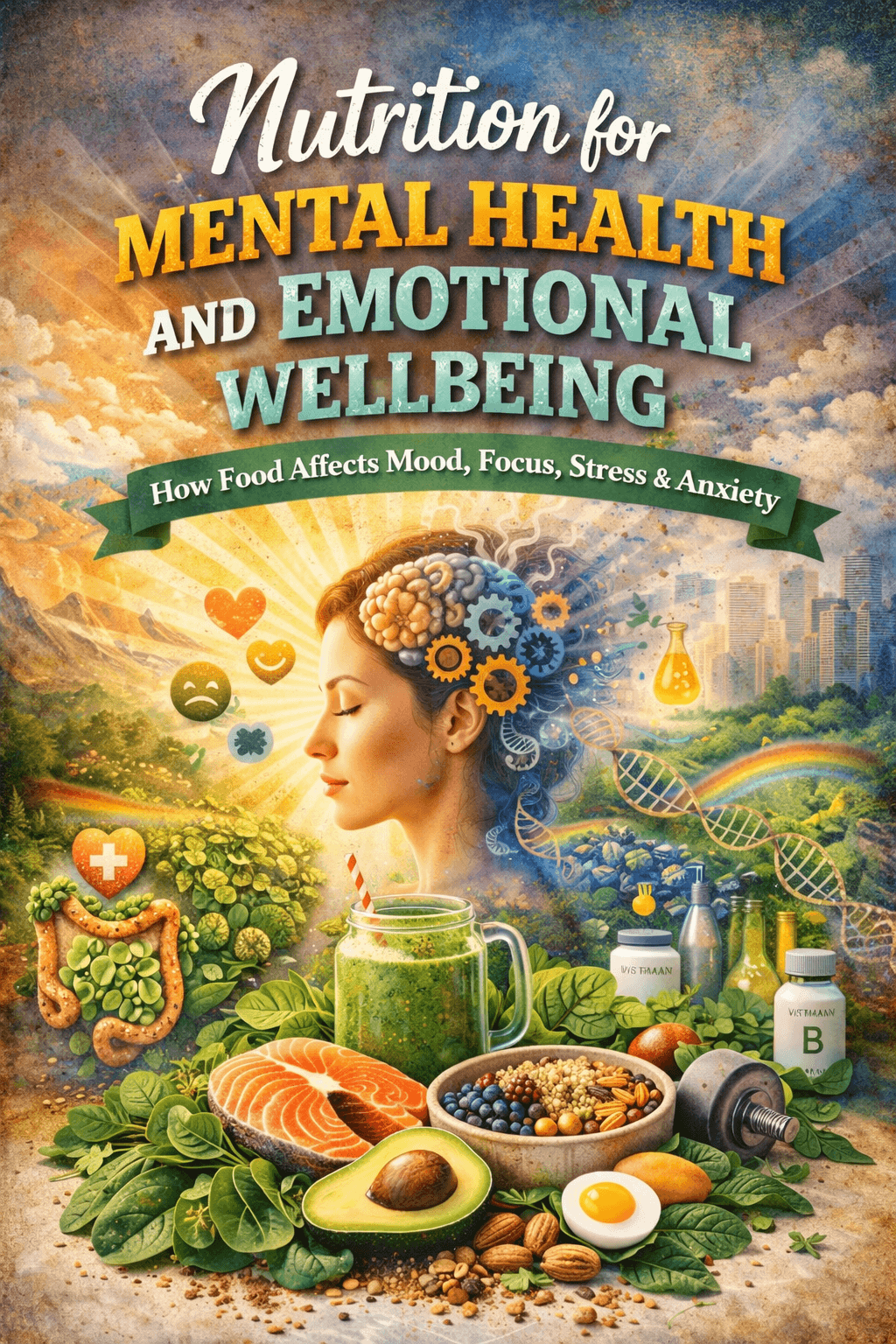
Nutrition for Mental Health: Foods That Boost Mood & Brain
Medical Disclaimer: The information provided in this article is for educational and informational purposes only. This is not intended as medical advice, diagnosis, or treatment. Always seek the advice of your physician or other qualified health provider with any questions you may have regarding a medical condition or dietary changes. Never disregard professional medical advice or delay in seeking it because of something you have read on this website.
Affiliate Disclosure: This post contains affiliate links. If you choose to purchase through these links, I may receive a small commission at no extra cost to you. This helps support the research and content creation for this site.
Quick Summary: Nutrition & Your Mind
The Gut-Brain Connection: Over 90% of your serotonin is produced in the gut; a healthy microbiome is foundational for emotional stability.
Essential Fatty Acids: Omega-3s (specifically EPA and DHA) are “brain fuel” that support neurotransmitter signalling and reduce neuro-inflammation.
Mineral Support: Magnesium acts as a nervous system “brake,” helping to regulate the stress response and improve sleep quality.
Consistency Over “Superfoods”: Steady blood sugar levels through balanced meals are more effective for focus than any single “miracle” ingredient.
Quality Matters: When supplementing, prioritise chelated minerals and triglyceride-form oils for maximum absorption.
Introduction
Nutrition for mental health is very important for how the brain works. It affects how we manage our emotions and how well we handle stress. Mental health is not only shaped by thoughts, experiences, or genetics. It is also greatly influenced by what you eat every day.
The brain requires a constant supply of nutrients to produce neurotransmitters like serotonin and dopamine, maintain steady energy levels, and protect against inflammation. When nutrition is poor or inconsistent, mental clarity, mood stability, and emotional balance often suffer.
This guide explores how nutrition affects mental health, the most important nutrients for emotional well-being, and how to build a daily diet that supports a calm, focused, and resilient mind.
Why Nutrition Matters for Mental Health
Your brain consumes more energy than any other organ in the body. Every thought, emotion, and decision relies on a complex interaction of nutrients, hormones, and neurotransmitters.
A diet rich in whole foods supports:
- Stable mood and emotional balance
- Improved concentration and memory
- Better stress management
- Reduced anxiety and mental fatigue
On the other hand, diets high in processed foods, refined sugar, and unhealthy fats are associated with:
- Mood swings and irritability
- Brain fog and low motivation
- Increased stress and anxiety
- Inflammation that negatively impacts brain function
Understanding the link between nutrition and mental health empowers you to make food choices that support long-term psychological well-being.
How Nutrition Supports Brain and Neurological Function
Stable Energy, Hormones, and Neurotransmitters
The brain relies on glucose, healthy fats, amino acids, vitamins, and minerals to function efficiently. When meals are skipped or unbalanced, blood sugar levels fluctuate—leading to fatigue, anxiety, and difficulty concentrating.
Proper nutrition helps:
- Regulate stress hormones like cortisol
- Support neurotransmitter production
- Maintain steady mental energy throughout the day
Why Consistent Eating Patterns Matter More Than “Superfoods”
There is no single miracle food for mental health. What matters most is dietary consistency.
A pattern of regular meals built around whole grains, lean proteins, healthy fats, and vegetables nourishes the nervous system far more effectively than relying on isolated “superfoods.”
Key Nutrients for Mental and Emotional Well-Being
Omega-3 Fatty Acids for Emotional Stability
Omega-3 fatty acids are essential for brain structure, neuron communication, and emotional regulation. Research consistently links omega-3 intake to improved mood and reduced depressive symptoms.
Best food sources:
- Fatty fish (salmon, sardines, mackerel)
- Flaxseeds and chia seeds
- Walnuts
High-quality omega-3 supplements can be a practical option for those who don’t eat fish regularly.
Omega-3 Fatty Acids
For individuals who don’t consume fatty fish regularly, a high-quality omega-3 supplement can help bridge the gap. When choosing an omega-3 supplement, look for third-party testing, adequate EPA and DHA levels, and minimal oxidation.
Well-reviewed options include:
- Nordic Naturals Ultimate Omega
- Minami MorEPA Platinum
- WHC UnoCardio 1000
These products are commonly selected for their purity standards and transparent labeling rather than marketing claims.
Best Omega-3 Supplements for Mental Health Support
| Product | EPA + DHA per Serving | Third-Party Tested | Best For |
Nordic Naturals Ultimate Omega
| ~1280 mg | Yes | Mood & brain support |
| ~1100 mg | Yes | High-strength omega-3 |
| WHC UnoCardio 1000 | ~1000 mg | Yes | Cardiovascular + brain health |


Nordic Naturals Ultimate Omega Review
Is It Worth It for Mental Health, Mood, and Brain Function?
Omega-3 fatty acids are among the most researched nutrients for brain health, mood regulation, and emotional well-being. Nordic Naturals Ultimate Omega is one of the most widely recommended fish oil supplements—but does it actually live up to the hype?
This in-depth review examines ingredient quality, scientific evidence, safety, and who this supplement is best for.
What Is Nordic Naturals Ultimate Omega?
Nordic Naturals Ultimate Omega is a high-potency omega-3 fish oil supplement designed to support brain function, emotional balance, cardiovascular health, and inflammation control.
It delivers a concentrated dose of the two most important omega-3 fatty acids:
- EPA (eicosapentaenoic acid)
- DHA (docosahexaenoic acid)
Both are essential for optimal brain structure and neurotransmitter signaling.
Ingredient Quality & Formulation
Each serving typically provides:
- ~650 mg EPA
- ~450 mg DHA
Why this matters:
Research suggests higher EPA content may be especially beneficial for mood regulation and depressive symptoms, while DHA supports memory, learning, and overall brain structure.
Quality highlights:
- Molecularly distilled fish oil
- Third-party tested for purity
- Free from heavy metals and toxins
- Triglyceride form (better absorption than ethyl esters)
Scientific Evidence for Mental Health
Omega-3s have been studied extensively for:
- Mood stability
- Stress response
- Cognitive performance
- Inflammation reduction
EPA-dominant formulations, like this one, are frequently used in mental health nutrition research.
While supplements are not treatments, omega-3 intake is often associated with supporting emotional resilience when combined with a healthy diet and lifestyle.
Pros & Cons: Nordic Naturals Ultimate Omega
| Pros | Cons |
| Uses the triglyceride form for superior bioavailability and absorption. | Higher price point compared to entry-level ethyl ester fish oils. |
| Rigorous third-party testing ensures purity from heavy metals (lead/mercury). | Large softgel size may be difficult for those with swallowing sensitivities. |
| Includes d-alpha tocopherol (Vitamin E) to prevent oil oxidation. | Not suitable for vegans or those with severe seafood allergies. |
Who This Supplement Is Best For
Nordic Naturals Ultimate Omega may be a good fit if you:
- Don’t eat fatty fish regularly
- Want additional mood and brain support
- Value third-party testing and quality assurance
Safety & Dosage Notes
- Typically taken with meals
- Individuals on blood-thinning medication should consult a healthcare provider
- Not intended to replace medical treatment
Final Verdict
Nordic Naturals Ultimate Omega is a premium omega-3 supplement backed by quality, transparency, and scientific relevance.
It’s particularly well-suited for individuals focused on mental clarity, emotional balance, and long-term brain health.
B Vitamins for Focus, Motivation, and Brain Energy
B-complex vitamins—especially B6, B9 (folate), and B12—are essential for producing serotonin and dopamine, the neurotransmitters responsible for happiness, motivation, and focus.
Low B-vitamin levels are associated with:
- Brain fog
- Fatigue
- Low mood
Best food sources:
- Whole grains
- Leafy green vegetables
- Eggs
- Legumes
Magnesium and Its Role in Relaxation
Magnesium is often called the “calming mineral” because of its role in regulating the nervous system and stress response.
Low magnesium levels are linked to:
- Anxiety
- Irritability
- Poor sleep quality
Best food sources:
- Nuts and seeds
- Spinach and leafy greens
- Dark chocolate
Magnesium for Stress and Sleep (Affiliate Integration Example)
Dietary magnesium intake can be inconsistent, especially during periods of stress. In such cases, magnesium glycinate is often preferred due to its absorption and gentle effect on digestion.
Popular magnesium supplements include:
- Doctor’s Best High Absorption Magnesium
- Pure Encapsulations Magnesium Glycinate
- Thorne Magnesium Bisglycinate Powder
Always start with lower doses and consult a healthcare professional if you are on medication.
Best Magnesium Supplements for Stress & Anxiety
| Product | Form | Absorption | Ideal Use |
| Glycinate | High | Daily stress support |
| Glycinate | High | Sensitive digestion |
| Bisglycinate | High | Evening relaxation |

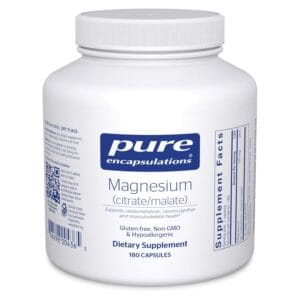

Doctor’s Best High Absorption Magnesium Review
Does It Really Help with Stress and Anxiety?
Magnesium deficiency is surprisingly common—and strongly linked to stress, anxiety, and poor sleep. Doctor’s Best High Absorption Magnesium is often recommended due to its magnesium glycinate/lysinate chelate form.
Let’s break down how it performs.
What Makes This Magnesium Different?
This supplement uses chelated magnesium, meaning magnesium is bound to amino acids for improved absorption and gentler digestion.
Why it matters:
Poorly absorbed magnesium forms can cause digestive discomfort and limit effectiveness.
Benefits for Mental Health Support
Magnesium plays a role in:
- Regulating the stress response
- Supporting GABA (a calming neurotransmitter)
- Muscle relaxation
- Sleep quality
Many users turn to magnesium supplementation during periods of chronic stress or mental fatigue.
Ingredient Breakdown
- Magnesium glycinate/lysinate chelate
- No artificial colors or preservatives
- Vegan-friendly capsules
This formulation avoids magnesium oxide, which is poorly absorbed.
Pros & Cons: Doctor’s Best High Absorption Magnesium
| Pros | Cons |
| Chelated form (Glycinate/Lysinate) minimises the laxative effect common in other forms. | Tablets are relatively large; may require multiple doses to reach high therapeutic levels. |
| Highly cost-effective for a “buffered” mineral supplement. | Some users may find the “lysinate” component unnecessary if they only want pure glycinate. |
| Excellent stability and shelf-life due to the chelation process. | Does not provide the “instant” calm associated with topical or liquid versions. |
Who Should Consider It?
This supplement may be helpful if you:
- Experience stress or nervous tension
- Have trouble sleeping
- Consume low-magnesium diets
Safety Notes
- Start with lower doses
- Consult a healthcare provider if taking medications
- Avoid excessive dosing
Final Verdict
Doctor’s Best High Absorption Magnesium is a reliable, well-formulated option for stress and nervous system support.
It’s a solid choice for daily mental wellness routines.
Vitamin D and Mood Regulation
Vitamin D plays a critical role in brain signaling and emotional regulation. Deficiency is commonly associated with low mood and depressive symptoms.
Best sources:
- Sunlight exposure
- Fatty fish
- Fortified dairy or plant milks
- Mushrooms
The Gut–Brain Connection and Mental Health
How Gut Health Influences Mood and Anxiety
The gut and brain communicate constantly through the gut–brain axis. In fact, a large portion of serotonin is produced in the gut.
An unhealthy gut microbiome can contribute to:
- Anxiety and stress
- Inflammation
- Mood instability
A diverse, balanced gut microbiome supports emotional resilience and cognitive clarity.
Best Foods for a Healthy Gut and Mind
- Yogurt and kefir
- Oats
- Bananas
- Fermented foods
Probiotics & Gut–Brain Support (Affiliate Integration Example)
While fermented foods support gut health, some individuals benefit from clinically studied probiotic strains, especially during digestive imbalance or stress.
Commonly recommended options include:
- Seed DS-01 Daily Synbiotic
- Garden of Life Mood+ Probiotics
- Optibac Probiotics for Stress & Anxiety
Best Probiotics for the Gut–Brain Axis
| Product | Strains | Delivery System | Best For |
| 24 strains | Capsule-in-capsule | Full gut-brain support |
| 16 strains | Delayed release | Mood & stress balance |
| 1 targeted strain | Targeted | Anxiety support |
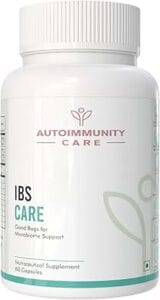
Seed DS-01 Daily Synbiotic Review
A Probiotic for the Gut–Brain Axis?
Gut health plays a critical role in mental health through the gut–brain axis. Seed DS-01 Daily Synbiotic is positioned as a premium probiotic designed to support digestion, immune health, and mood balance.
But does it justify the cost?
What Is Seed DS-01?
Seed DS-01 is a 24-strain probiotic and prebiotic blend using a capsule-in-capsule delivery system to protect bacteria through digestion.
This design aims to improve survival and effectiveness.
Gut–Brain Benefits Explained
A healthy gut microbiome supports:
- Neurotransmitter production
- Reduced inflammation
- Stress resilience
While probiotics aren’t mood treatments, gut balance is increasingly recognized as foundational to emotional well-being.
Ingredient Quality & Delivery
- 24 clinically studied strains
- Prebiotic included
- Delayed-release capsule system
- Shelf-stable (no refrigeration required)
Pros & Cons : Seed DS-01 Daily Synbiotic
| Pros | Cons |
| ViaCap® technology protects live strains from stomach acid and bile. | Requires a subscription model, which may not suit all budgets. |
| Includes 24 diverse, clinically-studied strains for systemic health. | The inclusion of a prebiotic can cause temporary bloating during the first 3–5 days. |
| Sustainably packaged with refillable glass vials and compostable materials. | Overkill for individuals who already maintain a high-fiber, fermented-food diet. |
Who Is It Best For?
Seed DS-01 may be ideal for:
- Digestive sensitivity
- Stress-related gut issues
- Long-term gut health optimization
Safety Considerations
- Temporary bloating may occur initially
- Not suitable for immunocompromised individuals without medical guidance
Final Verdict
Seed DS-01 is a premium synbiotic designed for individuals serious about gut and mental wellness.
It stands out for formulation quality and research alignment.
Can Sugar and Processed Foods Affect Your Mood?
Yes—significantly.
High sugar intake causes rapid blood sugar spikes followed by crashes, leading to:
- Irritability
- Fatigue
- Difficulty focusing
Highly processed foods also increase inflammation, which negatively affects brain function.
Healthier alternatives include:
- Fruit instead of refined sugar
- Nuts and seeds for sustained energy
- Whole grains instead of refined carbohydrates
Mood-Boosting Foods to Include Daily
Certain foods consistently support mental clarity and emotional balance:
Avocados: Support brain cell health
Berries: Protect against oxidative stress
Green tea: Promotes calm focus
Eggs: Rich in choline for neurotransmitter signaling
Turmeric: Helps reduce brain inflammation
Including these foods regularly strengthens emotional resilience over time.
What a Daily Diet for Mental Health Looks Like
A mentally supportive diet includes:
- Regular meal timing
- Balanced macronutrients (protein, fats, carbohydrates)
- Hydration throughout the day
- Probiotic and fiber-rich foods
Consistency is more important than perfection. Even small improvements in daily eating habits can lead to noticeable mental health benefits.
Lifestyle Habits That Enhance Mental Health Nutrition
Nutrition works best when paired with supportive lifestyle habits:
- Regular physical activity
- Quality sleep
- Stress management
- Mindful eating
- Moderate caffeine intake
These habits amplify the positive effects of a nutrient-rich diet.
Conclusion: Nutrition as a Foundation for Mental Resilience
Nutrition for mental health is not about restriction or perfection—it’s about providing your brain with what it needs to function optimally.
From omega-3 fatty acids and magnesium to gut health and blood sugar balance, the foods you eat play a powerful role in mood, focus, and emotional stability. Establishing consistent, nutrient-rich eating patterns builds long-term mental resilience and cognitive strength.
For a complete mind–body approach, explore our pillar guide on Nutrition for Health and Wellness, where mental and physical health strategies work together.
This article is for educational purposes only and does not replace professional medical advice.
About the Author: Jesuraj is a wellness researcher and health optimization specialist focused on the intersection of modern neuroscience and traditional herbalism. Dedicated to evidence-based wellness, Jesuraj spends hundreds of hours auditing clinical trials and third-party lab reports to provide readers with objective, fluff-free analysis. By bridging the gap between ancient botanical wisdom and contemporary brain science, Jesuraj empowers individuals to optimize their mental clarity and vitality through the strategic use of adaptogens and targeted supplementation.

