
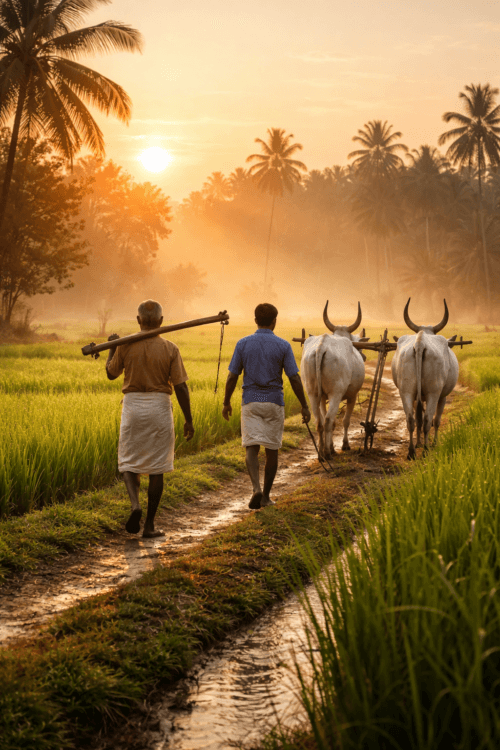
Health Without a Gym, Supplements, or Trends
Introduction: Health Lessons from Farming Communities.
For decades, I closely watched farming communities—farmers, artisans, and rural families whose daily lives were tied to nature.
They did not use fitness trackers.
They did not count calories.
They did not follow “biohacking” trends.
Yet many maintained:
Strong physical stamina
Natural sleep cycles
Resilient immune systems
Emotional stability
Community support systems
This article shares 30 structured lessons modern society can learn from rural living. — Responsibly interpreted through today’s scientific understanding.
Traditional practices are not presented as replacements for modern medicine. Instead, they offer insight into sustainable lifestyle patterns that align with preventive health research
I. Circadian Rhythm & Early Rising
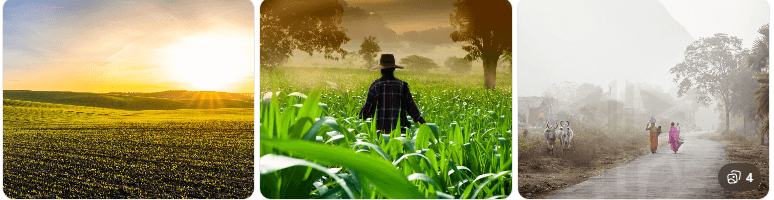
1. Waking Before Sunrise
Farmers rose naturally with daylight.
Modern chronobiology confirms that circadian rhythm alignment influences:
- Metabolic efficiency
- Hormonal balance
- Sleep quality
- Insulin sensitivity
Research published in journals such as Nature Reviews Endocrinology shows that circadian misalignment increases metabolic risk.
Early rising supports synchronisation between light exposure and hormone release cycles, particularly cortisol and melatonin.
2. Morning Light Exposure
Morning sunlight exposure stimulates retinal cells that regulate melatonin suppression and cortisol activation.
Studies in sleep medicine demonstrate that early light exposure:
- Improves alertness
- Enhances mood
- Regulates sleep onset timing
Farming communities received natural morning light daily, without artificial lighting interference.
3. Structured Morning Duties
Morning chores created:
- Purpose-driven movement
- Cognitive activation
- Emotional grounding
Psychological research suggests that purposeful activity reduces rumination and improves mental stability.
II. Natural Movement as Daily Fitness
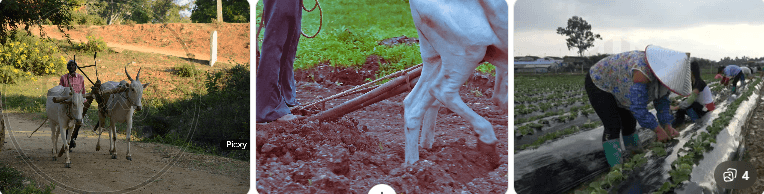
Walking to the Fields
Daily walking replaced structured exercise routines.
The World Health Organisation recommends at least 150 minutes of moderate-intensity activity weekly.
Farming lifestyles often exceeded this through daily labour.
Moderate Physical Labour
Ploughing, planting, lifting, and carrying resemble what exercise science calls “Zone 2 cardio”—moderate aerobic activity that:
- Improves mitochondrial function
- Enhances cardiovascular endurance
- Supports fat metabolism
Unlike short bursts of extreme workouts, rural activity was steady and sustainable.
Functional Strength
Manual labour builds:
- Core stability
- Joint mobility
- Grip strength
- Balance
Modern research links grip strength to longevity markers.
Minimal Sedentary Behaviour
Prolonged sitting increases the risk of metabolic syndrome.
Large-scale epidemiological studies confirm that sedentary behaviour correlates with:
- Type 2 diabetes
- Cardiovascular disease
- Obesity
Long stretches of inactivity were minimised by farming life.
III. Traditional Nutrition & Fermented Foods

Fermented Previous-Day Rice
Fermented rice contains:
- Lactic acid bacteria
- Resistant starch
- B vitamins
Gut microbiome research demonstrates that fermented foods support microbial diversity and digestive resilience.
Microbiome diversity is associated with stronger immune regulation.
Seasonal Eating
Seasonal foods align with agricultural cycles.
Research in nutritional epidemiology suggests plant diversity improves micronutrient intake and antioxidant exposure.
Minimal Processing
Rural diets lacked:
- Refined sugars
- Ultra-processed snacks
- Industrial trans fats
Studies consistently link ultra-processed foods with increased inflammatory markers and chronic disease risk.
Natural Hydration
Water—not sugary beverages—was the primary fluid intake.
Excess sugar-sweetened beverages are associated with increased metabolic risk in multiple cohort studies.
IV. Natural Recovery & Cooling
Midday Bathing in Ponds
Cooling the body after labour may regulate thermal stress.
Cold water exposure research suggests potential benefits for:
- Circulation
- Nervous system regulation
- Stress response
Rest Periods
Afternoon rest allowed recovery after physical exertion.
Performance physiology supports structured rest cycles for hormonal balance and energy restoration.
V. Physical Resilience & Community Support
Physically Active Women
Daily physical activity likely supported muscular endurance and cardiovascular health.
Responsible Note:
Modern maternal healthcare significantly improves safety outcomes. Traditional resilience does not replace medical supervision.
Community-Based Care
Social support systems enhance emotional well-being.
Psychological research consistently shows that strong social networks reduce stress-related mortality risk.
Community cohesion is a protective factor.
VI. Herbal Literacy

Traditional communities used locally available herbs.
Modern phytochemistry studies plant compounds for bioactive properties.
Examples include:
- Turmeric (curcumin)—studied for anti-inflammatory effects
- Tulsi (Ocimum sanctum)—investigated for stress-modulating properties
- Ginger – studied for digestive support
- Neem—researched for antimicrobial activity
Herbs were supportive tools—not miracle cures.
Responsible usage and medical consultation remain essential.
VII. Community Joy & Sleep Hygiene

Social Evenings
Laughter and storytelling reduce cortisol levels.
Positive social interaction improves oxytocin balance and emotional resilience.
Early Dinner
Chrononutrition research indicates that late-night eating disrupts metabolic regulation.
Earlier meals support digestive efficiency.
Deep Sleep
No digital overstimulation.
No artificial light exposure late at night.
Sleep science confirms:
- Blue light delays melatonin release
- Consistent sleep timing improves recovery
- Deep sleep supports immune regulation
Rural sleep patterns aligned naturally with sunset cycles.
VIII. Psychological Lessons
Purpose-Driven Work
Meaningful labor reduces psychological distress.
Goyal M. et al. (2014) conducted research on programs for meditation to reduce psychological stress. In occupational health, JAMA Internal Medicine demonstrates that a sense of purpose is associated with a lower prevalence of depression.
Nature Exposure
Environmental psychology research shows that nature exposure:
- Reduces cortisol
- Improves mood
- Enhances cognitive clarity
Community Belonging
Loneliness increases mortality risk comparable to smoking.
Strong social bonds improve long-term resilience.
IX. Environmental Health
Clean Air
Reduced air pollution lowers respiratory and cardiovascular risk.
Sunlight Exposure
Moderate sunlight exposure supports vitamin D synthesis.
Vitamin D deficiency is associated with immune dysfunction.
Ground Contact
Grounding research remains emerging but suggests possible anti-inflammatory effects through electrical charge exchange.
More clinical studies are needed
X. Integrated Living
Work-Life Integration
Fitness was not separate from life.
Modern wellness often compartmentalises health.
Rural life integrated:
- Movement
- Nutrition
- Social bonding
- Rest
- Purpose
Rhythm Over Rush
Life followed:
- Seasonal cycles
- Sunrise and sunset
- Agricultural patterns
Chronobiology confirms that rhythm consistency benefits metabolic regulation.
What Modern Society Can Responsibly Apply
We cannot replicate rural life fully.
But we can adopt:
Early waking
Daily walking
Fermented foods
Seasonal eating
Community bonding
Digital detox
Structured rest
Respect for natural rhythms
How This Inspired the 5 Pillars of BenVitalFive
My decades of observation led to a structured model:
Healthy Living
Yoga & Fitness
Mindful Meditation
Intellectual Growth
Natural Remedies
Traditional resilience + Modern science = Sustainable wellness.
Final Reflection
Health in farming communities was not a separate activity.
It was embedded in the daily rhythm.
Modern life is more convenient—but often disconnected from natural cycles.
By blending traditional lifestyle structure with modern medical understanding, we can create a balanced future.
Health was not separate from life—it was embedded in daily rhythm.
Author
Jesuraj is the founder of BenVitalFive and a graduate of the University of Mysore (1989). With over three decades of academic study and field-based observation among farming communities, he promotes holistic wellness through sustainable lifestyle practices rooted in traditional wisdom and modern preventive health principles.
References
- Panda, S. (2016). Circadian physiology of metabolism. Nature Reviews Endocrinology.
- World Health Organization. Physical activity guidelines for adults.
- Wilmot EG et al. (2012). Sedentary time and metabolic health. Diabetologia.
- Wastyk HC et al. (2021). Gut-microbiota-targeted diets. Cell.
- Goyal M et al. (2014). Meditation programs for psychological stress. JAMAInternal Medicine.
