
Introduction
Exercise is more than just a way to stay in shape—it’s a powerful tool for improving overall health, boosting your mood, and enhancing your quality of life. But why exactly does moving your body make such a difference? The answer lies in science.
In this blog, we’ll explore how exercise affects the body and mind, why it’s crucial for beginners, and how even small amounts of activity can have big health benefits.
Why Exercise Is Important for Your Health
Scientific research shows that regular physical activity:
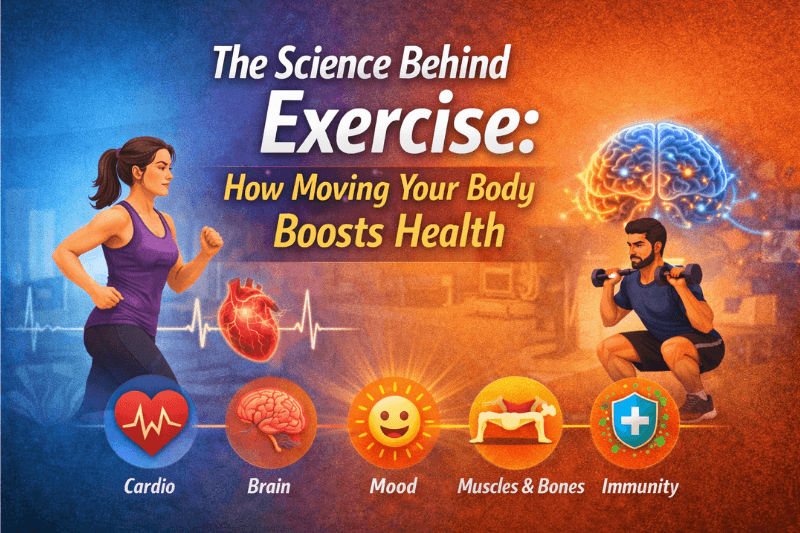
- Improves Cardiovascular Health: Exercise strengthens the heart, lowers blood pressure, and reduces the risk of heart disease.
- Boosts Brain Function: Movement increases blood flow to the brain, improving memory, focus, and cognitive abilities.
- Enhances Mood: Physical activity triggers the release of endorphins, reducing stress, anxiety, and depression.
- Supports Weight Management: Exercise burns calories and improves metabolism, helping maintain a healthy weight.
- Strengthens Muscles and Bones: Regular activity increases muscle mass, bone density, and flexibility.
- Boosts Immunity: Moderate exercise can enhance your immune system and reduce the risk of chronic illnesses.
Even small, consistent movements contribute to these benefits, making it ideal for beginners.
How Exercise Affects the Body: The Science Explained
Understanding the biological impact of exercise can motivate you to stay consistent:
1. Cardiovascular System
When you exercise, your heart rate increases, pumping more blood and oxygen to your muscles. Over time, this strengthens the heart, improves circulation, and reduces the risk of heart-related illnesses.
2. Muscles and Bones
Physical activity, especially strength training or weight-bearing exercises, signals the body to build stronger muscles and denser bones, reducing the risk of osteoporosis and injuries.
3. Brain and Mental Health
Exercise increases brain-derived neurotrophic factor (BDNF), a protein that supports neuron growth and improves memory. Endorphins released during exercise also enhance mood and reduce stress levels.
4. Metabolism and Energy
Regular movement boosts metabolic rate and insulin sensitivity, helping regulate blood sugar levels and maintain energy throughout the day.
5. Immune System
Moderate exercise increases circulation of immune cells, helping your body fight infections and recover faster.
Beginner-Friendly Ways to Move Your Body
You don’t need to hit the gym to experience these benefits. Beginners can start with simple, consistent activities:
- Walking or Jogging: Easy on the joints and effective for cardiovascular health.
- Bodyweight Exercises: Squats, lunges, push-ups, and planks build strength at home.
- Yoga or Stretching: Improves flexibility, reduces stress, and supports mental health.
- Cycling: Low-impact activity that strengthens leg muscles and improves stamina.
- Dance or Fun Workouts: Makes movement enjoyable while burning calories.
Consistency is more important than intensity—start slow and gradually increase activity levels.
Tips to Make Exercise a Habit
Even if you understand the science, sticking to a routine can be challenging. Here are some beginner-friendly tips:
- Set Realistic Goals: Start with short sessions and gradually increase time and intensity.
- Schedule Workouts: Treat exercise like any other important appointment.
- Mix Activities: Keep things interesting by rotating cardio, strength, and flexibility exercises.
- Track Progress: Record your workouts and celebrate small milestones.
- Listen to Your Body: Rest when needed to prevent injury and maintain motivation.
Conclusion
The science behind exercise shows that moving your body benefits both physical and mental health. From strengthening the heart and bones to boosting mood and brain function, exercise is a natural, effective way to improve your quality of life.
For beginners, the key is to start small, stay consistent, and choose activities you enjoy. Remember, every step, stretch, or movement counts toward better health. Your body and mind will thank you for it!
FAQs
- How much exercise do beginners need each week?
Aim for at least 150 minutes of moderate activity per week, split into manageable sessions.
- Can short workouts really improve health?
Yes, even 10–20 minutes of consistent movement daily provides noticeable health benefits.
- Is exercise safe if I have a health condition?
Most conditions benefit from exercise, but check with a doctor before starting a new routine.
- How soon will I see benefits from exercising?
Many benefits like improved mood can appear in days, while fitness gains take weeks.
- Do I need a gym to improve my health through exercise?
No, walking, stretching, bodyweight exercises, or cycling at home can be highly effective.

