
Introduction
In today’s fast-paced world, chronic stress and poor sleep can weaken our immune system. Ultra-processed foods and pollution can also strain it. Many people think about immunity only during cold and flu season. But nutrition for strong immunity is built or weakened every single day through daily habits.
In my work with people trying to “boost immunity,” the most common misconception is this. It requires expensive supplements or miracle superfoods. The truth is far less glamorous—but far more effective:
Nutrition for strong immunity is built through consistent, balanced food choices and intentional lifestyle habits.
This guide breaks down what actually works. Grounded in science, not hype—so you can support your immune system naturally and sustainably.
For a deeper understanding of how daily food choices impact long-term health outcomes, explore our complete guide on [Nutrition for Health and Wellness].
Understanding Immunity: Why Nutrition for Strong Immunity Matters
Your immune system is a coordinated network of white blood cells, antibodies, tissues, and signaling molecules. It defends your body against viruses, bacteria, and other pathogens.
According to the Harvard T.H. Chan School of Public Health, immune function depends heavily on nutritional status. Chronic nutrient deficiencies, gut imbalances, and persistent inflammation can weaken immune responses and slow recovery.
A Practical Way to Think About Immune Nutrition
- Vitamins & minerals = fuel for immune cells
- Protein = building blocks for antibodies
- Antioxidants = protection from cellular damage
- Gut bacteria are immune system regulators
When these systems are consistently supported, the body becomes more resilient—not invincible, but far better prepared.
If you’re new to immune health, start with our beginner-friendly breakdown of [how the immune system works naturally].
Nutrition Sources: Plant-Based vs. Animal-Based (What Actually Absorbs Better?)
| Nutrient | Animal-Based (Heme / Retinol) | Plant-Based (Non-Heme / Carotenoids) | Bioavailability Insight |
| Vitamin A | Liver, egg yolks, whole milk (active retinol) | Carrots, sweet potatoes (beta-carotene) | Beta-carotene conversion to retinol can be as low as 12:1 |
| Vitamin D | Fatty fish, egg yolks, beef liver (D3) | UV-exposed mushrooms, fortified milk (D2) | D3 is more effective at raising blood vitamin D levels |
| Iron | Red meat, poultry, seafood (heme iron) | Spinach, lentils, pumpkin seeds | Heme iron absorbs at 15–35%; non-heme at 2–20% |
| Zinc | Oysters, beef, shellfish, dairy | Chickpeas, whole grains, seeds | Phytates in plants reduce zinc absorption |
| Omega-3s | Salmon, sardines (EPA/DHA) | Flax, chia, walnuts (ALA) | ALA converts poorly to EPA/DHA; algal oil is best plant option |
Key Insight:
Plant-based diets can absolutely support nutrition for strong immunity, but they require strategic food pairing and preparation (soaking, sprouting, and fermenting) to maximise nutrient absorption.
Readers following vegetarian diets may benefit from our guide on optimising nutrient absorption on a plant-based diet..
Essential Vitamins for Immune Health
1. Vitamin C – Immune Defence Support
Vitamin C supports white blood cell function and acts as a powerful antioxidant. The Cochrane Collaboration found that regular vitamin C intake may slightly reduce the duration of common colds.
Top Food Sources
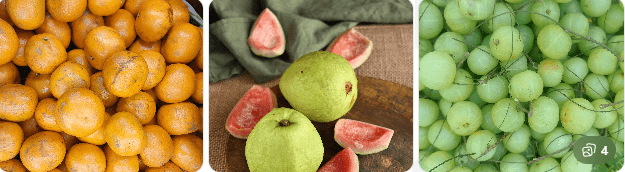
- Guava (exceptionally high)
- Amla (Indian gooseberry)
- Oranges
- Kiwi
- Red bell peppers
Practical Tip: Instead of supplements, add one vitamin-C-rich food daily. —lemon on salads, guava as a snack, or amla juice in the morning.
2. Vitamin D – The Immune Regulator
Vitamin D activates immune defenses and helps regulate inflammation. The National Institutes of Health reports that many adults have insufficient vitamin D levels.
Sources
- 15–20 minutes of mid-morning sunlight
- Fatty fish
- Fortified dairy
- Egg yolks
- Mushrooms
Actionable Advice: If you work indoors, step outside during lunch breaks. Short, consistent exposure is more effective than occasional long sessions.
3. Vitamin A—Your Physical Defence Barrier
Vitamin A maintains the integrity of the skin, gut, and respiratory lining—your body’s first defense against pathogens.
Sources
- Carrots
- Sweet potatoes
- Spinach
- Pumpkin
- Mango
Always pair vitamin A-rich foods with healthy fats for better absorption.
4. Vitamin E – Cellular Protection
Vitamin E protects immune cells from oxidative stress.
Sources
- Almonds
- Sunflower seeds
- Peanuts
- Avocado
- Spinach
On-site Example: Replacing packaged snacks with roasted seeds and nuts instantly improves antioxidant intake.
Key Minerals That Strengthen Immunity
Zinc – Immune Cell Communication
Zinc supports immune cell development and wound healing. The World Health Organization links zinc deficiency with increased infection risk.
Sources
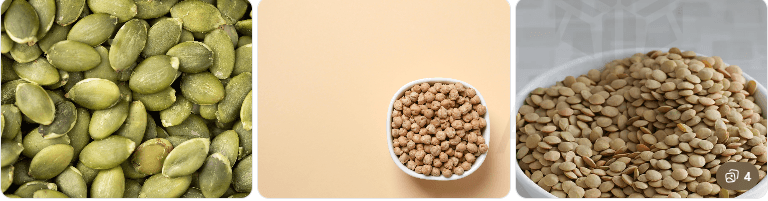
- Pumpkin seeds
- Lentils
- Chickpeas
- Nuts
- Whole grains
Absorption Tip: Soak or sprout legumes to reduce phytates that block zinc absorption.
Iron—Energy & Immune Performance
Iron supports oxygen delivery and immune cell activity.
Sources
- Spinach
- Legumes
- Dates
- Jaggery
- Beetroot
Pro Tip: Always pair plant iron with vitamin C (lemon, amla) to improve absorption.
Selenium—Small but Powerful
Selenium supports antioxidant enzymes and immune signaling.
Sources
- Brazil nuts (1–2 daily is enough)
- Sunflower seeds
- Eggs
- Brown rice
Excess selenium can be harmful—more is not better.
Gut Health: The Overlooked Immunity Pillar
Research from the National Centre for Biotechnology Information shows that nearly 70% of immune cells reside in the gut.
Probiotic Foods
- Yoghurt (curd)
- Buttermilk
- Kefir
- Fermented vegetables
Personal Insight: Many clients with frequent infections improve simply by restoring gut balance. Reducing processed foods and adding fermented options.
Seasonal Eating for Immune Support
Seasonal foods naturally align with physiological needs.

Summer
- Watermelon
- Cucumber
- Coconut water
- Mint
- Citrus fruits
Supports hydration and electrolyte balance.
Monsoon
- Ginger tea
- Turmeric milk
- Garlic
- Steamed vegetables
- Pepper soups
Supports digestion and reduces infection risk.
Winter
- Millets
- Nuts and seeds
- Dates
- Sesame
- Moderate ghee
Supports warmth, stamina, and immune resilience.
Immune-Support Grocery Reference
| Nutrient | Role | Best Sources | Absorption Tip |
| Vitamin C | White blood cell fuel | Guava, amla, kiwi | Eat raw; heat destroys vitamin C |
| Vitamin D | Immune activation | Sunlight, fatty fish | Consume healthy fats |
| Zinc | Immune signaling | Pumpkin seeds, legumes | Soak/sprout plant foods |
| Vitamin A | Skin & gut barrier | Carrots, spinach | Pair with oil or ghee |
| Iron | Energy & oxygen | Spinach, dates | Always add vitamin C |
| Selenium | Antioxidant defense | Brazil nuts | 1–2 nuts meet daily needs |
| Probiotics | Gut-immune axis | Yogurt, kefir | Look for live cultures |
Sample Immune-Supporting Meal Plan
Breakfast
- Oats with fruits and nuts
- Vegetable omelette or paneer bhurji
- Citrus fruit or amla shot
Lunch
- Brown rice or millet
- Dal or legumes
- Spinach curry
- Lemon-dressed salad
- Curd
Dinner
- Vegetable soup
- Whole wheat roti or quinoa
- Garlic-sautéed vegetables
Daily Action Plan
- Eat at least 3 vegetable colours daily
- Include 1 probiotic food
- Add 1 handful of nuts/seeds
- Get 15 minutes of sunlight
- Sleep 7–8 hours
- Drink 2–3 litres of water
- Reduce ultra-processed foods
Consistency beats intensity.
Lifestyle Habits That Multiply Results
Immunity is not built by nutrition alone.
- Regular exercise or yoga
- Stress management (breathing, meditation)
- Quality sleep
- Daily sunlight exposure
The Centers for Disease Control and Prevention confirms that sleep deprivation significantly reduces immune response.
Stress, Cortisol & the Immune Brake
From a neuroscience perspective, chronic stress is one of the most powerful immune disruptors. Persistent stress keeps cortisol elevated. While cortisol is anti-inflammatory short-term, chronic elevation causes immune resistance and dysregulation.
Strategic Adaptogens for Immune-Stress Balance
- Ashwagandha: Research shows cortisol reductions of up to 30%
- Holy Basil (Tulsi): Shown to support Natural Killer (NK) and T-helper cell activity
My Insight: Rotate adaptogens—3 weeks on, 1 week off—to maintain nervous system sensitivity.
For readers interested in the brain–immune connection, we break this down further in [stress, cortisol, and chronic inflammation].
Long-Term Benefits of Supporting Immunity
- Fewer infections
- Faster recovery
- Higher energy
- Better gut health
- Reduced inflammation
- Lower chronic disease risk
All nutritional recommendations in this guide are aligned with internationally recognised public health institutions.
Final Thoughts: Immunity Is Built Daily
There is no magic immunity drink. No single herb can override chronic stress, poor sleep, or a processed diet.
Small, steady upgrades add up over time. Add greens to lunch. Swap packaged snacks for seeds. Step into sunlight each day. These habits build strong, long-term protection.
Nutrition remains one of the most effective preventive tools we have.
For deeper guidance, explore our pillar guide on Nutrition for Health and Wellness (internal link).
Our [7-day immune-support meal framework], which is made for hectic schedules, might also be helpful if you’re searching for organized advice.
About the Author
Jesuraj is a wellness researcher and health optimisation specialist focused on the intersection of modern neuroscience and traditional herbalism. With experience auditing clinical trials and third-party lab reports, Jesuraj delivers objective, data-backed insights. These insights cut through superfood marketing. They empower readers to build resilience. Readers do this by optimising nutrition and the neurological pathways that regulate immunity.
Disclaimer :
This article is for educational purposes only and does not replace personalised medical or nutritional advice. Always consult a qualified healthcare professional for individual concerns.
References
Harvard T.H. Chan School of Public Health
National Institutes of Health
World Health Organisation
Centres for Disease Control and Prevention
Cochrane Collaboration

